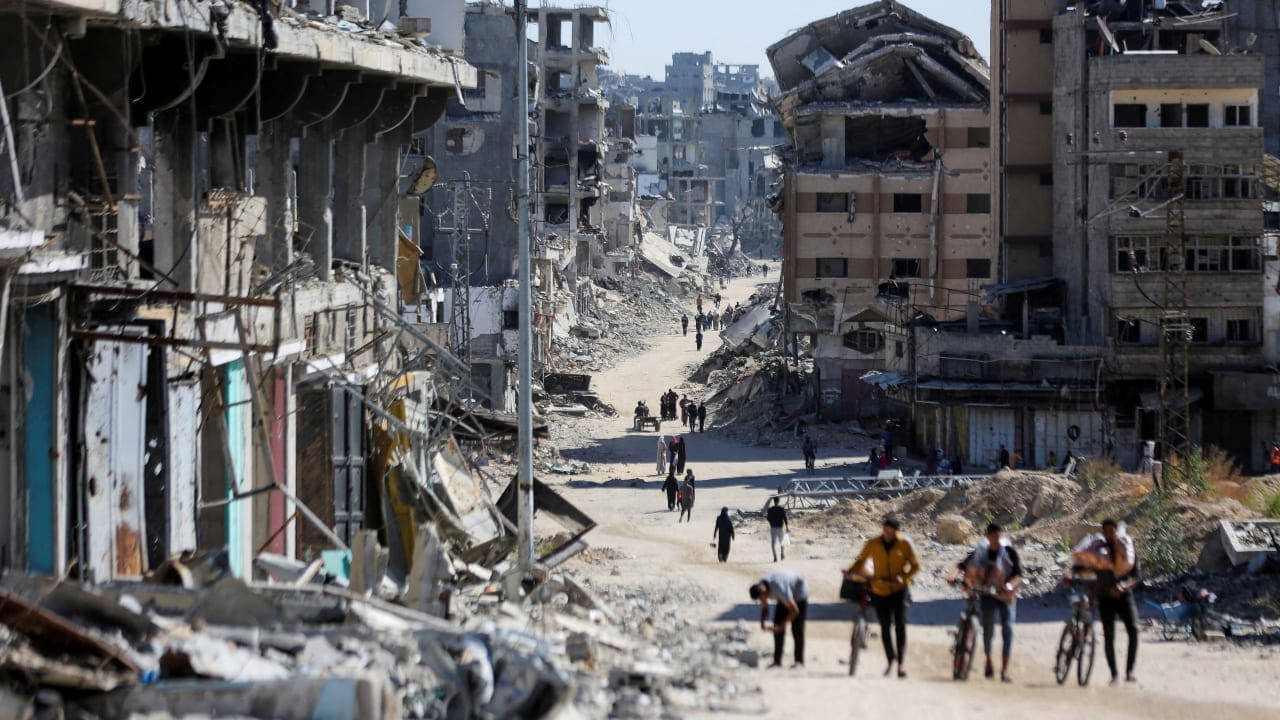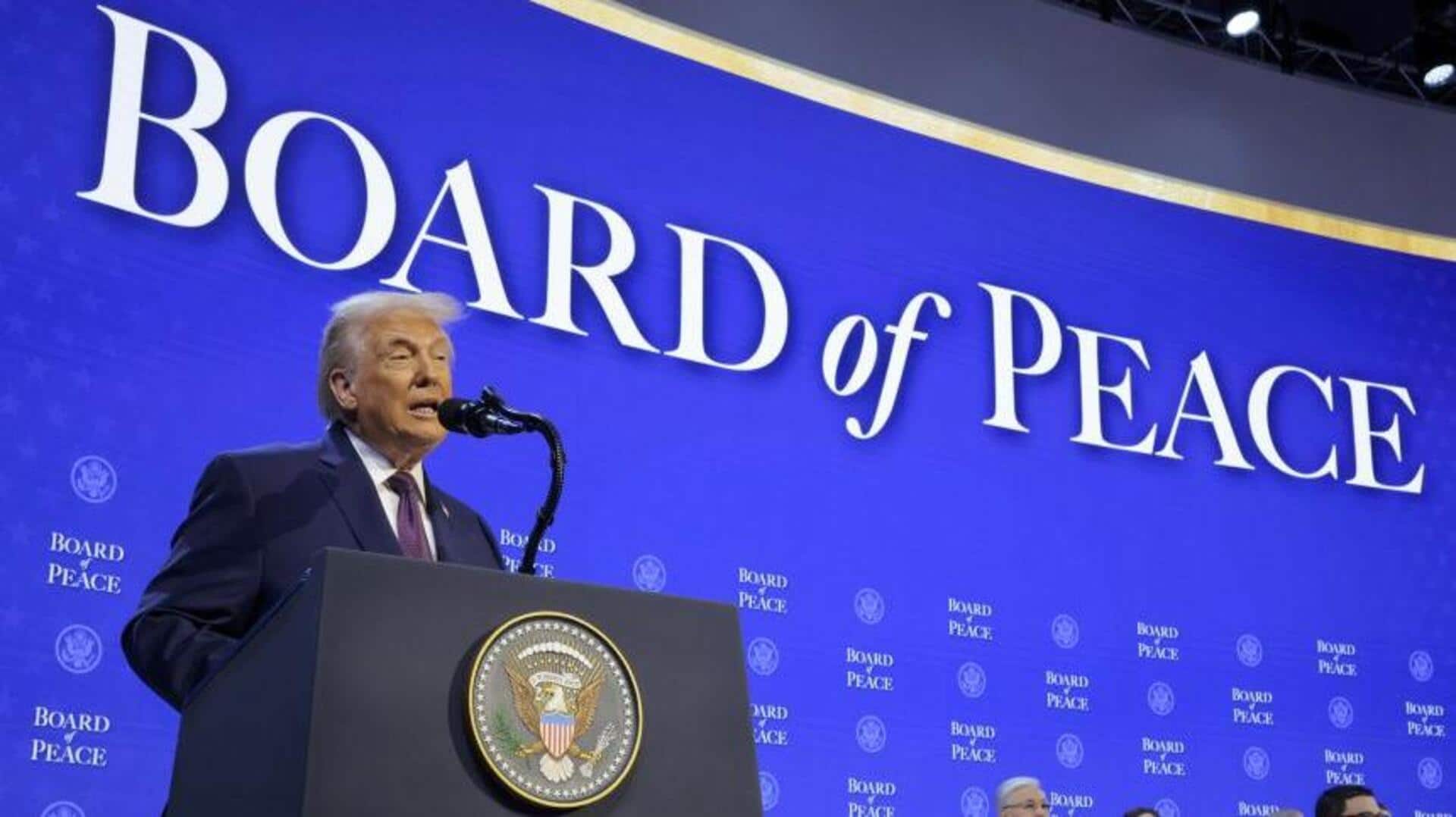

Amid the ongoing crisis in Gaza, the United States Board of Peace, spearheaded by former President Donald Trump, has initiated discussions with Dubai’s DP World Holdings to explore collaborative efforts in supply chain management and infrastructure redevelopment. The partnership aims to address the critical need for reconstructing Gaza’s devastated economy and physical infrastructure, which faces an estimated $70 billion rehabilitation cost. Central to these talks are proposals for establishing advanced warehousing systems, real-time tracking technologies for humanitarian and commercial goods, and enhanced security frameworks to ensure safe passage of supplies through conflict-affected corridors. DP World’s involvement signals a strategic pivot by a major global logistics player to engage in high-impact crisis management, potentially positioning the company as a key conduit for post-conflict economic recovery in the region.
The proposed investment aligns with broader geopolitical and economic interests, as DP World’s entry into Gaza’s logistics network could catalyze the development of a regional free-trade zone, leveraging existing infrastructure in the Gaza Strip or adjacent Egyptian territories. Such a project would not only alleviate bottlenecks in aid distribution but also create a model for integrating Gaza into regional supply chains, thereby unlocking residual economic potential. For sovereign entities, this initiative represents a calculated risk to stabilize a historically volatile corridor critical to energy and trade routes, including the Suez Canal. Gulf states and institutional investors may view this as an opportunity to channel sovereign capital into nascent markets, blending humanitarian objectives with strategic access to underdeveloped infrastructure corridors. The venture, however, requires meticulous oversight to navigate geopolitical sensitivities and competing regional interests, particularly amid Israel’s security concerns and Egypt’s strategic priorities.
From a venture capital perspective, the initiative opens avenues for high-yield, low-profile investments in logistics technology and public-private partnerships. DP World’s proposed tracking systems and warehouse automation could anchor a burgeoning market for fintech and supply chain solutions tailored to conflict zones, attracting institutional capital seeking photorealistic returns. Yet, challenges loom large, including regulatory hurdles, security risks, and the unprecedented scale of coordination required across international stakeholders. The region’s infrastructure deficit remains a barrier to attracting venture capital, but projects with clear humanitarian imperatives and clear ROI models—such as modular logistics hubs or green energy microgrids—could redefine investment norms in high-risk, high-reward environments. Observers must also weigh the potential for unintended consequences, including disputes over project financing or accusations of political interference from non-state actors.
The long-term success of this undertaking hinges on aligning private-sector expertise with state-driven reconstruction agendas. A viable Gaza logistics network would not only address immediate humanitarian crises but also serve as a linchpin for regional economic reintegration, reducing dependency on volatile Gulf remittances and oil revenues. However, the project’s viability depends on securing multilateral funding and fostering trust among stakeholders, from the UN to Arab League members. Without a cohesive framework addressing sovereignty concerns and dispute resolution mechanisms, the initiative risks becoming another symbol of Western-led meddling rather than a sustainable development blueprint. As Gaza’s infrastructure struggles to keep pace with its population’s needs, this venture could either redefine the region’s economic trajectory or exacerbate existing fractures along political and capital ownership lines.