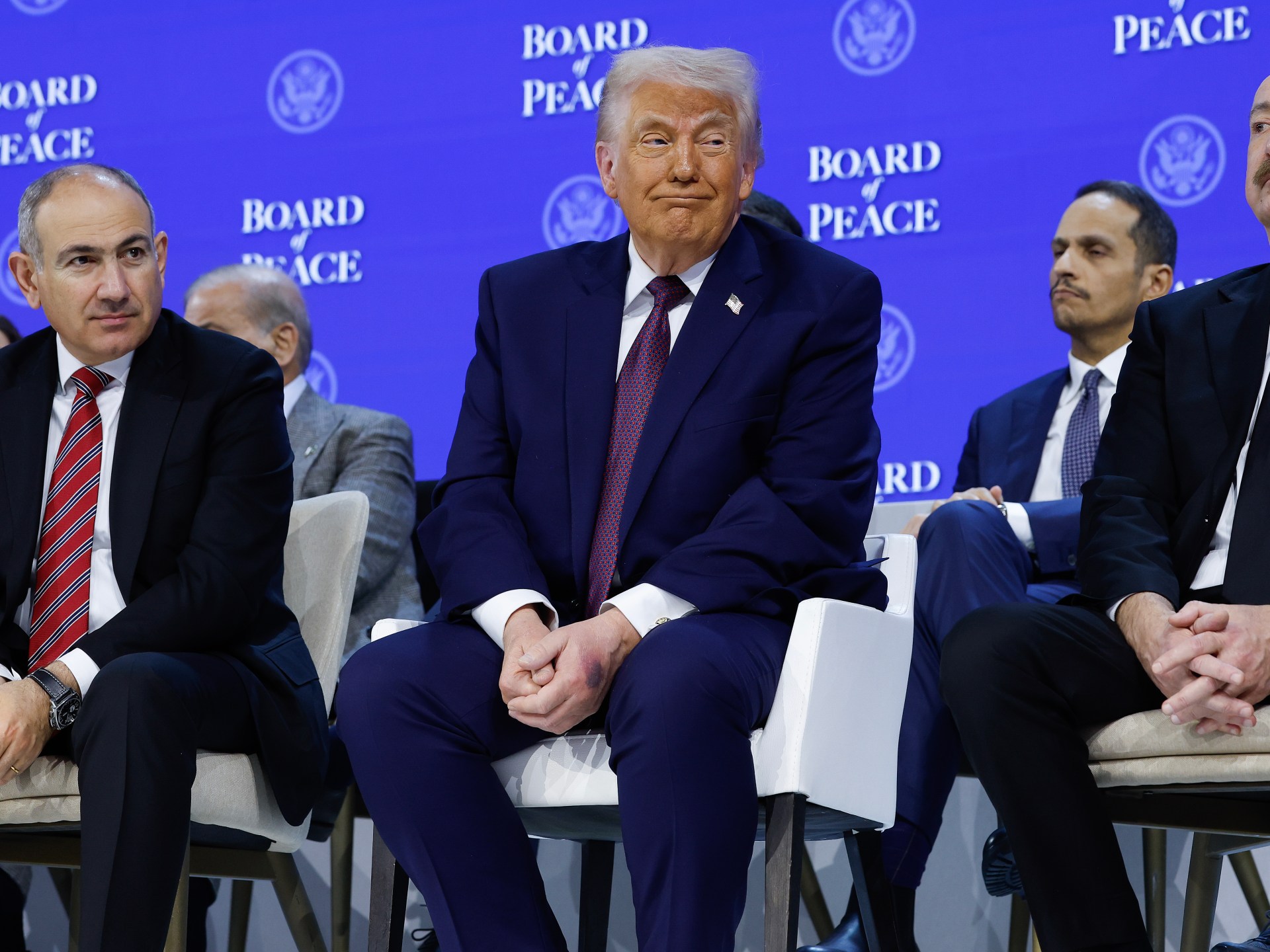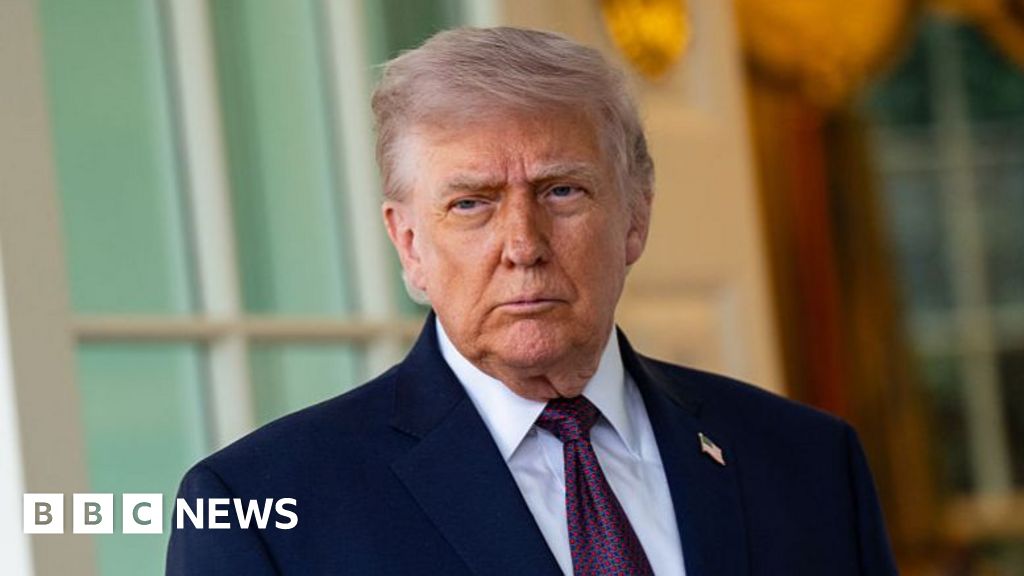

The U.S. administration’s remarks underscore the fragility of diplomacy in the Middle East, where geopolitical volatility continues to reverberate through sovereign capital markets and cross-border investment strategies. Iran’s potential absence from the proposed Pakistan-mediated peace talks introduces a critical layer of uncertainty, particularly for Gulf Cooperation Council (GCC) states and Türkiye, which have signaled tentative interest in stabilizing the region. The lack of diplomatic engagement risks exacerbating capital flight from Iran, further weakening its already precarious sovereign financial position, while deterring foreign private equity and venture capital inflows into non-oil sectors reliant on regional stability.
Venture capital and private equity firms operating in the MENA region are likely to adopt a cautious stance, given the cascading implications of stalled diplomatic efforts. Startups and growth-stage companies in technology, renewable energy, and fintech—sectors that depend on cross-border collaboration—face heightened operational risks as political stalemates deter talent migration, regulatory harmonization, and supply chain integration. Meanwhile, sovereign capital markets may experience heightened volatility, with GCC governments potentially reallocating liquidity reserves toward regional stabilization initiatives rather than infrastructure or technological modernization projects.
Regional infrastructure development, a cornerstone of Saudi Vision 2030 and UAE economic diversification, could face delayed momentum if broader conflict resolution remains elusive. Projects such as the proposed Trans-Anatolian Gas Pipeline or Gulf-Caspian trade corridors hinge on multilateral cooperation, and prolonged geopolitical ambiguity may force states to prioritize security over connectivity. This risks entrenching economic fragmentation, undermining efforts to establish a cohesive regional ecosystem capable of competing with global tech hubs or attracting institutional capital.