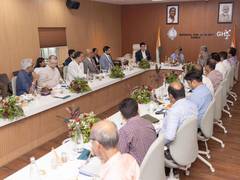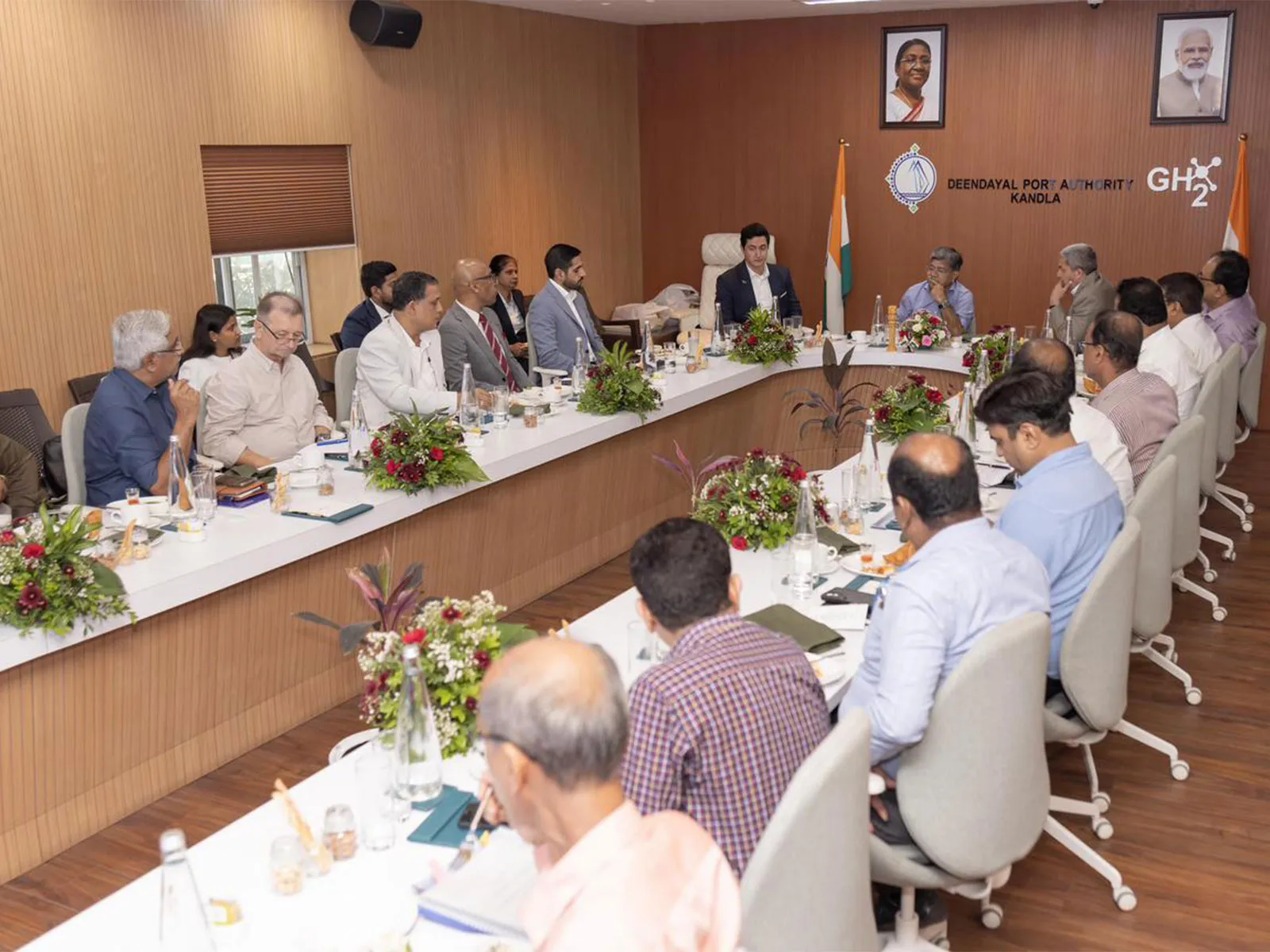

The strategic collaboration between Deendayal Port Authority (DPA) and DP World at Kandla Port underscores a pivotal shift in India’s maritime logistics, with ripple effects poised to resonate across the broader Middle East and North Africa (MENA) region. The proposed Tuna-Tekra container terminal, designed to double Kandla’s cargo-handling capacity to 2.5 million TEUs annually, represents a significant lever for enhancing Indo-MENA trade volumes. By integrating cutting-edge automation and digital tracking systems, the terminal will streamline supply chains between India and MENA’s energy, construction, and textile hubs, reducing transit times by up to 30%. This efficiency gain positions Kandla as a critical nexus in regional trade networks, potentially diverting cargo flows from less competitive MENA ports and stimulating benchmarking dynamics in the region. For DPA, securing DP World’s operational expertise signals a deliberate pivot toward public-private partnerships as a cornerstone of India’s $150 billion National Logistics Policy, which seeks to decongest ports and attract ESG-compliant financing. This deal could catalyze sovereign capital reallocation in MENA, as Gulf states facing supply chain bottlenecks may emulate India’s model to modernize ports like Jebel Ali or the upcoming SAITMC node of the Red Sea Free Zone.
The Magrail Pilot Project’s emphasis on railborne container transport further illuminates the interdependence of infrastructure innovation and regional economic resilience. By reducing modal transfer times for inland industries—the same corridors critical for Middle Eastern oil and mineral exporters—Kandla’s initiative directly addresses structural inefficiencies plaguing MENA’s logistics ecosystem. For instance, Morocco’s Casablanca-Al-Hoceima Logistics Corridor or Egypt’s Suez Canal-linked industrial parks could adopt similar models to mitigate congestion risks and align with the UN’s sustainable development goals. Crucially, the project’s reliance on private-sector capital to fund technology accreditations—such as AI-driven rail scheduling—parallels venture capital trends in MENA’s logistics tech startups, where firms specializing in AI-enabled fleet optimization or blockchain-based cargo tracking have attracted over $200 million in 2023. This convergence of institutional capital and entrepreneurial innovation may redefine MENA’s competitiveness in global supply chains, particularly as nations in the region vie to host Trans-Arabian Railway segments or EU-funded logistics hubs under the GCC-EU Global Public Goods Dialogue.
The business implications for MENA’s sovereign and private capital markets are profound. DP World’s endorsement of Kandla’s expansion validates India’s growing influence as a sovereign investor in regional infrastructure, a trend likely to encourage Gulf pensions funds and sovereign wealth entities to underwrite similar projects in Israel’s Ashdod Port or Libya’s Tobruk Port Reclamation Program. For MENA’s venture capital ecosystem, the partnership highlights opportunities in complementary technologies, such as electric drayage vehicles or modular rail freight systems—sectors where Indian and Middle Eastern firms could form strategic alliances. Meanwhile, the push for “zero-tariff” logistics corridors between Indo-MENA partners aligns with the UAE’s 2032 Circular Economy Agenda and Saudi Arabia’s MDLPA 2030 objectives, creating a de facto framework for cross-regional cap-ex investments. Critics may argue that such deals risk deprioritizing local entrepreneurship; however, the integration of DP World’s financial muscle with DPA’s regulatory czarship offers a replicable blueprint for balancing public oversight with private agility—a balance imperative for MENA’s sustainability-driven financing models.
In sum, the Tuna-Tekra-Magrail initiative transcends India’s national ambitions, positioning itself as a catalyst for MENA’s infrastructural metamorphosis. By harmonizing sovereign capital flows alongside venture-driven technovation, the project not only addresses India’s port bottlenecks but also sets precedents for fiscal and logistical coordination across the region. For MENA policymakers, the syndication of capital markets, green logistics tech, and port-led diversification strategies outlined in this partnership could serve as a template to confront overlapping challenges—from dollar dependency to youth unemployment—ensuring that regional development remains anchored in competitive, future-ready infrastructure ecosystems.