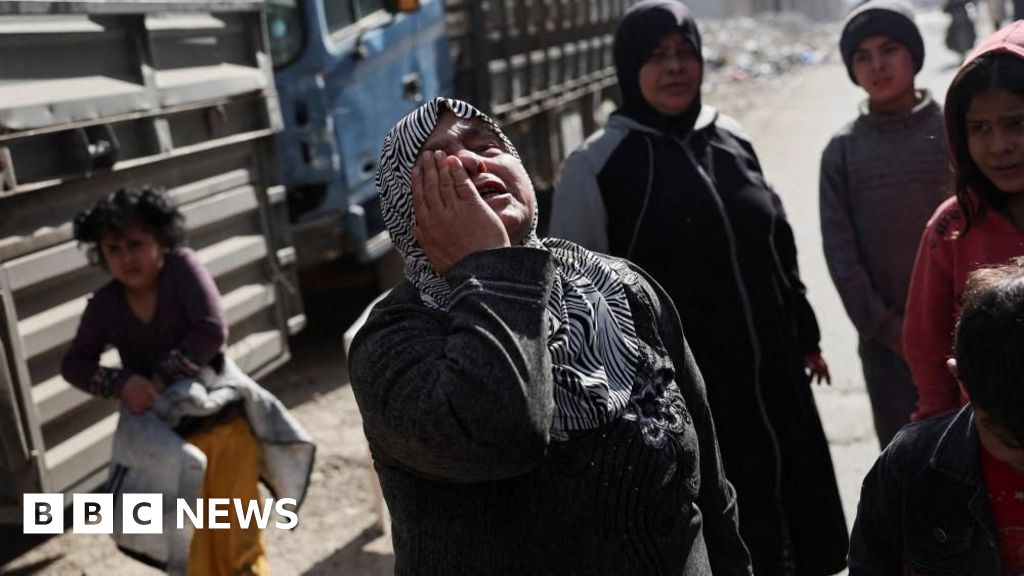

Recent reports detailing a brutal and coordinated series of attacks targeting civilian infrastructure across multiple North African nations – specifically, incidents involving deliberate sabotage and violence – represent a significant and deeply concerning escalation of instability within the region. While the immediate humanitarian impact is devastating, the long-term business and economic consequences demand immediate and strategic attention from regional and international stakeholders. These actions, seemingly designed to disrupt critical supply chains and undermine investor confidence, are not merely localized conflicts; they are a deliberate attempt to destabilize the broader MENA economic landscape.
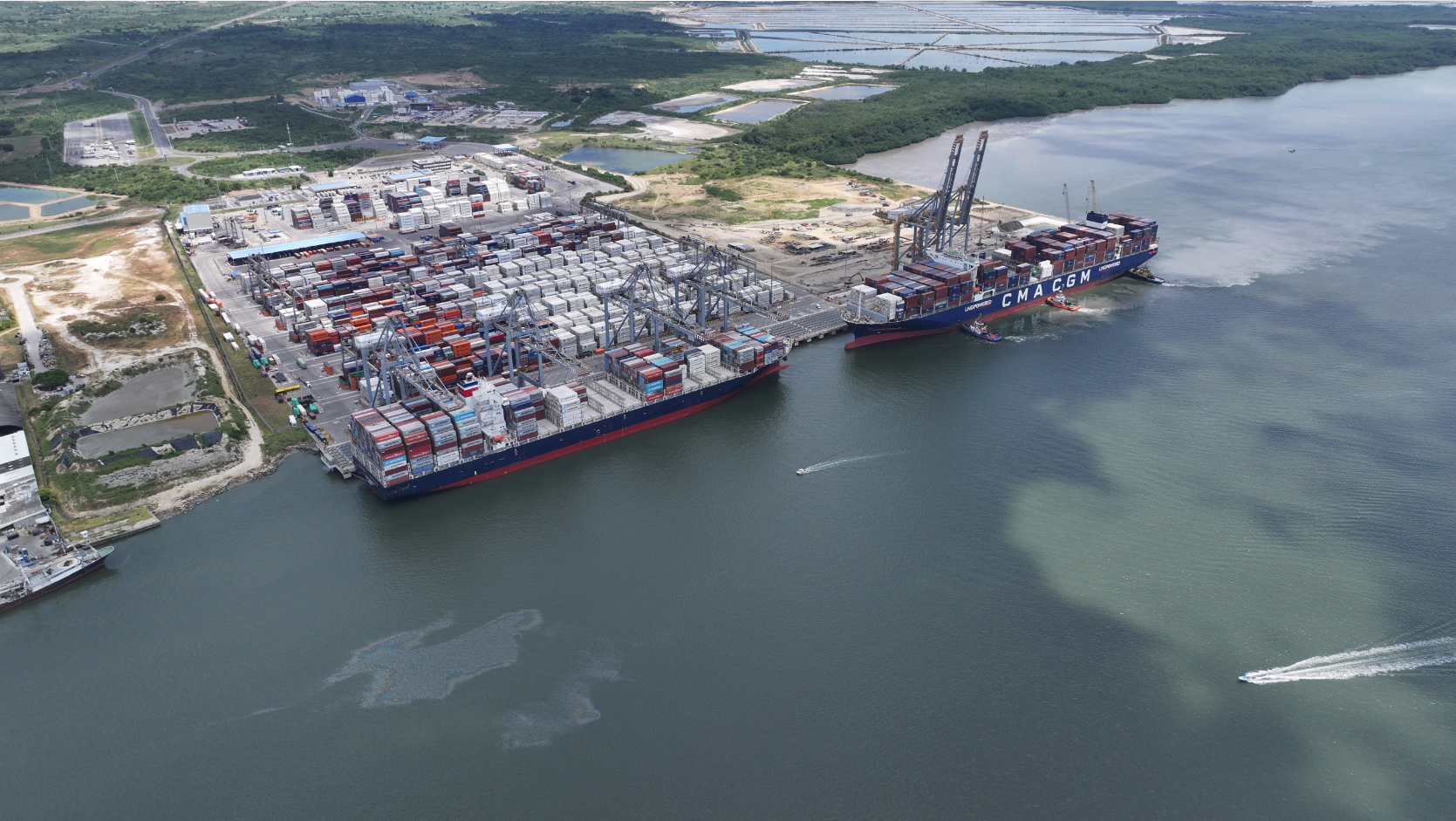
The most immediate business impact centers on the disruption of vital transportation and energy networks. Attacks on pipelines, ports, and communication infrastructure directly threaten regional trade flows, particularly for oil and gas exports, a cornerstone of the economies of Saudi Arabia, the UAE, and Egypt. This volatility will inevitably drive up insurance premiums, increase operational costs for businesses reliant on these networks, and potentially deter future investment. Furthermore, the uncertainty surrounding security creates a chilling effect on planned expansions and new ventures, particularly in sectors like logistics and tourism. Sovereign wealth funds, traditionally key drivers of regional growth, are likely to adopt a more cautious approach to capital deployment, prioritizing stability over speculative returns. We anticipate a significant shift towards defensive investments and a heightened focus on risk mitigation strategies.
The venture capital ecosystem within the MENA region is also poised for a recalibration. While established sectors like fintech and e-commerce remain attractive, the increased security risks will likely redirect capital towards cybersecurity, critical infrastructure resilience, and localized supply chain solutions. Sovereign wealth funds, increasingly active in venture capital, will likely prioritize investments that bolster national security and economic self-sufficiency. Crucially, the flow of capital from international VCs will be scrutinized more intensely, with a greater emphasis on due diligence regarding operational security and political risk. We’re already observing a tightening of investment criteria and a preference for companies demonstrating robust contingency plans and localized operational capabilities.
Finally, these events underscore the urgent need for substantial investment in regional infrastructure resilience. Simply rebuilding damaged assets is insufficient; a proactive, multi-faceted approach is required, encompassing enhanced surveillance technologies, improved cybersecurity protocols, and diversification of critical supply chains. Sovereign governments must collaborate to establish regional security frameworks and incentivize private sector participation in bolstering infrastructure defenses. Without a concerted effort to address these vulnerabilities, the MENA region risks a prolonged period of economic stagnation and diminished global competitiveness, highlighting the critical intersection of geopolitical instability and long-term financial stability.