
Kevin Warsh’semergence as a leading contender for Federal Reserve chairmanship brings a strategic convergence with Treasury Secretary Scott Bessent’s geoeconomic playbook. Both officials advocate a calibrated blend of monetary restraint and fiscal prudence that prioritizes capital preservation while nudging strategic sectors toward growth. This alignment signals to global markets a readiness to recalibrate liquidity levers in concert with fiscal reforms, fostering an environment where risk assets can be priced more predictably amid geopolitical volatility.
For investors, the implied policy stance translates into a sharper focus on balance‑sheet resilience and sectoral arbitrage. Markets are likely to reward issuers with robust cash‑flow profiles and tangible exposure to productivity‑enhancing technologies, while penalizing over‑leveraged entities that lack a clear pathway to sustainable margins. The resulting shift in risk appetite underscores the importance of capital efficiency and introduces a premium for assets that can weather tightening financial conditions.
From a sovereign and venture capital perspective, the Warsh‑Bessent synergy creates a fertile runway for Middle East and North Africa (MENA) sovereign wealth funds to deepen allocations toward high‑growth technology ecosystems. Anticipated policy synergies—such as coordinated tax incentives for R&D and streamlined regulatory pathways—lower entry barriers for venture-backed firms and accelerate capital deployment into AI, fintech, and clean‑tech ventures. This confluence is expected to channel additional dry‑powder into region‑specific growth funds, amplifying liquidity for scale‑up rounds and reinforcing the MENA capital ecosystem.
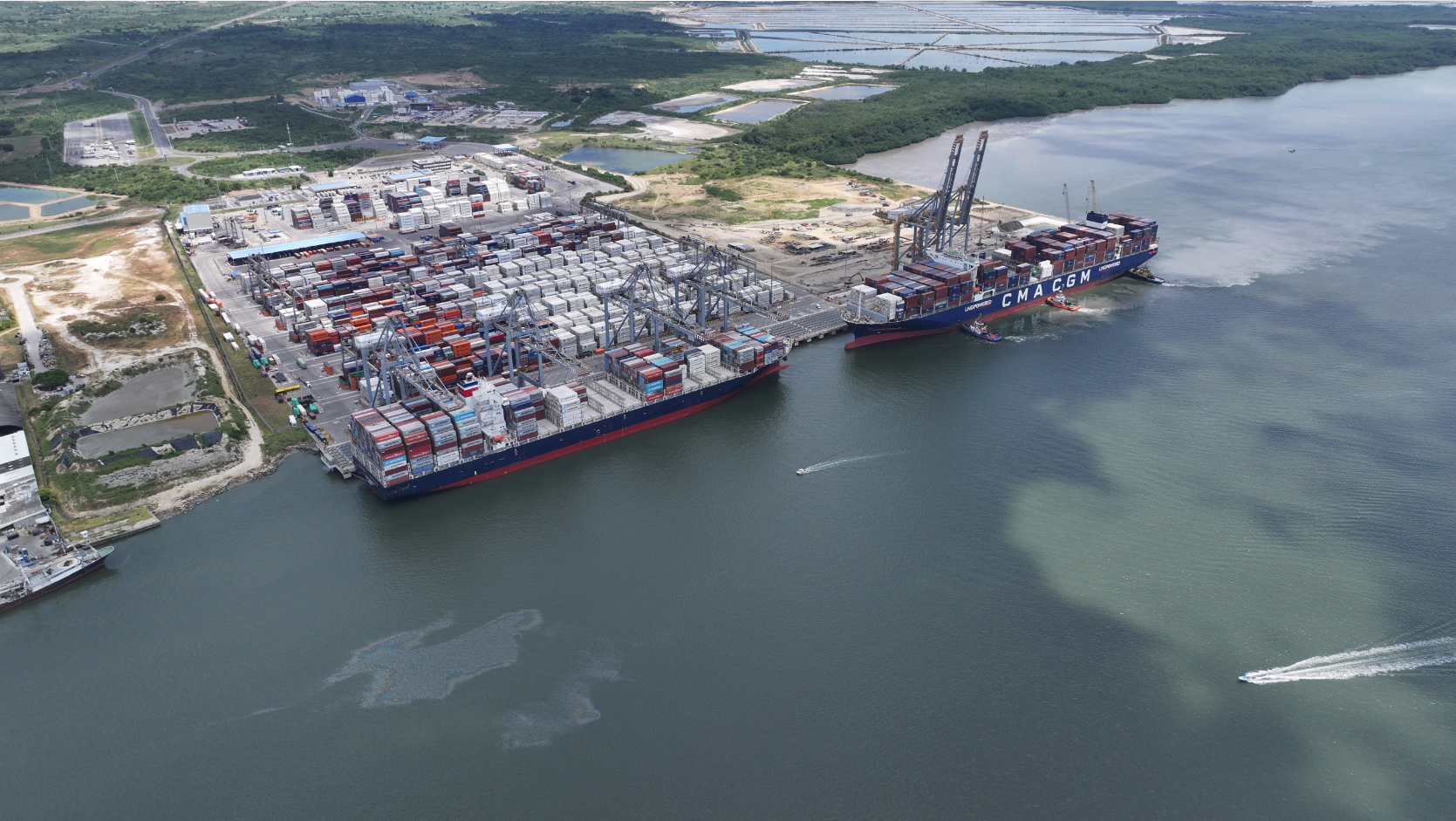
Infrastructure financing in the region will benefit from the dovetailing macro‑policy signals, especially as governments prioritize digital corridors, renewable‑energy grids, and logistics hubs that align with broader geopolitical objectives. The anticipated policy window enables sovereign bond issuances to be priced at more attractive yields, unlocking capital for multilateral projects that intersect with private‑sector investment. Consequently, the integration of monetary and fiscal levers positions MENA’s infrastructure pipeline to attract both sovereign and institutional capital, accelerating the execution of strategic projects that underpin long‑term economic diversification.