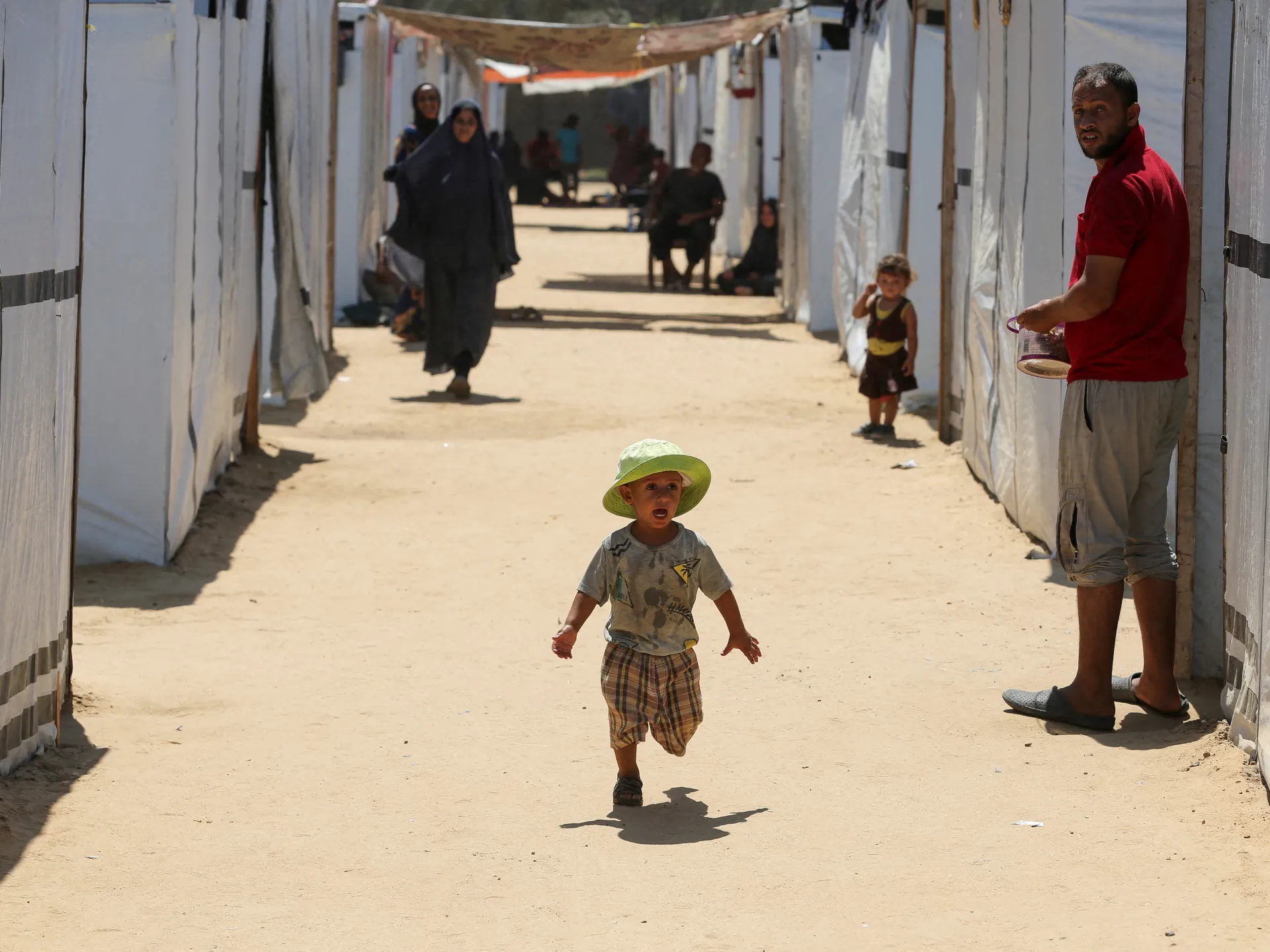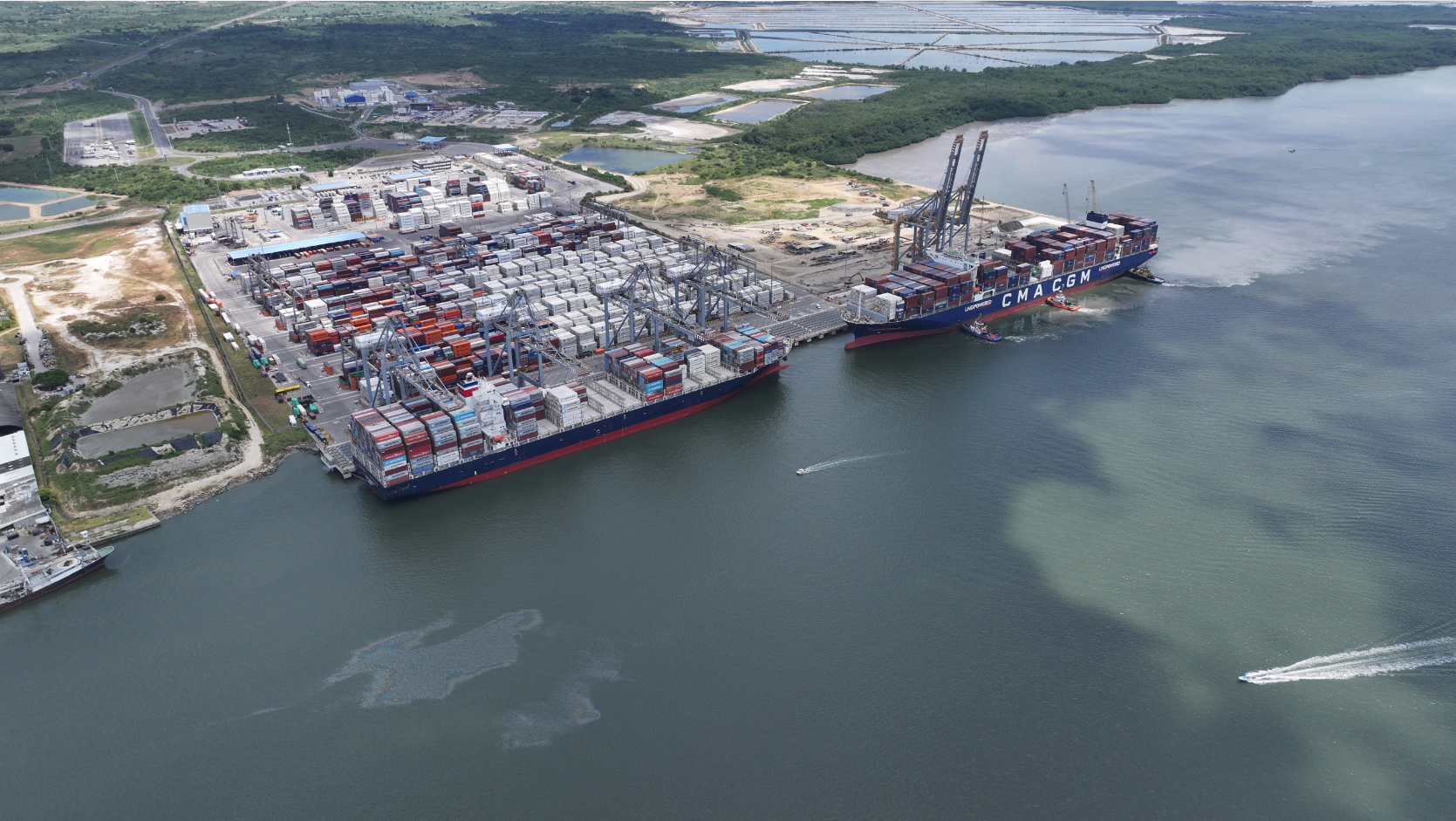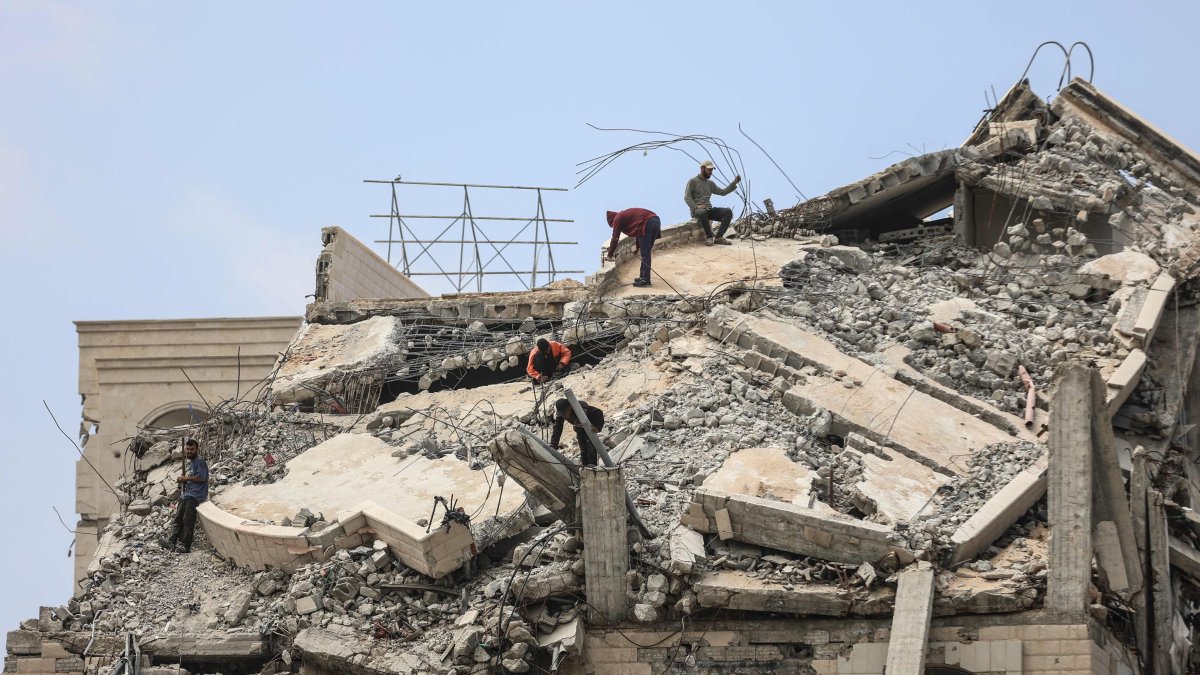

Donald Trump’s proposed Board of Peace has initiated discussions with Dubai-based DP World to navigate the logistics of Gaza’s post-conflict reconstruction, signaling a critical intersection of private-sector expertise and geopolitical strategy. The proposed partnership aims to reconstruct Gaza’s fractured supply chains, which have been crippled by 15 months of Israeli military operations that reduced 90% of civilian infrastructure to rubble, according to official estimates. Central to the talks are plans for DP World to manage warehousing, tracking systems, and security protocols for humanitarian and commercial goods flow—a lifeline for the 1.5 million displaced residents awaiting critical aid delivery. Simultaneously, the board has floated ambitions for DP World to develop a regional logistics hub, including a new port on Gaza’s coastline or in Egypt’s Sinai Peninsula, paired with a free-trade zone to catalyze economic reintegration once hostilities cease.
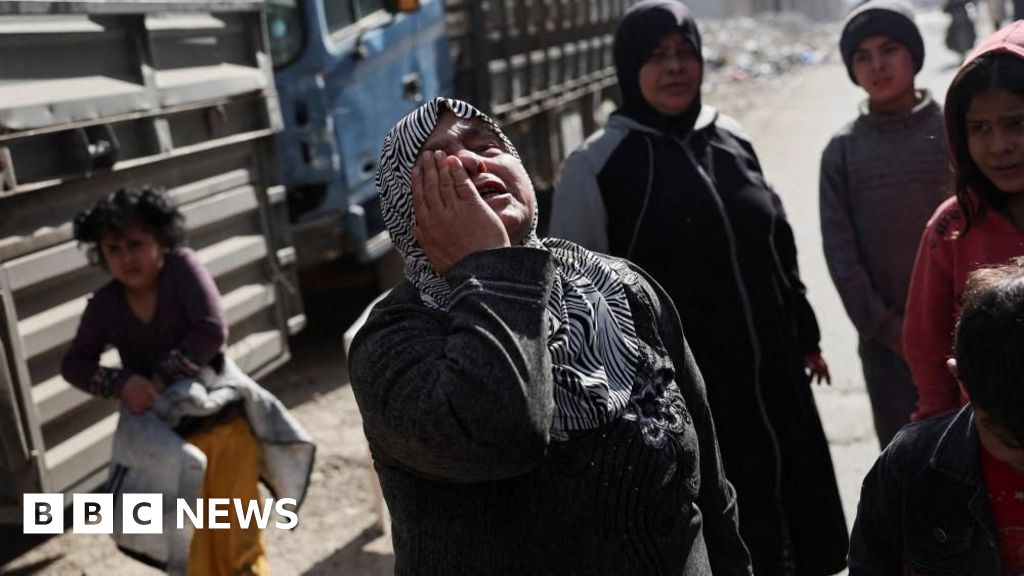
The immediate hurdle for such projects rests on mobilizing thirfty billion dollars in sovereign capital required to rebuild Gaza, a figure dwarfed only by the scale of destruction it seeks to address. DP World’s involvement underscores Middle East venture capital’s growing appetite for infrastructure-as-a-service models, leveraging its global logistics network to underwrite complex reconstruction contracts. By positioning itself as a neutral facilitator, the firm could bridge gaps between international donors, regional governments, and private investors wary of stability risks. However, the initiative’s viability hinges on aligning DP World’s operational mandates with Palestinian nationalism post-conflict—a delicate balance of technical execution and political sensitivities in a region where 72,000 Palestinian lives have already been lost since October 2023.
Beyond Gaza, these talks reflect deeper shifts in Middle East infrastructure investment, with the UAE emerging as a key contractor for conflict resolution through engineering and trade networks. DP World’s potential role in Gaza complements Abu Dhabi’s historical investments in Iraqi and Yemeni reconstruction, though the Gaza proposal introduces unprecedented challenges amid active warfare and occupation disputes. The free-trade zone concept, if realized, could redefine regional economic architecture, redirecting Egypt’s Suez-Mediterranean Corridor traffic toward northern Red Sea ports. Yet such plans demand unprecedented coordination between Israel, Egypt, and U.S.-led reconstruction frameworks, complicating efforts to de-escalate the war. For sovereign wealth funds and Gulf corporates, the opportunity lies in piloting sustainable infrastructure models that prioritize resilience over short-term political objectives—a strategic imperative as regional capital flows pivot toward post-Scamperco-era projects post-OPEC+ restructuring.