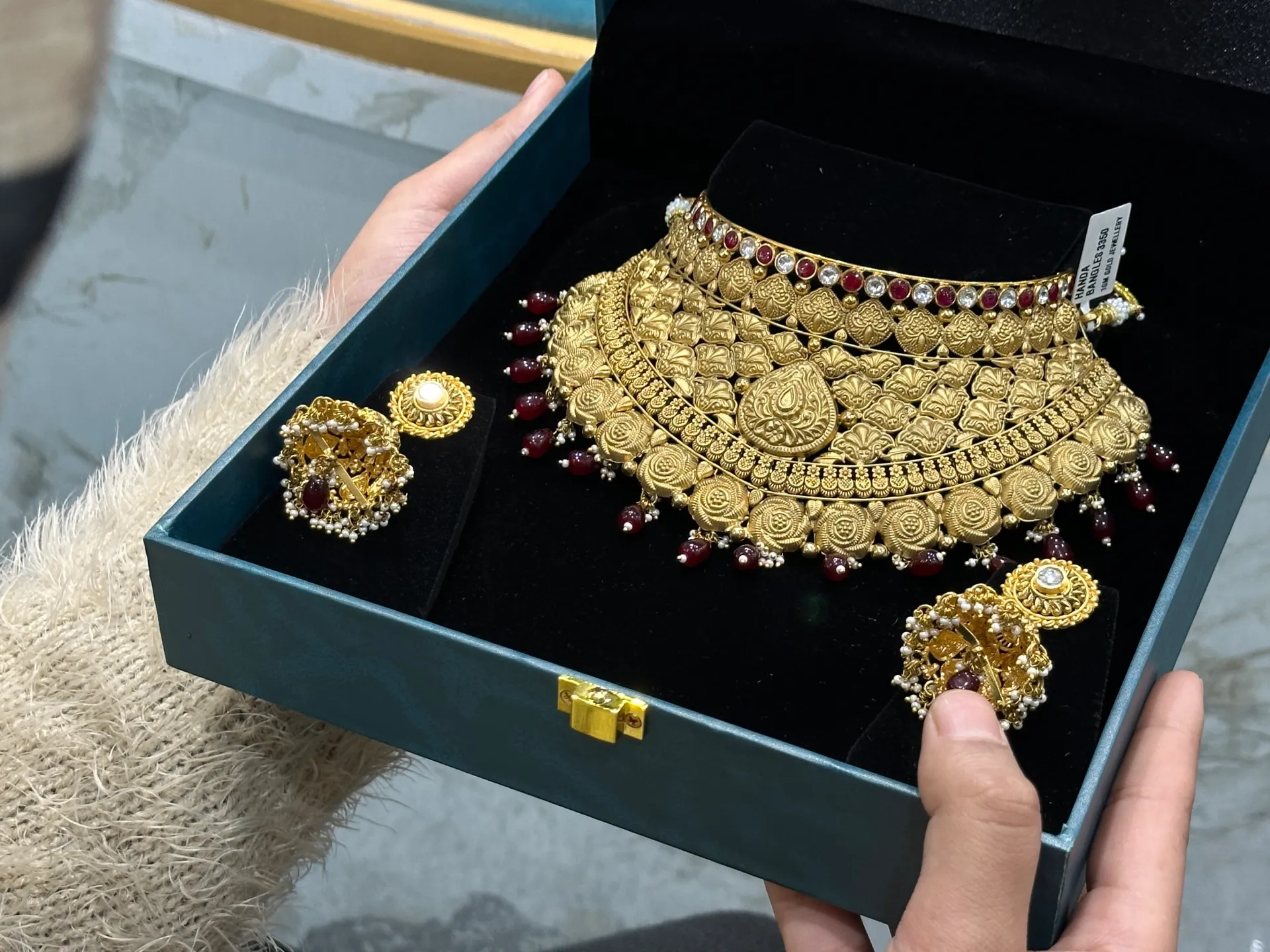

The escalating volatility in global gold prices has catalyzed a paradigm shift in consumer behavior across the Middle East and North Africa (MENA), where the metal’s cultural and economic significance intersects with profound socioeconomic challenges. In Egypt, the world’s second-largest gold consumer, soaring prices—peaking at $2,300 per gram in 2024—have eroded purchasing power for middle-class families, particularly in matrimonial contexts where gold remains a symbol of familial honor and security. Retailers report a 30-40% decline in traditional jewelry sales, paralleled by a surge in demand for electroplated and hollow gold alternatives. This mirrors South Asia’s trends but is compounded in MENA by currency devaluation and inflationary pressures, with Lebanon’s central bank citing gold imports as a 12% contributor to its 2024 trade deficit. Sovereign wealth funds across Gulf states, however, have opportunistically increased gold-linked ETF investments, leveraging the metal’s inverse correlation with fiat currencies amid prolonged U.S. Federal Reserve tightening cycles.
Sovereign capital flows and geopolitical calculus are reshaping MENA’s precious metals landscape. Saudi Arabia’s Public Investment Fund (PIF) and the UAE’s Abu Dhabi Investment Authority (ADIA) have quietly diversified reserves into gold-backed sovereign bonds, while Libya’s National Oil Corporation has offloaded 20% of its gold holdings to finance humanitarian imports. These moves reflect a strategic pivot: Saudi Arabia’s recent gold-backed Sukuk issuance, denominated in bullion, aims to attract Euro-Asian investors bypassing Riyadh’s SWIFT exclusions, underscoring gold’s role as a de-risking tool in fragmented sovereign capital markets. Meanwhile, Iran’s central bank hedges USD depreciation via gold sales, exacerbating regional price volatility as Middle Eastern refineries prioritize allocations to sanctioned counterparts. The ripple effects extend to regional trade frameworks, with the Gulf Cooperation Council (GCC) proposing a duty-free gold corridor to stabilize cross-border EIPT imbalances—a move quietly tested in Kuwaiti-Kuwait advance between Qatar and Oman.
Venture capital is racing to disrupt the MENA jewelry ecosystem, channeling $850 million into fintech platforms for fractional gold ownership and AI-driven valuation algorithms. Startups like Morocco’s AuRaque—which offers 24-carat gold coins on layaway plans using blockchain traceability—have secured backing from Eclipse Ventures, while Dubai’s Zain Group expanded its “SmartGold” platform to Saudi Arabia, enabling micro-transactions via Apple Pay. These innovations aim to tap into the $2.3 billion GCC gold jewelry market, where millennials now spend 18% of traditional budgets on digital alternatives. Parallelly, private equity firms like Aberdeen-Newbridge Capital are acquiring shuttered gem-cutting artisans in Ethiopia and Comoros, repurposing artisanal labor for low-cost, drone-delivered bridal sets targeting Riyadh’s luxury enclaves. Yet, the absence of regional VC frameworks for commodities tech—a gap Qatar’s National Institute of Advanced Studies is now addressing—threatens inefficiencies in scaling.
Regional infrastructure gaps, from logistical bottlenecks to outdated customs regimes, exacerbate disparities in gold accessibility. While Morocco’s port of Tangier modernized its gold-certification facilities in 2023, aligning with EU ASCRIP standards, 60% of Pakistani-Afghan migrants entering via informal Levant routes still smuggle gold, straining CENTOS security collaboration. Urban centers like Amman and Muscat are countering this through “gold corridors”—dedicated freight lanes linking mining hubs in Turkey and Oman—reducing transit times by 47 hours. However, infrastructural silos persist: Gulf banks lag in integrating gold ESG metrics into trade financing products, whereas Ethiopia’s $1.2 billion Addis Ababa gold airport expansion remains paralyzed by hyperinflation-driven contractor bankruptcy. As MENA’s middle-class waistlines precisely align with declining disposable incomes, the region’s gold narrative transcends commerce, becoming a litmus test for sovereign resilience and technological leapfrogging amid parallel universes of tradition and disruption.