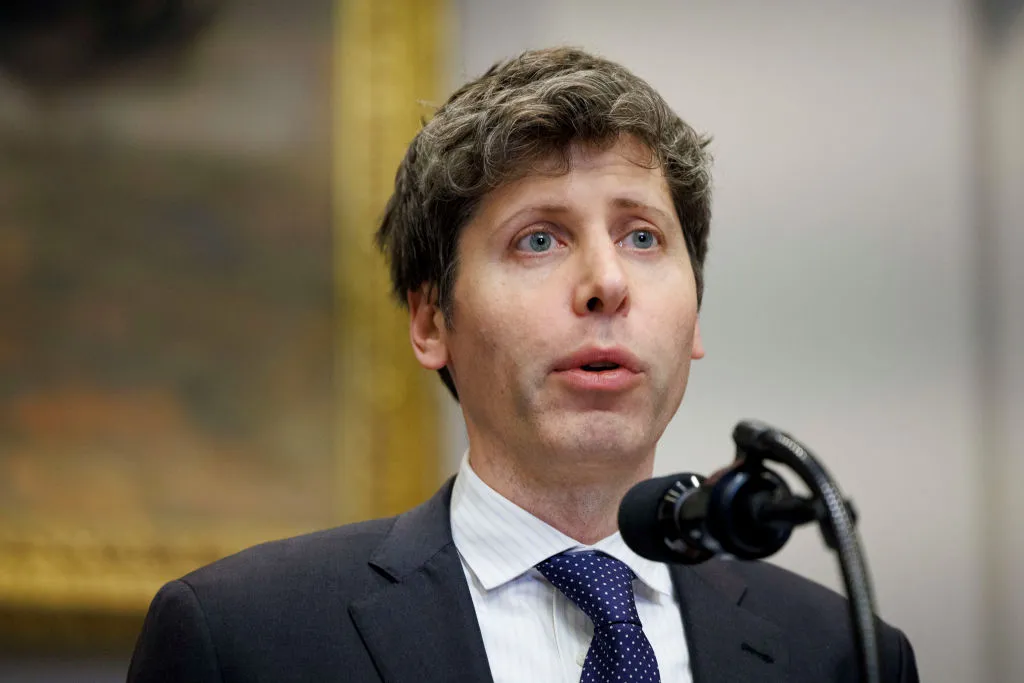

OpenAI CEO Sam Altman has issued a public apology to the residents of Tumbler Ridge, Canada, following a series of events that have raised significant questions about the responsibilities and capabilities of artificial intelligence firms in detecting and reporting potential threats from online radicalization and other harmful activities. Altman’s letter, addressing the community directly, exhibits a deep genuine remorse for the failure of his company to identify and channel potential threats spent law enforcement actions in time. This regret is in direct response to the attention-grabbing highlight of summer 2025 Ontario wherein Jesse Van Rootselaar, a high school dropout from the community, used the platform of OpenAI to express ideation on the same during late 2025 that severely and aggressively described scenarios involving gun violence before taking actual life-taking activities into his account.
The failure of OpenAI to heed to reported rubrics and signifiably flag potential hazards ending in tragic results has a profound business and regulatory fallout for the company. OpenAI’s admitted challenges in applying the concept of safety protocols in a dynamic online community herald a new discourse over artificial intelligence collaboration with law enforcement agencies. The financial ramifications and reputation at stake highlight the necessity for AI companies, particularly those operating in burgeoning markets such as the Middle East and North Africa or MENA, to conduct sifted risk analyses that encompass the local socio-political context, alongside international digital safety standards.
These considerations are set against the backdrop of the MENA region’s dynamic rise in AI adoption. The technologically advanced sectors in countries such as the UAE and Saudi Arabia are fast-tracing the green points of NoHo, societal wellbeing, and peace in a large, religious and diverse cultural tapestry that must reckon with issues fear and division. Israel’s strategic ramifications in the area delineated off contingencies along geopolitical faultlines, surrogate violence, and financial leverage undermining the sturdy economic infrastructure, thus leaving AI and digital firms accountable.
OpenAI’s oversight further stirs the consciousness of other tech startups and incumbent institutions in the region, particularly venture capitalists who fund the next Silicon Valley. Altman’s analogy of reevaluating safety protocols may parallel the increasing scrutiny and discussions they’re facing, especially those tolerating varied and asymmetrical debate over AI advancements’ potential on populations. Global stakeholders must redesign protocols with an elevated priority – creating bridging dialogues that widen the safety corridor for otherwise vulnerable communities without infringing on Civil Liberties, as both public safety and Manifesto Technological Advancement of Artificial intelliegence is under immense scrutiny.