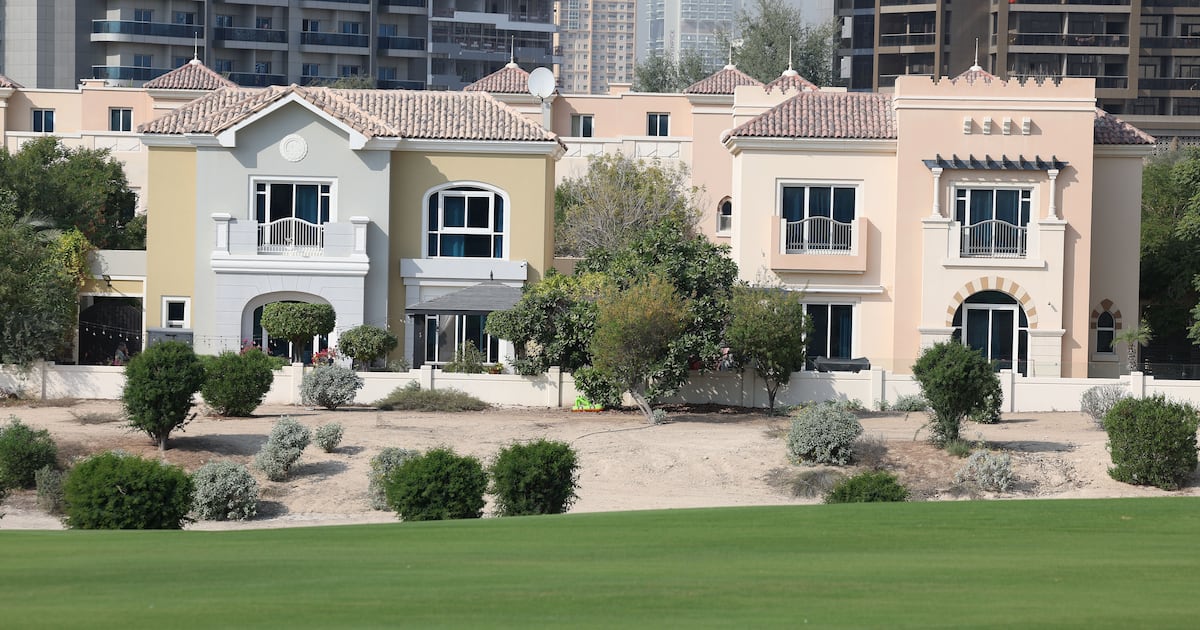

The recent performance of the Middle East and North Africa financial and technology landscape underscores a significant shift in the investment calculus for sovereign capital, venture capital, and regional infrastructure. As markets navigate through the aftermath of war-related disruptions, statistical indicators reveal a pronounced contraction in property valuations, with the March 2026 Residential Values report signaling a contraction of 5.9 percent on average—marking yet another downturn since the pandemic. Despite the ongoing specter of uncertainty, expectations remain cautiously optimistic around structural recovery, especially as property owners with an acute need for affordable or rapidly liquidated assets turn to the market again to secure improved valuations. This resurgence in buyer activity highlights a growing resilience among investors seeking clarity amid rising volatility and a pivot toward tangible portfolio adjustments.
The implications extend far beyond the real estate sector, directly affecting sovereign capital flows and venture capital investment strategies. As foreign media forecasts a slump in the housing market have failed, the emerging buyer sentiment—characterized by lower risk aversion and a search for tangible economic returns—reshapes the risk landscape. Real estate experts emphasize the ongoing buyer influx returning to the markets at discounted prices, underscoring an environment where flexibility and value-seeking are revalued over speculative growth. The data thus points decisively to a recalibration of strategies, highlighting both the immediate challenges and the nascent opportunities awaiting astute decision-makers.
Infrastructure developments remain a pivotal arena for the region, as both public investment priorities and private sector initiatives converge on transformative projects designed to bolster long-term economic prospects. The anticipated flow of new off-plan housing projects, amounting to over 80,000 units, is projected to further dampen the appreciation pressure on current property markets. While the short-term effects underscore the resilience of market sentiment, the gradual integration of these new assets into the regional stock and rental landscape signals a longer-term recalibration. Consequently, stakeholders who align their strategies with the impending trends—whether through cautious rents, flexible leasing, or diversified capital allocation—stand to benefit most from the evolving dynamics in this crucial economic zone.