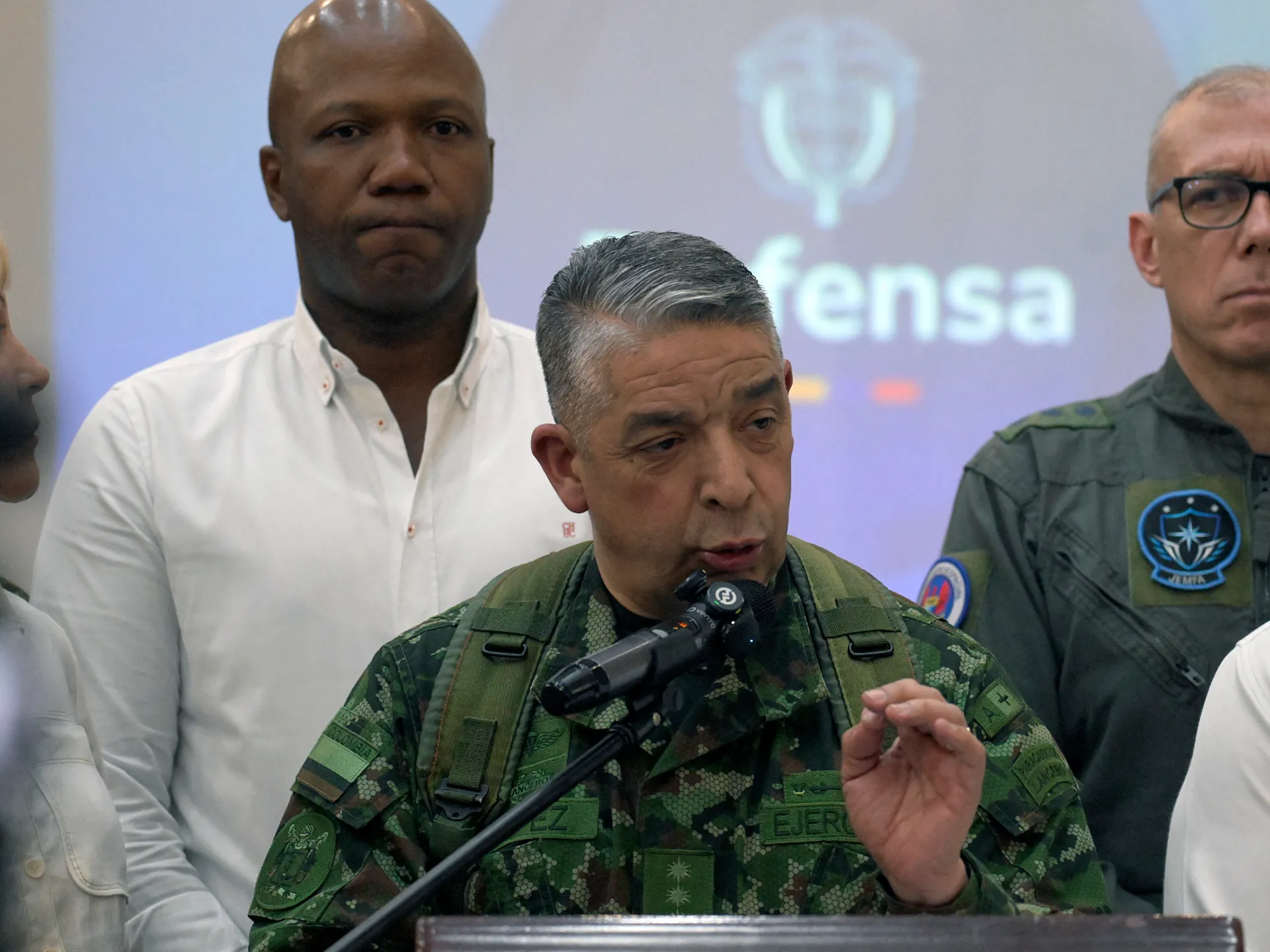

The recent explosion on the Pan-American Highway in Colombia underscores the persistent security volatility plaguing critical infrastructure corridors in Latin America, posing a direct challenge to regional economic stability. Such incidents impose significant sovereign liability and disrupt the logistical arteries essential for commerce, forcing a recalibration of public expenditure towards risk mitigation. The immediate financial burden on the state, coupled with potential insurance premium hikes, highlights the fragile operational environment in which multinational corporations conduct business, demanding a strategic reassessment of supply chain resilience.
From a sovereign capital and venture capital perspective, persistent infrastructure threats act as a substantial deterrent to foreign direct investment, particularly in sectors requiring long-term physical asset deployment. Institutional investors are increasingly factoring geopolitical risk into valuation models, leading to capital flight or the redirection of funds toward more secure global assets. This dynamic stifles the flow of venture capital into high-growth potential sectors within the region, as the risk premium demanded for security liabilities erodes projected returns and undermines confidence in the local entrepreneurial ecosystem.
The implications for regional infrastructure development are profound, necessitating a fundamental recalibration of public-private partnership (PPP) frameworks. For the Middle East and North Africa to position itself as a credible alternative investment destination, analogous shocks to transport and energy networks require systemic mitigation. This demands that sovereign wealth funds allocate resources toward integrated security and digital infrastructure, transforming traditional capital deployment from passive asset holding to active risk governance. Such a shift is not merely an operational cost but a strategic imperative to future-proof regional investment and ensure the viability of megaprojects in an increasingly volatile global landscape.