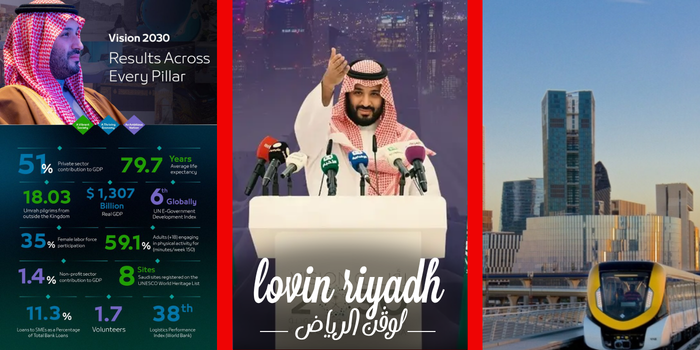

The reassessment ofSaudi Arabia’s Vision 2030 in early 2026 marked a strategic pivot toward pragmatic economic modernization, emphasizing foreign investment attraction, competition with the UAE, and a shift from grandiose giga projects to targeted sectors like artificial intelligence and tourism. However, the recent war triggered by the US-Israeli attack on Iran has introduced profound systemic risks, undermining the economic stability and investor confidence that were central to this recalibration. The conflict has not only disrupted physical infrastructure but also eroded the Gulf’s reputation as a secure haven for sovereign capital, complicating efforts to attract venture capital and multinational corporations. This crisis underscores the intrinsic link between regional geopolitical stability and the implementation of long-term economic agendas, revealing Saudi Arabia’s continued vulnerability to external shocks despite its efforts to diversify.
The war’s impact on sovereign capital and venture capital flows is particularly acute, as uncertainty surrounding conflict duration and regional security has deterred institutional investors. The Gulf’s traditional advantages—proximity to energy markets, strategic logistics hubs, and existing infrastructure—are now overshadowed by risks of prolonged instability and retaliatory measures. Venture capital, which has been a cornerstone of Vision 2030’s tech and innovation drive, faces heightened scrutiny due to the war’s disruption of supply chains and talent migration. Meanwhile, sovereign capital, reliant on both domestic reserves and foreign inflows, is under pressure to prioritize short-term liquidity over long-term speculative ventures. The EU’s role as a key stakeholder in Vision 2030 now carries added weight, requiring balanced diplomatic engagement to mitigate risks while maintaining economic ties with both Saudi Arabia and the UAE, lest the region’s capital markets fragment under geopolitical gridlock.
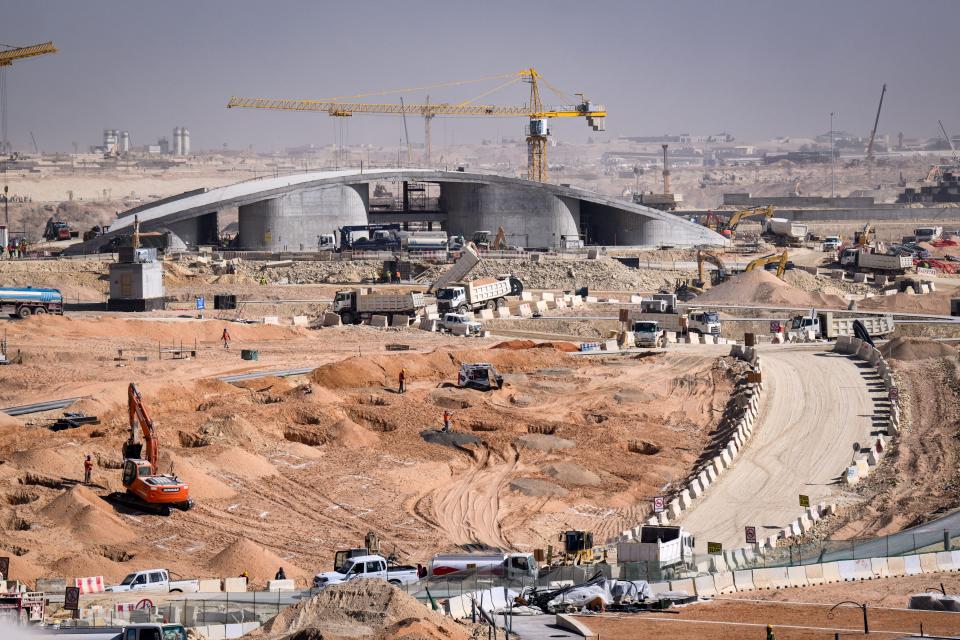
The implications for regional infrastructure are equally critical, with delayed or canceled projects in AI, tourism, and manufacturing signaling a contraction in cross-border investments. The war has compelled Saudi authorities to reassess infrastructure priorities, potentially shifting focus toward defensive or resilient systems rather than high-profile developments. This shift could slow progress in sectors dependent on regional stability, such as tourism recovery and tech ecosystem growth. Moreover, the conflict’s ripple effects—ranging from energy price volatility to disrupted trade routes—pose a threat to the interconnected infrastructure of the MENA region, where security and economic development are inextricably linked. The EU’s ability to support Saudi Arabia’s Vision 2030 reassessment will hinge on its capacity to navigate these challenges, ensuring that regional infrastructure projects align with both economic necessities and geopolitical realities.