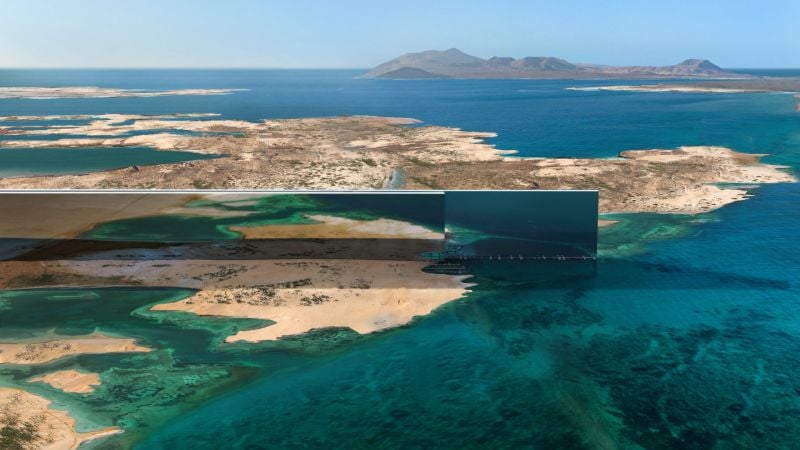

Muhammad bin Salman’s Vision 2030, unveiled a decade ago, represents a transformative pivot for Saudi Arabia’s economic architecture. The initiative sought to dismantle the kingdom’s decades-long hydrocarbon-centric model by fostering diversification Through the establishment of business, tourism, and entertainment enclaves. Central to this strategy is Neom’s The Line, a hyper-modern infrastructure project symbolizing a commitment to futuristic urban planning. This shift carries profound business implications for the MENA region, as Saudi Arabia positions itself as a regional economic powerhouse. The success of Vision 2030 could catalyze cross-border investments, urging Gulf counterparts to emulate such sovereign-led diversification. Conversely, missteps in execution risk exacerbating regional technological stagnation and undermining foreign capital inflows critical to broader economic resilience.
The interplay between sovereign capital investments and venture capital ecosystems marks a pivotal development. Saudi Arabia’s Public Investment Fund (PIF) has channeled billions into both domestic and international ventures, setting a precedent for leveraging state funds to drive innovation. This approach not only bolsters sovereign wealth but also creates fertile ground for venture capital activity in sectors like fintech, artificial intelligence, and renewable energy. Regionally, the influx of sovereign capital has spurred VC interest in MENA, as global investors seek undervalued markets with emerging demand. However, the politicization of some projects—such as controversial tech hubs—has introduced volatility, complicating cross-border deals and deterring risk-averse capital from engaging fully with the region’s evolving regulatory frameworks.
Regional infrastructure initiatives under Vision 2030, particularly The Line and interconnected projects like Qiddiya or Boulevard Riyadh, redefine MENA’s physical and digital connectivity. These developments emphasize smart infrastructure, blending transportation networks with advanced data systems to support logistics and tourism. For neighboring states, such projects serve as aspirational models, incentivizing investments in tech-enabled urbanization. Yet, the costs of replication—needing comparable capital and governance frameworks—pose challenges. Sustainable regional growth will hinge on collaborative frameworks that harmonize infrastructure ambitions with economic policy, ensuring that infrastructure investments translate into tangible business and societal returns rather than isolated vanity projects.