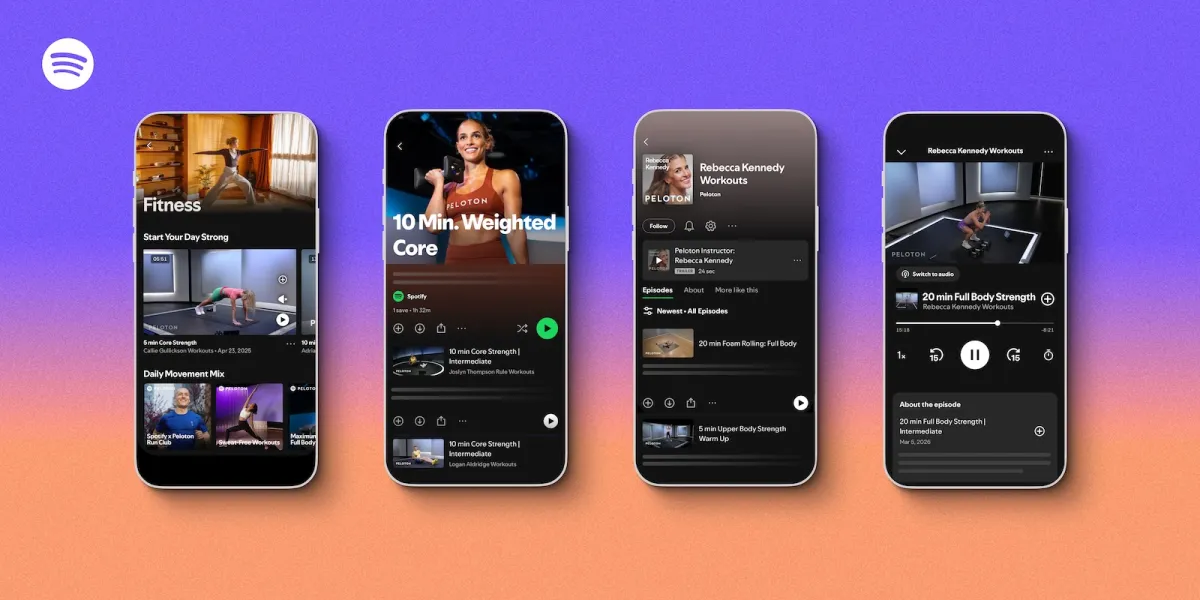

Spotify’s expansioninto fitness content represents a strategic pivot with significant business implications for its operations in the Middle East and North Africa (MENA) region. By leveraging user data indicating that 70% of Premium subscribers engage in monthly exercise routines, the move aligns with growing demand for multifunctional digital platforms. In MENA, where mobile internet penetration is high but digital entertainment offerings remain fragmented, Spotify’s fitness hub could accelerate adoption of its Premium tier, thereby enhancing monetization potential. This diversification also taps into a demographic shift toward holistic wellness, a trend resonating across the region. However, success will depend on localized content adaptation, as fitness preferences and cultural norms vary widely. Sovereign capitals in MENA, increasingly focused on diversifying economies through digital infrastructure, may view such initiatives as viable investments, provided they align with national digital transformation agendas. The expansion could also stimulate competition among regional telecoms and cloud providers to support data-heavy streaming services, a critical consideration for platforms reliant on seamless video and interactive content delivery.
From a venture capital perspective, Spotify’s fitness venture underscores the region’s appetite for hybrid digital ecosystems that combine entertainment with utility. MENA’s venture capital landscape, though still nascent compared to Silicon Valley, has shown interest in mid-market consumer tech solutions. The partnership with Peloton and emphasis on on-demand content could signal opportunities for local startups to develop tailored fitness or wellness applications, potentially attracting VC funding aimed at creating region-specific value propositions. However, the sustainability of such ventures hinges on the availability of reliable digital infrastructure and regulatory clarity. Governments in the region, eager to foster homegrown tech ecosystems, may need to address data localization concerns and incentivize partnerships between global platforms and local innovators. Additionally, the fragmentation of MENA’s consumer base—spanning multiple languages and cultural contexts—poses challenges for scaling, requiring tailored content strategies that resonate across diverse markets.
The infrastructure implications of Spotify’s fitness expansion are particularly salient for MENA’s digital landscape. Delivering high-quality video and integrated media requires robust last-mile connectivity, a domain where regions like the Gulf Cooperation Council (GCC) have made strides but still face gaps in bandwidth consistency. Local sovereign capitals may need to allocate resources toward expanding fiber-optic networks or incentivizing satellite-based solutions to ensure equitable access. Furthermore, the API-driven nature of Spotify’s platform necessitates collaboration with regional cloud providers to mitigate latency issues, a common barrier in parts of North Africa and the Levant. This could catalyze investment in MENA-specific data centers or edge computing solutions, aligning with broader regional efforts to reduce dependency on global cloud infrastructures. While Spotify’s player-centric approach—allowing users to toggle off videos—may mitigate some friction, the success of fitness content in MENA will ultimately depend on infrastructure parity. If regional governments prioritize such investments, Spotify’s move could serve as a catalyst for broader digital resilience, reinforcing the region’s role in the global app economy.