
Washington’s abrupt recalibration of high-visibility diplomatic gatherings carries material implications for MENA sovereign balance sheets and the deployment of strategic capital. Against a backdrop of tightening global liquidity and elevated risk premia, Gulf and North African authorities have increasingly treated protocol-intensive events in the United States as signaling venues for reinforcing bilateral credit narratives and anchoring foreign investor expectations. A postponement or compression of these forums reduces near-term windows for ministries of finance and wealth funds to shape market psychology, potentially forcing a re-sequencing of treasury roadshows, benchmark issuance calendars, and strategic stake sales designed to widen the investor base beyond traditional hydrocarbon allocators.
For regional venture and growth capital, the diplomatic calendar functions as a de-risking and pipeline accelerator. Institutional limited partners from Riyadh to Abu Dhabi and Doha rely on concentrated access to U.S. political and technology leadership to validate allocation theses in frontier technology, defense-tech, climate adaptation, and critical logistics. Delays compress the due-diligence runway for cross-border funds targeting dual-use innovation and semiconductor adjacent value chains, pushing sponsor capital toward intra-GCC co-investment structures and MENA-based special purpose vehicles that offer jurisdictional clarity and faster termsheet closure. The net effect is a reinforcement of regional anchor-investor centrality and a marginal shift of late-stage risk capital from external Bay Area ecosystems to scaled platforms in the Gulf.
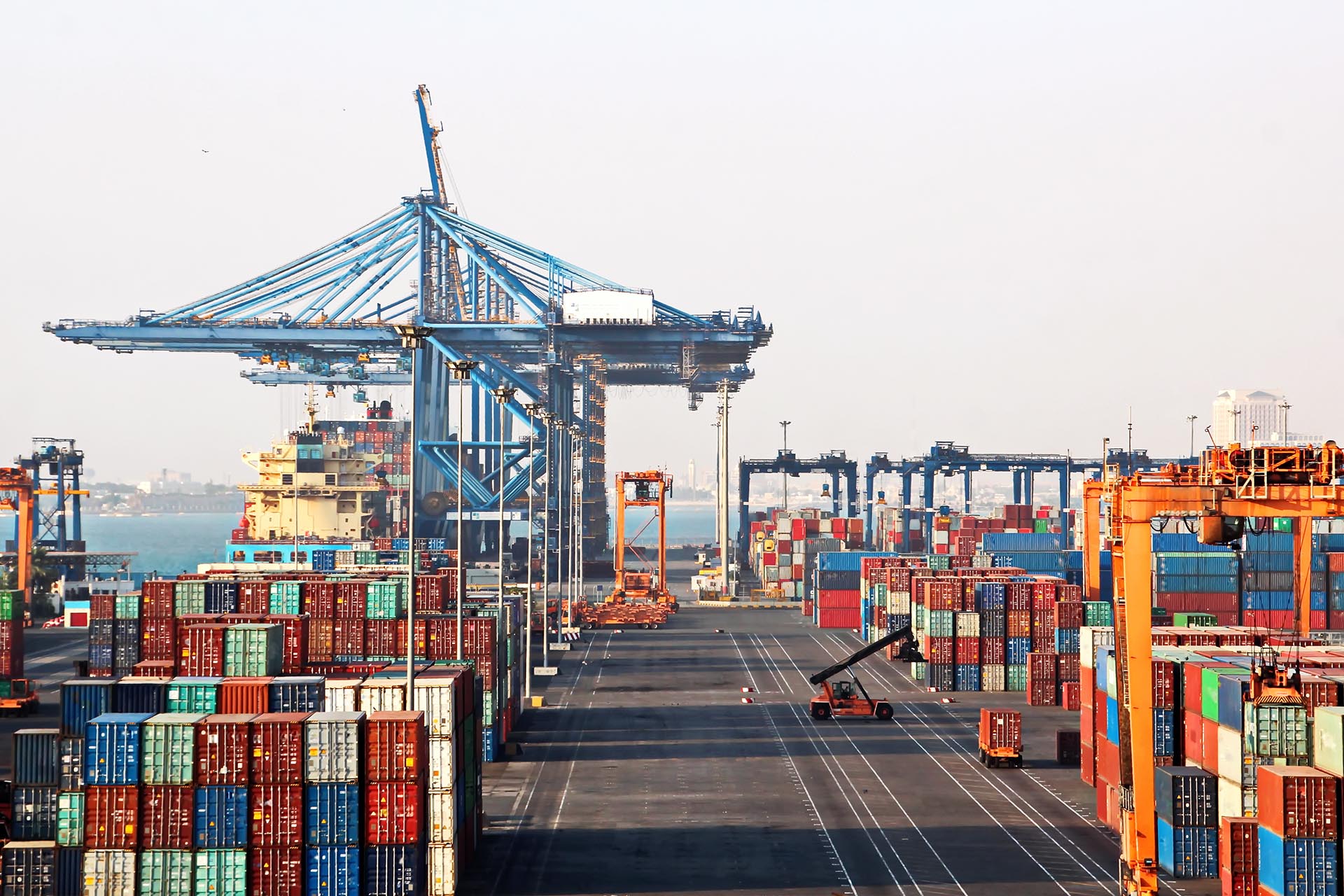
Infrastructure implications compound as sovereign-backed operators recalibrate project finance and procurement timelines tied to U.S. Export-Import Bank facilities, development finance guarantees, and technology transfer protocols. Port, logistics, and data-center rollouts from Tangier to Oman depend on predictable diplomatic channels to secure equipment clearances, spectrum alignment, and debt tenors benchmarked to U.S. dollar funding markets. With that predictability disrupted, we expect accelerated substitution toward multi-hub financing stacks—blending Asian export credit, euro-denominated bonds, and regional liquidity pools—while state-backed developers tighten EPC contracting and localize vendor financing. The outcome is a more fragmented but defensively positioned infrastructure build-out, calibrated for geopolitical volatility rather than seamless trans-Atlantic integration.