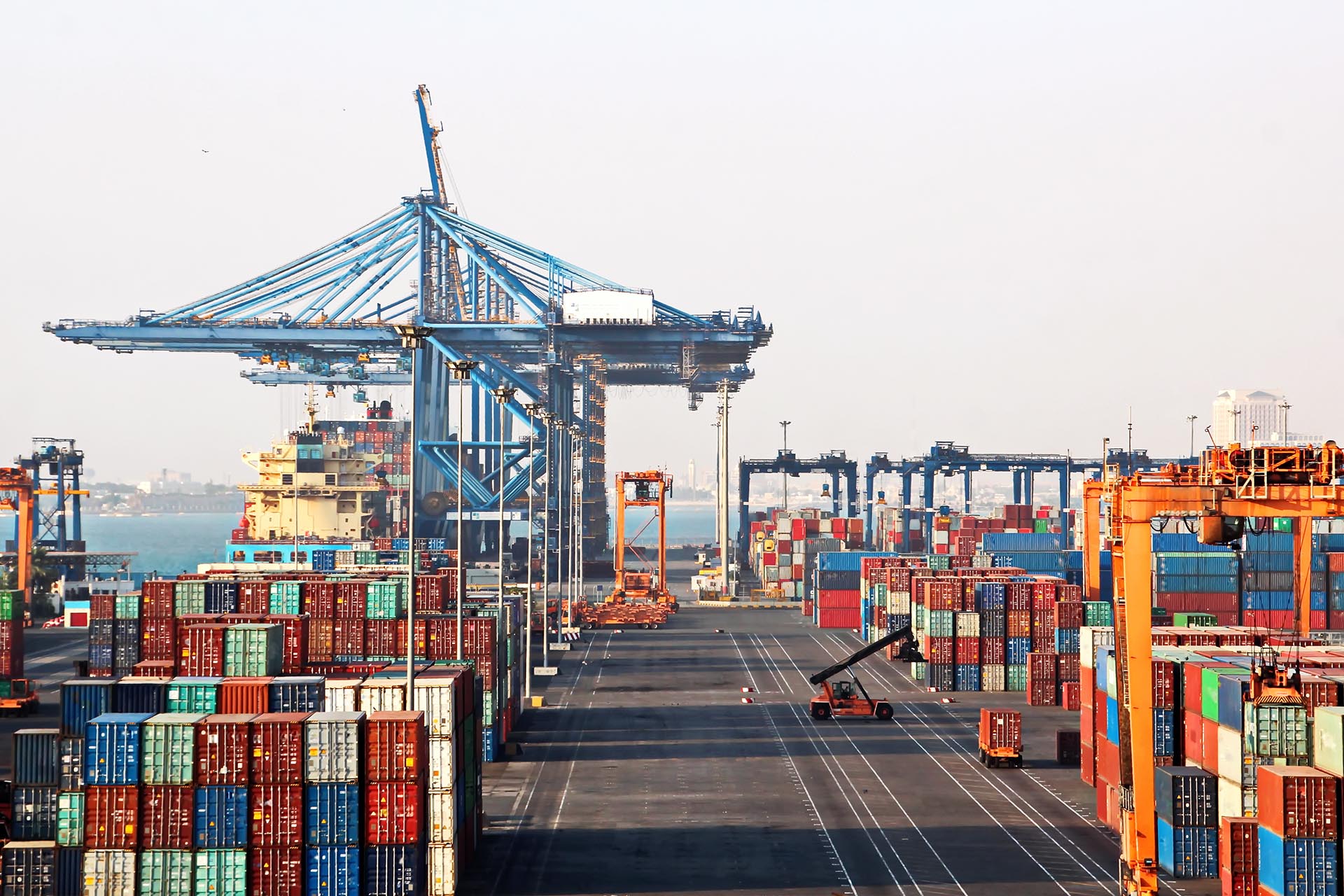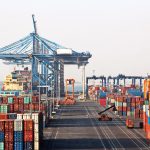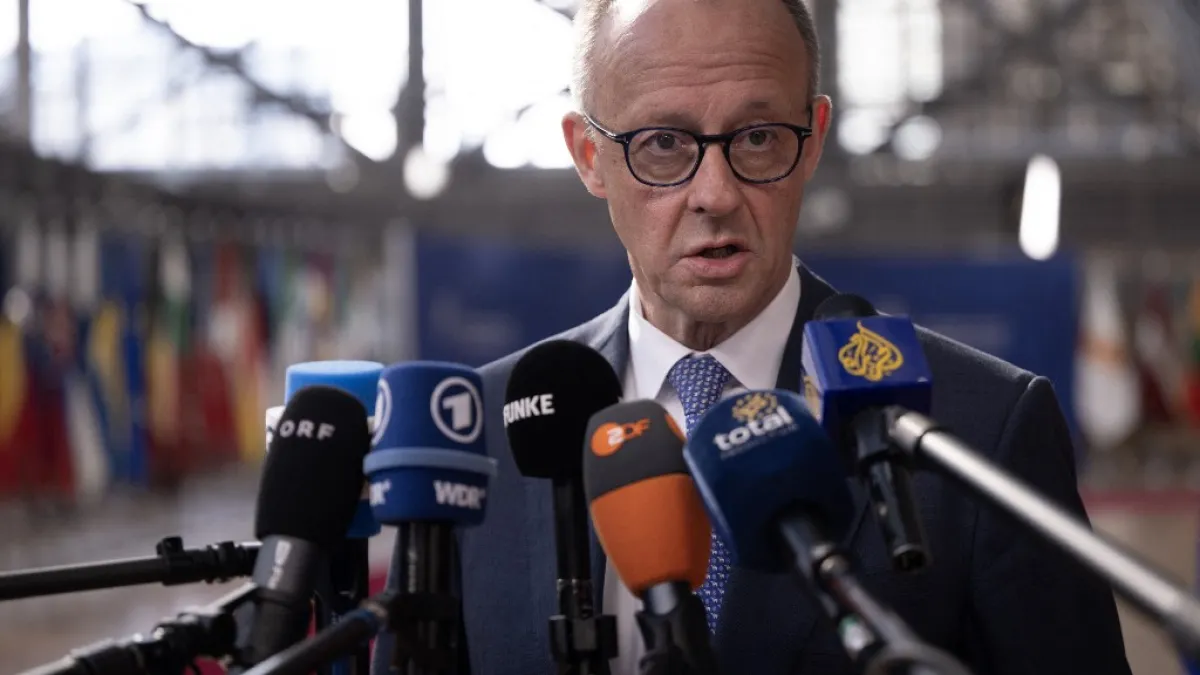

German Chancellor Friedrich Merz’s assessment of the United States’ current engagement in the conflict with Iran, characterizing it as a potential “quagmire” akin to Iraq and Afghanistan, carries significant implications for the Middle East and North Africa (MENA) region. The protracted conflict is already impacting regional energy markets and creating uncertainty that could deter crucial foreign direct investment (FDI). Beyond the immediate geopolitical risk, the situation underscores vulnerabilities in regional infrastructure, particularly maritime trade routes like the Strait of Hormuz, a critical artery for global energy supplies. The potential for further escalation necessitates a reassessment of supply chain resilience and investment in alternative energy sources across the region.
A prolonged conflict will likely exert considerable pressure on sovereign capital within the MENA region. Increased volatility in global energy prices and disruptions to financial flows could impact budgetary stability in several nations. Furthermore, the escalating geopolitical risk may divert much-needed capital away from planned infrastructure projects – including renewable energy initiatives, digital transformation programs, and transport development – which are vital for long-term economic diversification. Regional governments will need to prioritize fiscal prudence and explore mechanisms to mitigate external shocks in order to sustain development ambitions and attract future investment. This may necessitate greater reliance on domestic capital markets and a renewed focus on attracting patient, long-term investment.
The venture capital ecosystem in the region faces both headwinds and potential opportunities. While overall investment activity may slow amidst uncertainty, sectors focused on cybersecurity, resilient infrastructure technologies, and alternative energy solutions are likely to receive increased attention. Investors will likely scrutinize business models that demonstrate adaptability and robustness in the face of geopolitical risk. The conflict could accelerate the adoption of digital technologies designed to enhance supply chain visibility and operational efficiency, creating demand for regional tech companies specializing in these areas. Furthermore, the need to secure critical infrastructure may spur investment in advanced monitoring and protection systems, presenting a niche opportunity for specialized VC firms.
The indirect consequences for regional infrastructure are substantial. Beyond the Strait of Hormuz, the conflict raises concerns about the security of critical energy pipelines and transportation networks across the MENA region. Governments will likely increase investment in cybersecurity measures to protect digital infrastructure and bolster physical security protocols for vital assets. The need for greater regional cooperation on infrastructure resilience will become increasingly apparent, potentially leading to collaborative projects focused on shared security and logistical solutions. Ultimately, the long-term impact on infrastructure development hinges on de-escalation of the conflict and a renewed focus on fostering a stable and predictable investment climate to attract the capital needed for sustainable growth across the MENA region.