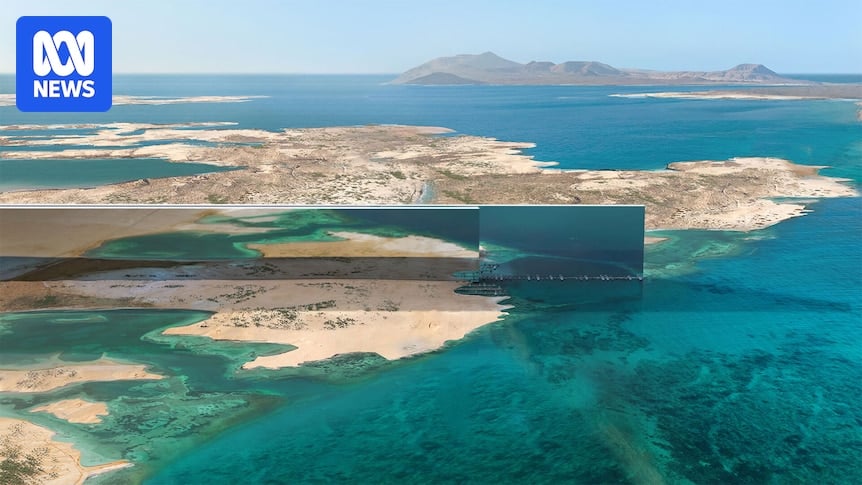

OpenAI’s recent failure to meet internal revenue targets underscores the growing friction between the exponential ambitions of AI developers and the structural constraints of global capital flows. For the Middle East and North Africa (MENA) region, this outcome carries significant strategic implications, particularly as sovereign wealth funds and venture capital increasingly channel resources into AI-driven innovation. While the direct financial fallout remains contained, the broader risk lies in how this development reshapes investor confidence in speculative technology ventures—a sector MENA nations have aggressively prioritized to diversify economies reliant on hydrocarbons and tourism. Countries like Saudi Arabia and the UAE, which have injected billions into AI initiatives such as NEOM and G42, now face heightened scrutiny over the scalability of their bets, potentially triggering a recalibration of capital allocation toward more defensible assets.
The missed target also highlights vulnerabilities in the AI supply chain, a critical concern for MENA’s sovereign and private investors. Regional governments, observing the centralization of AI innovation in the U.S. and China, have sought to mitigate dependency through sovereign wealth investments in startups and infrastructure projects. However, OpenAI’s struggles serve as a cautionary tale about the risks of overconcentration in single-platform ecosystems. This could catalyze a shift toward decentralized AI architectures, aligning with MENA’s regional infrastructure ambitions, such as undersea cable networks and data center expansions. Venture capital firms in the GCC, already cautious after a regional liquidity crunch last year, may now double down on localized AI solutions that address immediate needs like climate adaptation and food security, rather than pursuing speculative bets on generic large language models.
Infrastructure development in MENA, particularly in energy and digital connectivity, will play a pivotal role in determining the region’s ability to capitalize on AI’s long-term potential. For instance, nations investing in green hydrogen production or smart grid technologies could position themselves as preferred partners for AI firms seeking to offload computational workloads to energy-efficient hubs. Conversely, the risk of infrastructural bottlenecks—such as power shortages or underdeveloped telecom networks—remains acute, necessitating urgent public-private collaboration. As OpenAI grapples with revenue shortfalls, MENA’s policymakers must balance the allure of cutting-edge technology with pragmatic investments in foundational infrastructure, ensuring regional competitiveness in an increasingly fragmented global tech landscape.