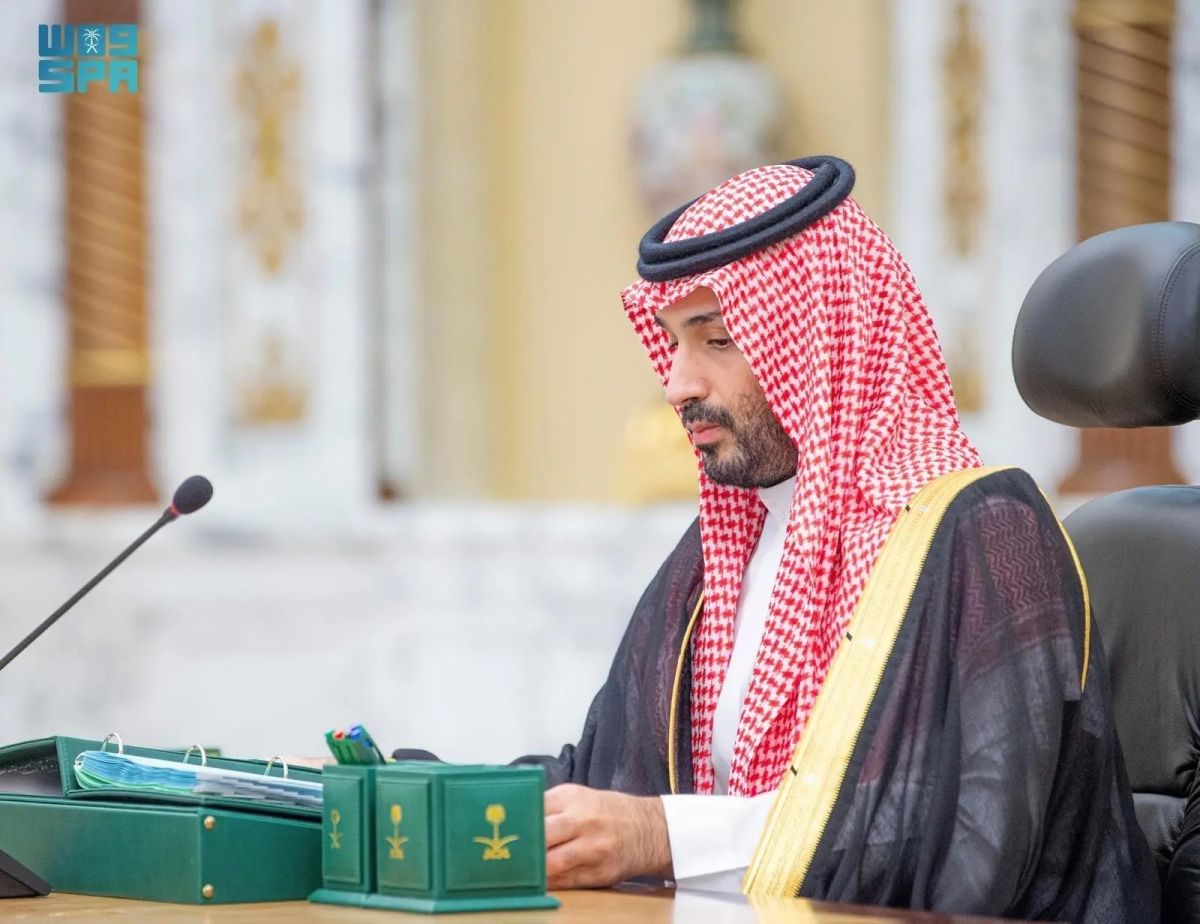

The Saudi Cabinet’s latest session, chaired by Crown Prince Mohammed bin Salman, confirms that the first two phases of Vision 2030 have delivered on 93% of key performance indicators tied to non-oil economic diversification, a milestone that validates the Kingdom’s $1tn+ sovereign capital deployment strategy via the Public Investment Fund (PIF) and accompanying regulatory overhauls. The Council of Ministers’ formal recognition of progress in expanding non-oil production and investment bases signals to global institutional investors, venture capital allocators, and multinational corporations that Riyadh’s structural reforms have reduced policy risk sufficiently to accelerate private capital inflows into sectors ranging from advanced manufacturing to green hydrogen. This is not merely a domestic policy update: the 93% KPI hit rate, paired with legislative shifts that empower sector-specific growth, positions Saudi Arabia as the primary anchor for MENA’s broader economic rebalancing away from hydrocarbon dependence.
Notably, the Cabinet’s commendation of government progress on the 2026 Emerging Technologies Adoption Readiness Index underscores a deliberate sovereign push to build digital infrastructure that can capture regional VC flows and anchor MENA’s growing tech ecosystem. Riyadh’s approval of cross-border memoranda of understanding covering energy cooperation with Colombia, direct investment promotion with Qatar, and customs alignment with Nigeria reflects a strategic expansion of infrastructure and capital flow linkages beyond the Gulf, designed to reduce friction for both sovereign and private capital deployment across emerging markets. The concurrent endorsement of a restructured Ministry of Hajj and Umrah, paired with new regulations for Saudis working abroad, further streamlines operational frameworks for two of the Kingdom’s highest-margin non-oil sectors, which are slated to absorb billions in private and sovereign infrastructure investment over the next five years.
The Cabinet’s emphasis on accelerating work in Vision 2030’s third phase, coupled with the Crown Prince’s praise for GCC summit outcomes, signals a shift toward deeper regional integration that will lower barriers for cross-border VC deployment and joint sovereign infrastructure projects across the Gulf and wider MENA. As Riyadh prepares to scale non-oil sectors to meet its 2030 targets, global asset managers and regional sovereign wealth funds are already reallocating capital toward Saudi-linked supply chains, digital platforms, and renewable energy projects, with the Kingdom’s improved global competitiveness rankings further de-risking allocations for institutional investors wary of emerging market volatility. The session’s reaffirmation of Saudi Arabia’s commitment to regional stability also provides a critical backdrop for long-term infrastructure planning, as cross-border energy, logistics, and tech corridors require predictable policy environments to attract multi-decade sovereign and private capital commitments.