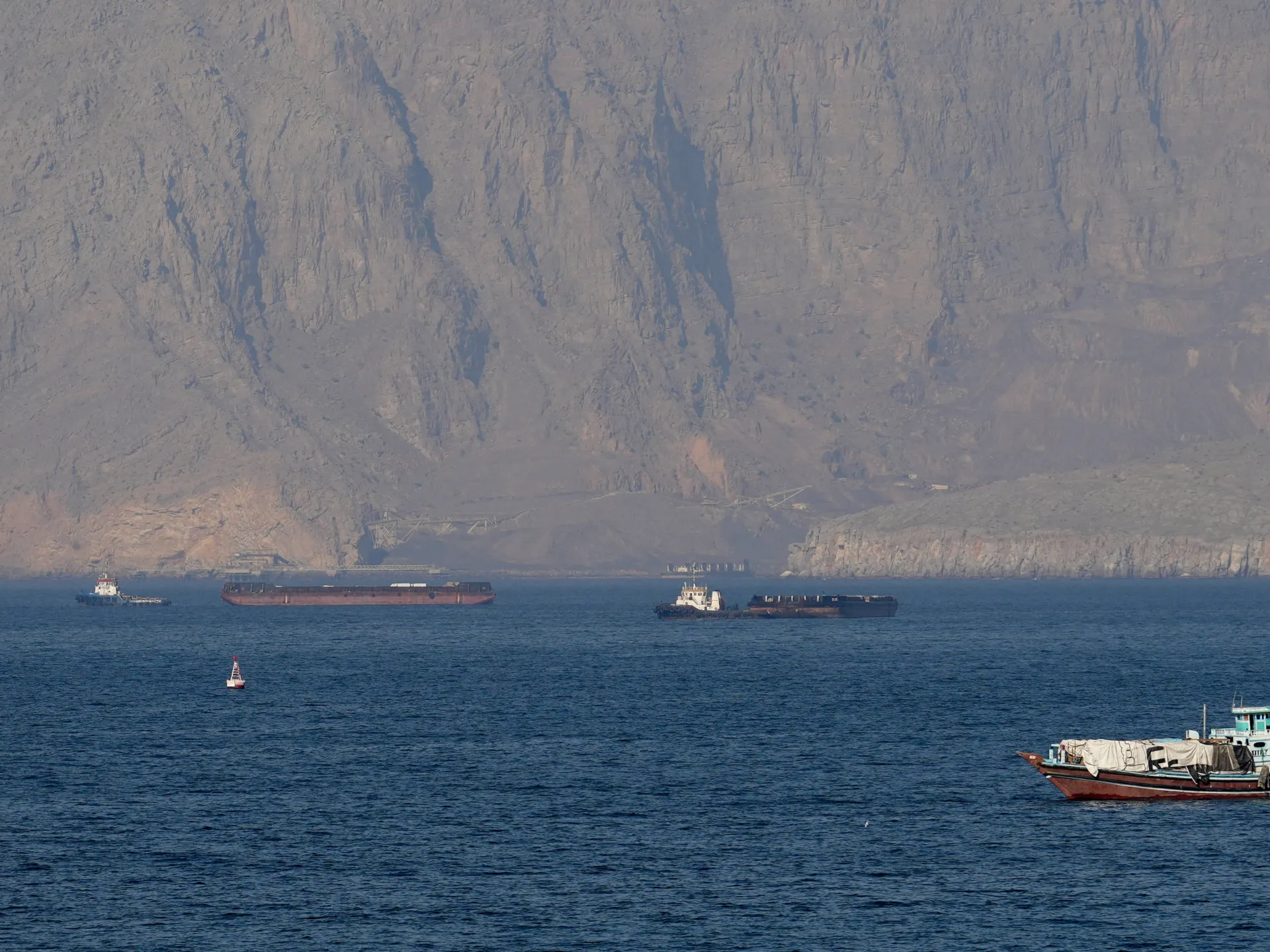

Interdiction of aid convoys in the Eastern Mediterranean—irrespective of the humanitarian framing—confirms that maritime chokepoints are once again being weaponized by state and quasi-state actors, with immediate knock-on effects for sovereign risk and capital allocation across the MENA region. For Gulf and Levantine sovereigns underwriting large-scale logistics and port-infrastructure rollouts, the incident underscores the premium on insuring strategic sealanes and on embedding jurisdictional clarity into concession agreements. Capital expenditure guidance for maritime gateways, from Ain Sokhna to Sohar, will increasingly be priced for geopolitical tail risk, compressing unleveraged returns and forcing sponsors to seek co-financing structures that distribute sovereign exposure across multilateral risk pools.
Venture and growth capital operating in trade-tech, maritime domain awareness, and regulated last-mile platforms will recalibrate deployment criteria toward dual-use resilience. Founders offering encrypted cargo-tracing, AI-driven interdiction risk analytics, and modular port-community stacks are transitioning from discretionary efficiency bets to mandatory sovereign procurement—a shift that favors institutional ticket sizes, longer tenure debt, and anchor contracts with sovereign wealth funds. Regionally, this elevates the bargaining power of limited partners demanding downside protection, while compressing entry multiples for early-stage logistics plays unless clear pathway-to-procurement is demonstrably aligned with state continuity requirements.
Infrastructure masterplans will pivot toward redundancy and regulatory sovereignty, accelerating investments in dark-fiber corridors, bonded transit hubs, and dry-port networks that reduce single-point dependence on Mediterranean transshipment. Sovereign balance sheets are likely to absorb higher risk-weightings on Mediterranean-facing terminals while redeploying surpluses into Red Sea, Arabian Gulf, and Indian Ocean intermodal estates where state-controlled throughput offers tariff stability. In effect, liquidity will follow routes that reinforce supply-chain jurisdiction: a recalibration that cements the MENA region’s strategic pivot away from contested littorals and toward integrated inland logistics estates backed by sovereign guarantees.