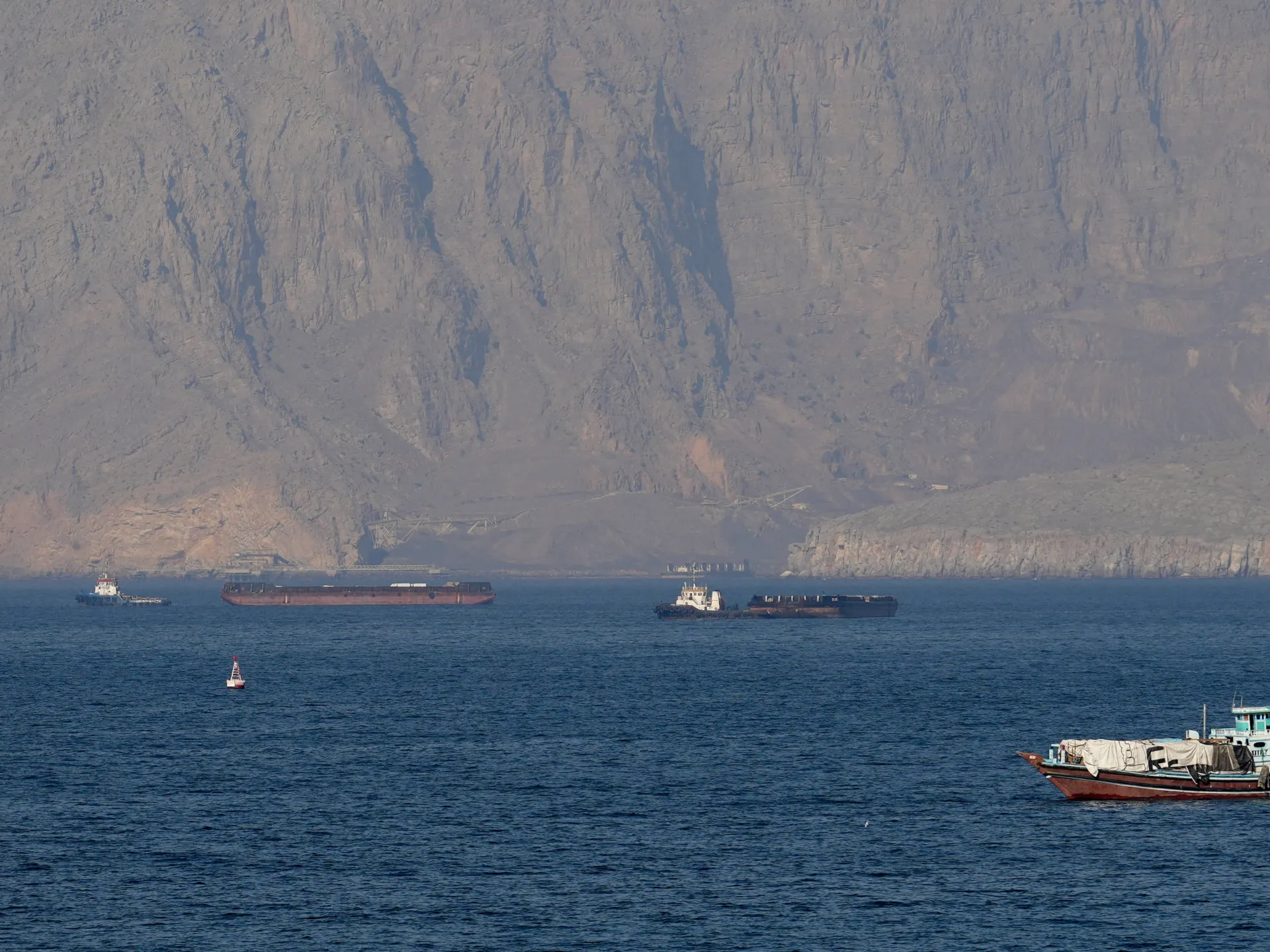

The continued flow of sanctioned Iranian crude and commodities through the Strait of Hormuz amid active hostilities reveals a fundamental restructuring of regional maritime commerce, with profound implications for Gulf sovereign wealth funds and international energy markets. Al Jazeera’s investigation documenting 202 voyages by 185 vessels during the March-April conflict period exposes a sophisticated parallel trading ecosystem that has evolved over four decades of sanctions, now representing a systemic challenge to traditional Western-dominated maritime finance infrastructure. With 61 vessels explicitly flagged on US, EU, and UN sanctions lists continuing operations while major commodity houses maintain exposure, Gulf sovereign investors face mounting pressure to develop alternative payment and logistics frameworks that can accommodate persistent Iranian trade flows without triggering secondary sanctions—a recalibration that threatens the petrodollar clearing architecture underpinning regional capital markets.
The emergence of small-scale coastal vessels circumventing IMO identification requirements carries direct implications for sovereign infrastructure investment strategies across the Gulf. These unregulated voyages, facilitated by AIS manipulation and shell companies registered in jurisdictions from Botswana to San Marino, represent a market-driven adaptation that regional port operators and logistics conglomerates must now price into their expansion plans. The concentration of operating firms in Iran (15.7%), China (13%), Greece (11%), and the UAE (9.7%) signals a strategic realignment of maritime technical expertise away from traditional European service hubs, potentially redirecting billions in annual ship agency, classification, and insurance revenues toward alternative service centers—a shift that sovereign wealth funds from Abu Dhabi to Qatar are already incorporating into their maritime sector allocations.
For regional venture capital ecosystems, the shadow fleet phenomenon validates substantial opportunities in maritime tracking technology and sanctions compliance software, sectors that attracted $2.3 billion in regional fintech investments last year. The demonstrated effectiveness of vessel-to-vessel coordination and electronic countermeasures against naval interdiction suggests that Gulf-based maritime technology startups are positioned to capture disproportionate market share in anti-sanctions infrastructure—from blockchain-based cargo documentation to alternative navigation systems resilient against GPS disruption. However, this technological arbitrage occurs against a backdrop of escalating geopolitical risk that could trigger rapid de-risking by international banks, forcing regional players to choose between maintaining correspondent relationships and preserving access to parallel trade finance channels essential for Gulf petrochemical exporters.
The broader infrastructure implications extend beyond immediate shipping concerns to challenge the strategic calculus underlying the Gulf’s $150 billion integrated logistics development program. With approximately 36% of strait traffic comprising energy carriers and sustained Iranian participation throughout all conflict phases, regional policymakers must reconsider assumptions about maritime commerce resilience embedded in national economic diversification strategies. The current detention of 20,000 sailors aboard 2,000 vessels—a humanitarian crisis described by the IMO as unprecedented since World War II—threatens the labor mobility essential for Gulf construction and services sectors, potentially disrupting the underwriting pool for regional infrastructure sukuk programs while simultaneously accelerating investment in autonomous vessel technologies that could eliminate human capital bottlenecks but require massive sovereign capital commitments to mature at scale.