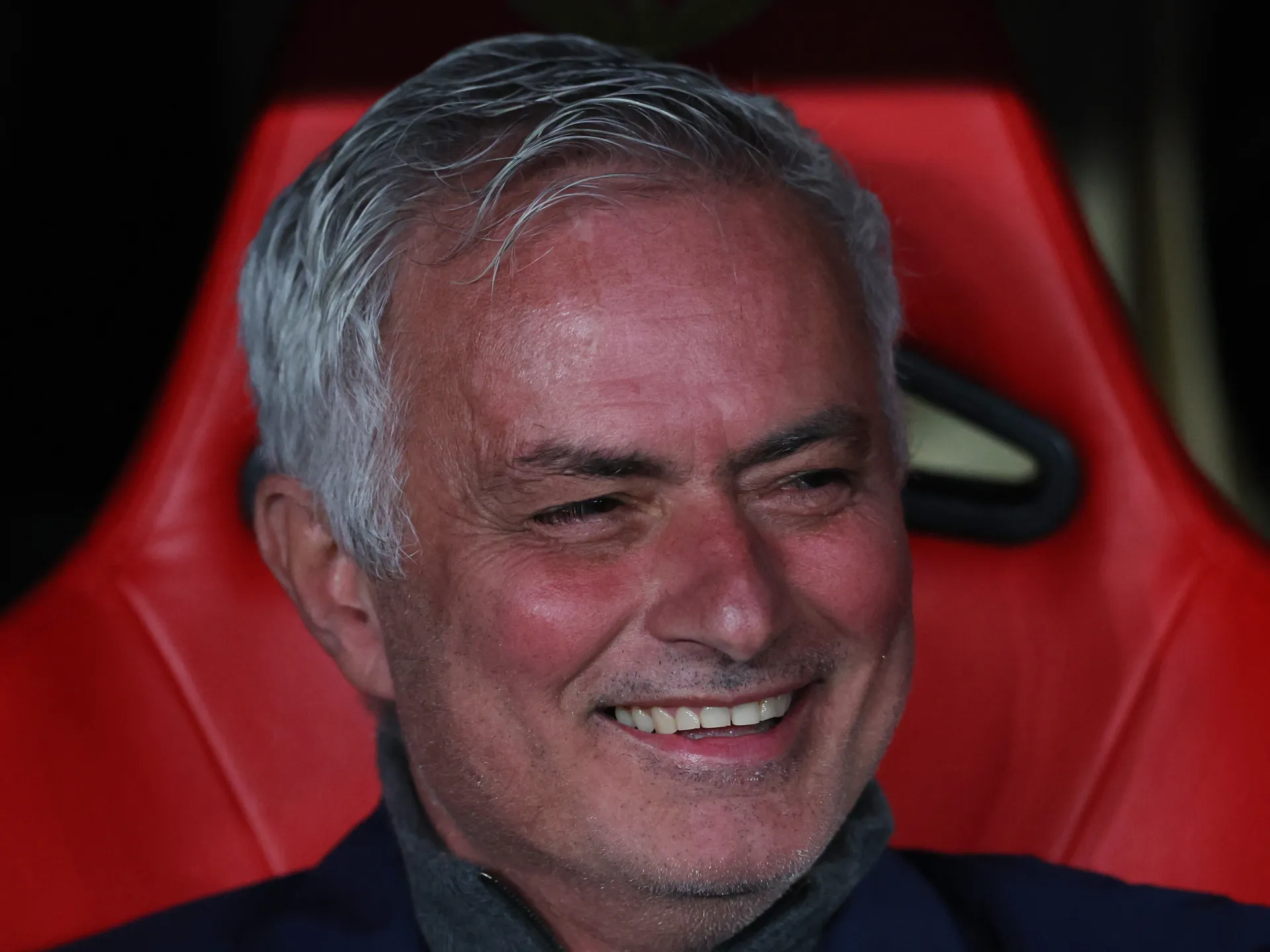

Amid intensifying speculation that José Mourinho could supplant interim manager Álvaro Arbeloa at Real Madrid, the club’s board is assessing the strategic ramifications of a high‑profile appointment, particularly how such a move would align with the sovereign capital allocations earmarked for sports‑related assets under the Kingdom’s Vision 2030 framework and the Gulf sovereign wealth funds’ broader portfolio diversification objectives.
Sovereign investors, including the Public Investment Fund of Saudi Arabia and the Abu Dhabi Investment Authority, have increasingly directed capital toward football clubs as a conduit for brand amplification and long‑term revenue streams, viewing coaching appointments as pivotal levers for enhancing commercial performance, fan engagement, and match‑day profitability; a definitive link to Mourinho would signal a decisive shift in Real Madrid’s governance calculus toward a more capital‑intensive, globally marketed model.
From a venture capital perspective, the recruitment of a figure with Mourinho’s proven track record in high‑stakes markets would unlock ancillary opportunities in sports analytics, digital fan platforms, and stadium technology, areas where European venture funds are poised to inject growth capital, thereby creating a synergistic ecosystem that reinforces the club’s operational cash flows and expands the regional sports tech pipeline.
Consequently, the broader MENA region is poised to experience heightened sovereign and private investment in football infrastructure, ranging from upgraded training facilities to broadcast rights acquisitions, as clubs seek to replicate the commercial engineering evident in Europe’s elite leagues; this trend underscores a strategic convergence of sovereign capital, venture financing, and regional economic diversification agendas centered on sports as a catalyst for wider fiscal development.