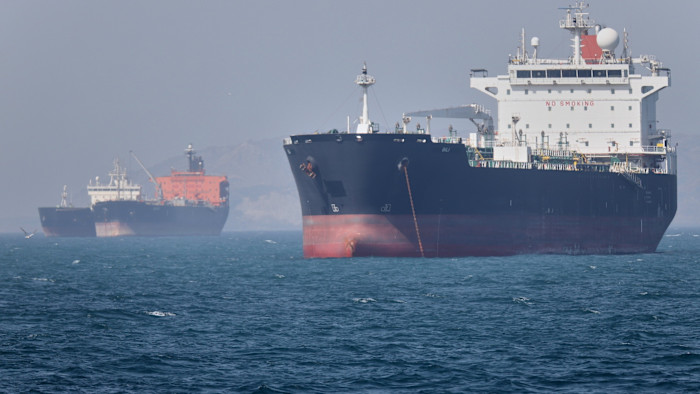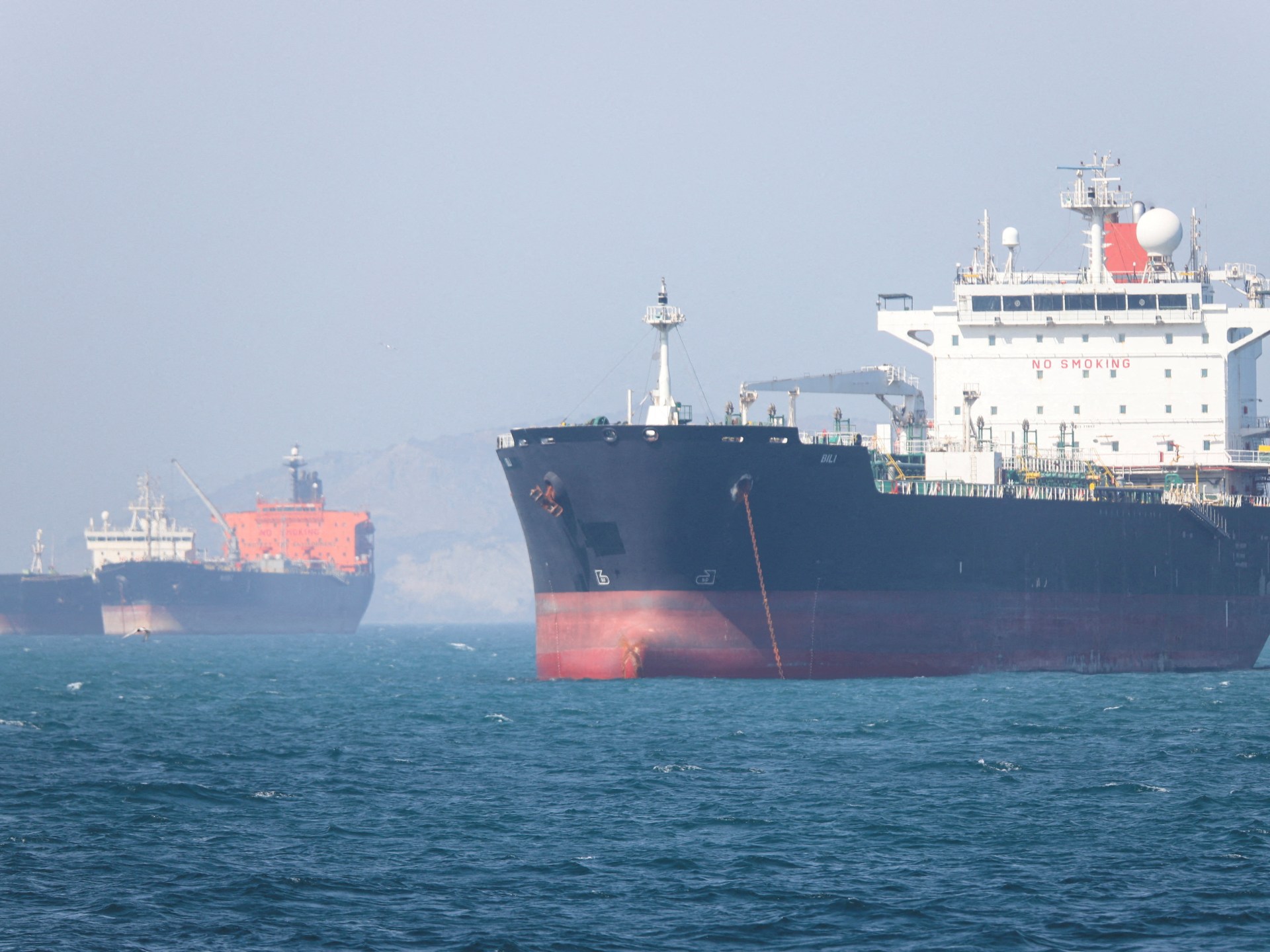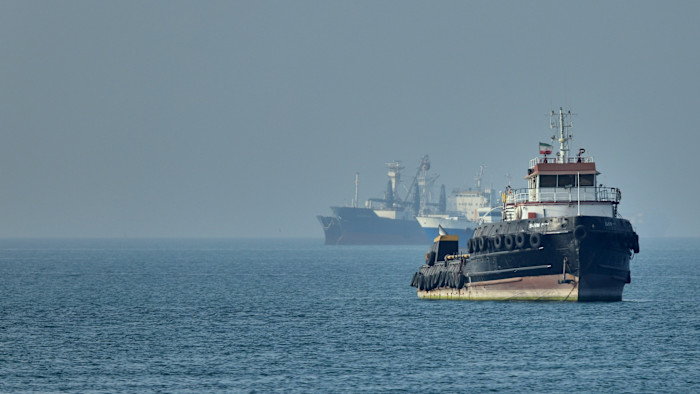

Therecent escalation of tensions between the US and Iran in the Strait of Hormuz underscores the region’s vulnerability to geopolitical shocks, with profound implications for global energy markets and business operations. The Strait of Hormuz, a critical chokepoint for 20 million barrels of daily oil shipments, has become a focal point of instability, as evidenced by the US military’s claims of intercepting Iranian drones and missiles targeting commercial vessels. This escalation, exacerbated by Iranian warnings that foreign forces entering the strait would face attacks, has sent oil prices surging—Brent crude briefly hit $115.30 a barrel—reflecting heightened risk premiums and uncertainty about future supply disruptions. For Middle Eastern economies, particularly those reliant on oil exports, the conflict amplifies financial volatility, complicating fiscal planning and export-dependent growth strategies while diverting resources toward security and crisis response.
The crisis also highlights the fragility of sovereign capital flows in the region, as geopolitical uncertainty deters long-term investments in infrastructure and economic diversification. Sovereign wealth funds, such as those in the Gulf Cooperation Council (GCC), face mounting pressure to balance regional stability with global engagement, particularly as tensions risk alienating key Western partners. Meanwhile, Iran’s economic isolation, compounded by international sanctions and the current conflict, threatens its ability to access international capital markets, limiting its capacity to fund domestic projects or stabilize its currency. For the broader MENA region, this underscores the need for robust sovereign financial frameworks to mitigate risks associated with recurring security shocks and to maintain investor confidence amid volatile global dynamics.
Venture capital activity in the Middle East and North Africa is likely to face headwinds as the conflict disrupts investor sentiment and operational continuity. While the region’s tech ecosystem has grown rapidly, the current instability could discourage both local and international investors from committing capital to startups, particularly in sectors sensitive to global supply chains or regional security. However, the crisis may also catalyze a shift toward resilience-driven investments, with a focus on technologies that address energy security, cyber defense, and crisis management. Countries like the UAE and Oman, which have prioritized tech innovation, may leverage the turmoil to accelerate state-backed initiatives aimed at reducing reliance on volatile oil revenues and fostering domestic entrepreneurship.
Regional infrastructure, particularly in transportation and energy, is under renewed scrutiny as the Strait of Hormuz crisis tests the resilience of Middle Eastern supply chains. The conflict’s potential to disrupt maritime logistics has renewed calls for regional cooperation to secure critical chokepoints and diversify energy routes, reducing dependence on single corridors vulnerable to geopolitical tensions. Additionally, the economic fallout from the crisis could spur investments in alternative infrastructure, such as renewable energy projects and digital connectivity, to decouple growth from fossil fuel dependencies. However, such initiatives require sustained political will and cross-border collaboration, which remain challenging amid the current adversarial climate between major regional powers.