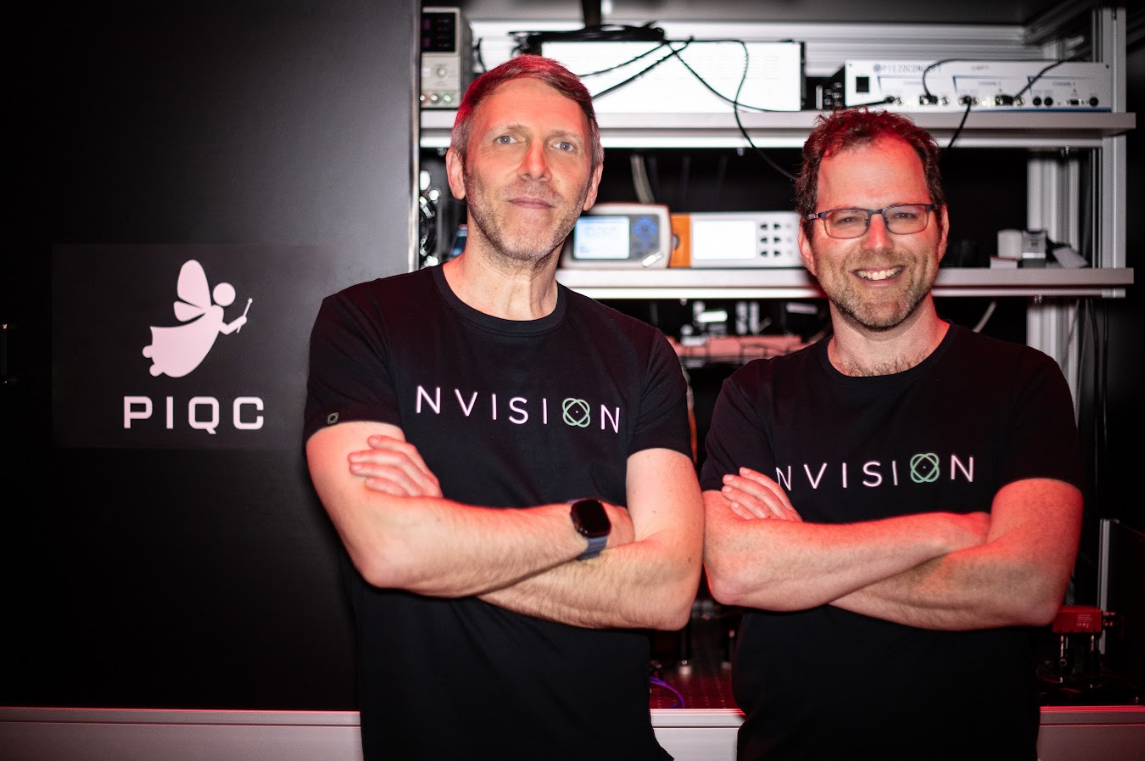

The $65 million Series A financing secured by Star Catcher represents a pivotal moment for space infrastructure development, with profound implications for MENA sovereign wealth funds and national space strategies. The company’s advancement of optical power beaming technology—capable of wirelessly transmitting electricity via laser systems to orbiting satellites—addresses critical power limitations constraining the regional satellite economy. This innovation arrives as Gulf states accelerate their space ambitions, with the UAE establishing itself as a regional leader through initiatives like the Hope Mars Mission and Saudi Arabia’s recent establishment of the Saudi Space Authority under Vision 2030. Sovereign investors across the region are increasingly viewing orbital infrastructure as strategic assets complementing terrestrial investments.
The participation of B Capital, Cerberus Capital Management’s venture arm, and Shield Capital signals institutional validation of what analysts classify as critical space infrastructure. For MENA investors, this sector presents compelling portfolio diversification opportunities aligned with national security priorities. The inclusion of retired Space Force chief John “Jay” Raymond on Star Catcher’s board underscores the defense applications that resonate strongly with Gulf military modernization programs. Regional sovereign wealth funds—including Mubadala, Saudi PIF, and Qatar Investment Authority—have been actively evaluating space technology opportunities as part of broader economic diversification strategies beyond hydrocarbons.
The Middle East’s growing satellite communications market, valued at approximately $8.2 billion and projected to reach $15 billion by 2028, stands to benefit significantly from enabling technologies that extend spacecraft operational lifespans and reduce orbital debris risks. Star Catcher’s power purchase agreements and U.S. Air Force partnerships demonstrate the dual-use commercial-defense applications that attract MENA defense budgets increasingly focused on indigenous capabilities. The region’s strategic position for space operations, coupled with substantial capital reserves, positions Gulf investors as natural partners for scaling orbital infrastructure projects requiring long-term capital commitments.
This financing milestone occurs against a backdrop of intensifying competition among MENA nations to establish regional leadership in the emerging space economy. The Kingdom of Saudi Arabia’s recent partnership announcements with international space agencies and the UAE’s planned lunar rover mission highlight growing regional recognition that space infrastructure investments today yield technological sovereignty tomorrow. As traditional venture capital markets face volatility, Star Catcher’s successful fundraising suggests institutional investors—including MENA sovereign entities—are recognizing orbital infrastructure as a new asset class essential for maintaining competitive advantage in the fourth industrial revolution.