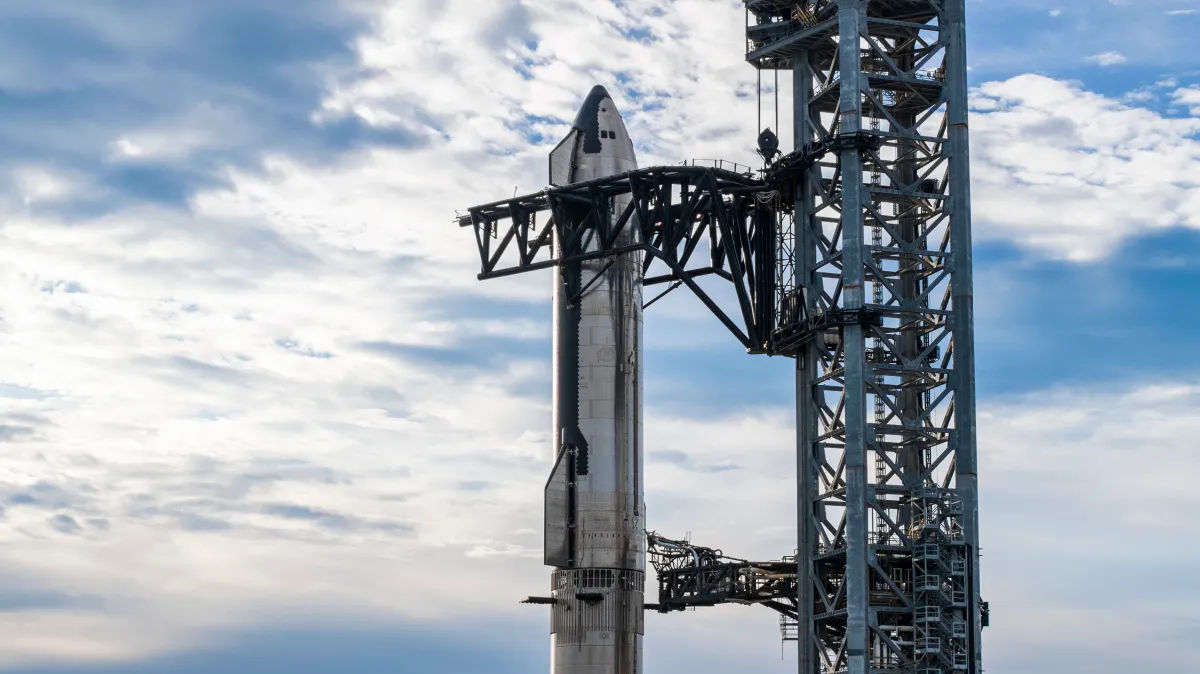

Google’s foray into orbital data centers alongside SpaceX heralds a significant transformation in the landscape of digital infrastructure, with profound implications for the corporate, sovereign, and technological sectors in the MENA region.
The burgeoning initiative, one of the most ambitious etched into the realm of technology-to-spaceport operations, could redefine the business dynamics influencing the MENA economy. As tech companies and elites invest in future-ready tech, the potential influx of venture capital should manifest, attracting both domestic and international investors. This shift, underpinned by the premise that space offers a more scalable and inexpensive platform than terrestrial operations, could catalyze a new era of cloud-computing alliances and data-centric partnerships, particularly in a tech-savvy region receptive to such innovations.
On the sovereign front, the implications of infrastructure now being constructed in orbital space could boost nations’ technological turning points by lowering the data threshold and expanding the region’s cyber-security reach, making it resilient to geopolitical shifts and cyber-attacks. However, it simultaneously brings forth geopolitical tensions and strategic concerns akin to managing global competition in the 5G arena. Keeping pace with the unpredictable volatility of space politics, countries in the region may need to strengthen cybersecurity protocols and potentially sign treaties that reflect the new balance of power.
While the talk of space data centers has generated hyped passages by proponents, the reality lies in the execution’s legality, technical feasibility, and international regulations. The cost of employing orbiting data centers over traditional terrestrial routes is still temperamental and requires cost-to-profit analysis. Factors such as the international regulations and space treaties need to be mainstreamed in the discourse. In the absence of clear demarcations and agreements, green light for such projects may not exist. Further, there are gaps to fill from an algorithmic perspective to construct, acquire, and bestow orbiting AI with an ephemeral advantage.
The investment Google has already tapped into through its stake in SpaceX indicates a continued commitment to this visionary concept, increasing the impetus on the viability of the investment project. The potential to synergize together to faster roam info and deliver quicker articulation may render ground-based networks obsolete.