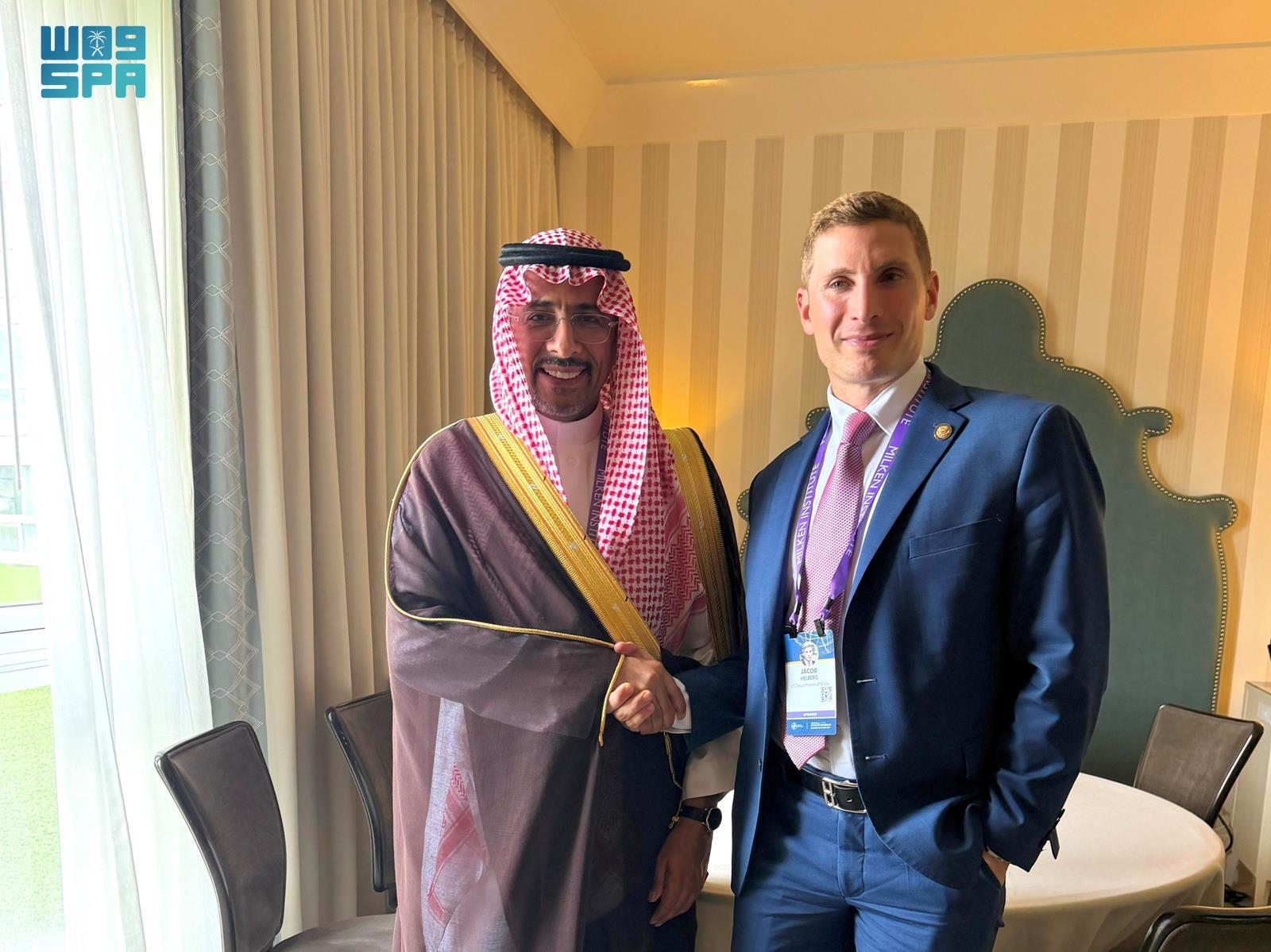

Saudi Arabia’s Ministry of Industry and Mineral Resources signaled a decisive pivot toward deepening cross‑border capital flows as it negotiated a suite of joint‑venture frameworks with senior delegations from the United States and France. The talks, held in Riyadh, focused on co‑financing large‑scale mining projects and the establishment of an integrated industrial corridor linking the Kingdom’s Red Sea ports to the Gulf Cooperation Council’s emerging logistics hubs. By mobilising sovereign wealth—chiefly from the Public Investment Fund (PIF)—to underwrite up to $10 billion of equity in downstream processing facilities, Saudi Arabia aims to cement its role as a regional hub for value‑added mineral production and to diversify revenue streams away from hydrocarbons.
For venture capital firms, the announced partnership creates a funnel for early‑stage financing of technology platforms that enable ore extraction, beneficiation, and digital supply‑chain management. U.S. and French sovereign investors are expected to contribute not only capital but also expertise in automation, AI‑driven asset monitoring, and green‑hydrogen integration, thereby lowering the cost of capital for high‑risk, high‑return projects. This convergence of public funds with private‑equity appetites is likely to stimulate a “venture‑to‑scale” pipeline, accelerating the commercialization of next‑generation mining technologies across the MENA region.
Infrastructure implications are equally profound. The joint initiatives include the financing of a 1,200‑kilometre railway linking Saudi mining zones in the north‑west to a new deep‑water terminal on the Red Sea, slated for completion by 2030. This corridor will dovetail with the Belt and Road Initiative’s maritime links, creating a trans‑regional conduit for minerals sourced from Egypt, Jordan, and Algeria. By leveraging PIF’s sovereign guarantees, the projects aim to attract syndicated loans from Euro‑zone banks, reducing financing gaps that have historically hampered large‑scale industrialisation in the Gulf.
Overall, the trilateral engagement marks a strategic inflection point for MENA’s industrial ecosystem. By aligning sovereign capital with venture capital and state‑backed infrastructure, the Kingdom is positioning itself to capture a larger share of the global metals supply chain, while offering a replicable model for other regional economies seeking to transform their resource bases into sustainable, high‑value industrial clusters.