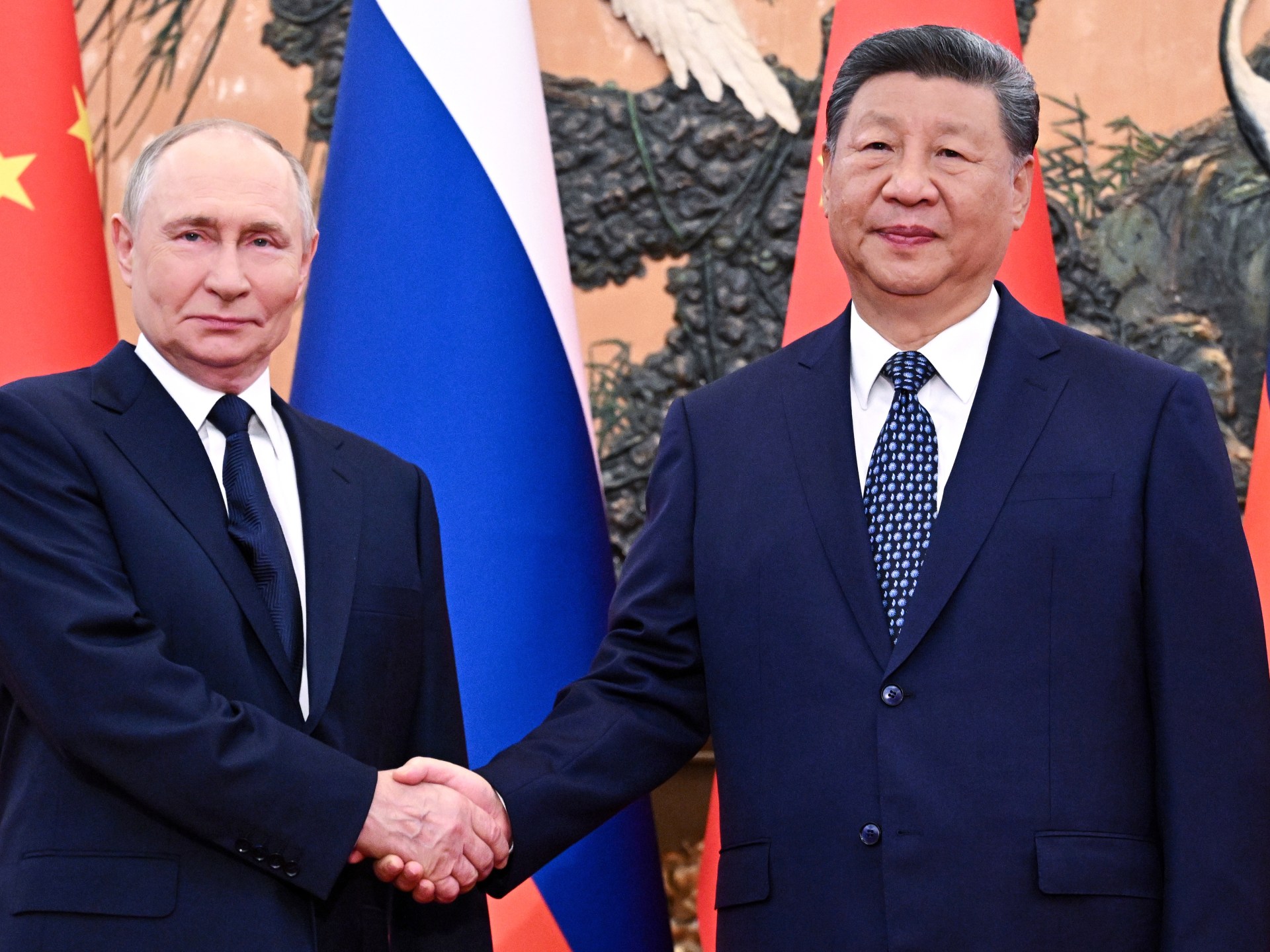

US President Donald Trump’s recent diplomatic engagement with China underscores the escalating technological rivalry between Washington and Beijing, with profound implications for the Middle East and North Africa’s strategic positioning in the global digital economy. As Gulf sovereign wealth funds and North African venture capital platforms navigate an increasingly fragmented technological landscape, the security protocols enforced upon the presidential delegation—including the mandatory surrender of sensitive communications equipment and ceremonial gifts—highlight the critical importance of trust infrastructure in an era of advanced persistent threat vectors. For MENA’s ambitious vision-driven economies, from Saudi Arabia’s NEOM to UAE’s AI aspirations, these developments necessitate unprecedented scrutiny of partnership structures and intellectual property frameworks.
The incident illuminates the growing sophistication of state-sponsored espionage capabilities that regional capitals must factor into their capital allocation decisions. With Gulf Investment Corporation assets exceeding $700 billion and MENA venture capital approaching $4 billion annually, the systematic elimination of potential surveillance vectors represents a reassessment of risk parameters that could redirect billions toward more secure technology ecosystems. North African startup ecosystems, particularly in fintech and renewable energy technologies, face heightened due diligence requirements when evaluating joint ventures with entities operating within contested digital domains, potentially constraining access to cutting-edge semiconductor innovations and artificial intelligence capabilities central to regional competitiveness agendas.
The broader strategic calculation reveals how secondary sanctions regimes and export control mechanisms increasingly constrain MENA’s ability to maintain technological neutrality. Countries like Morocco and Jordan, seeking to leverage their proximity to European markets while developing domestic semiconductor capabilities, must now navigate complex multi-lateral technology transfer restrictions that emanate from both Atlantic powers. This dynamic compresses the region’s traditional role as a bridge economy between East and West, forcing sovereign capital managers to make binary choices between access to advanced computing architectures and cybersecurity assurances—a tension that will define the next decade of regional infrastructure investment patterns.