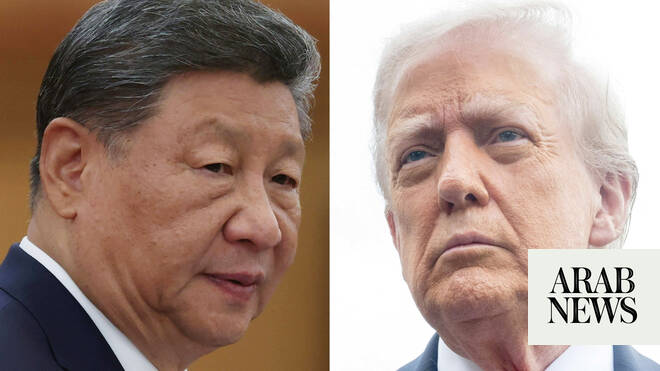

Beijing is navigating a complex geopolitical landscape as it engages in high-level diplomatic discussions with Washington, amidst heightened tensions surrounding the Strait of Hormuz. The potential visit of President Xi Jinping to the United States, anticipated late this month, is being framed primarily through the lens of economic cooperation. However, the current situation in the Persian Gulf, with Iran effectively restricting maritime transit through the waterway, is significantly impacting global energy flows and presents a substantial business risk. This disruption, largely a consequence of the US-Iran conflict, has triggered a surge in oil prices, affecting global economic stability and forcing a reassessment of energy security strategies – a critical consideration for the Middle East and North Africa (MENA) region.
The implications for regional infrastructure investment are profound. Diversifying energy sources and strengthening alternative shipping routes represents a major shift for MENA nations, many of whom heavily rely on oil exports. Sovereign wealth funds in the region are increasingly allocating capital towards renewable energy projects and port infrastructure upgrades that enhance resilience to supply chain disruptions. Venture capital is flowing into technology solutions focused on optimizing logistics, climate adaptation, and alternative energy, creating new investment opportunities for regional players. The US-China dynamic, particularly regarding trade and investment, will also shape future infrastructure development, with Washington potentially incentivizing its allies to enhance trade infrastructure in specific segments.
Furthermore, the geopolitical uncertainty arising from the Hormuz situation underscores the importance of strategic partnerships for businesses operating in the MENA region. The potential for trade disputes, exemplified by the US’s recent trade investigations into excess industrial capacity, presents a challenge. China’s reaction to these investigations, characterizing them as “political manipulation,” highlights the escalating tensions and necessitates a nuanced approach to economic engagement. Companies with significant presence in the region must carefully assess the regulatory environment and diversify their supply chains to mitigate risk. Investment in cybersecurity is also crucial, given the increased threat of cyberattacks targeting critical infrastructure and financial institutions in the volatile region.
Ultimately, the interplay between economic diplomacy, sovereign capital flows, venture capital dynamics, and regional infrastructure developments will determine the future trajectory of the MENA region’s economic growth and resilience. While China’s position offers potential for navigating the geopolitical complexities of the Hormuz crisis, its long-term commitment to the region and its ability to foster a stable investment climate will be pivotal. Successful navigation of these challenges will require proactive risk management, strategic diversification, and a commitment to fostering regional cooperation to ensure sustained economic prosperity.