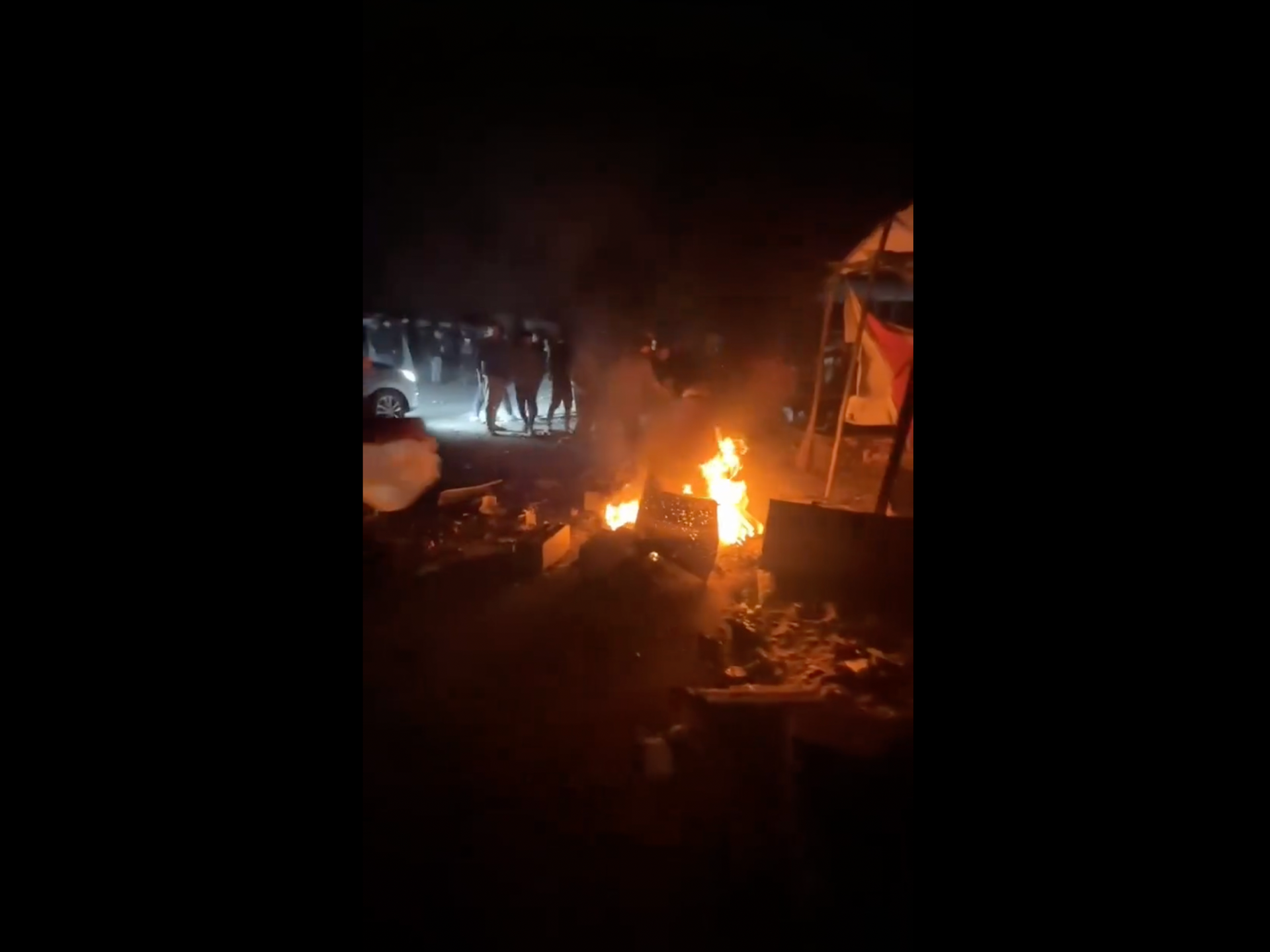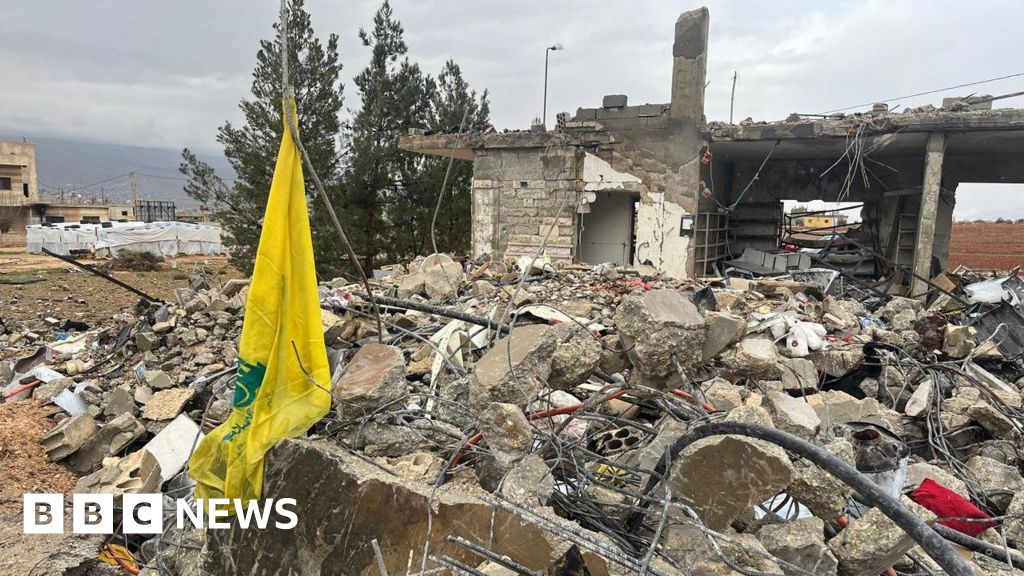

The recent Israeli strikes on Rafah have triggered a complex geopolitical and economic ripple effect across the Middle East and North Africa. While the immediate focus remains on the humanitarian crisis unfolding within Gaza, the conflict presents a significant opportunity for strategic investment and transformative infrastructural development within the region, particularly in sectors ripe for modernization and reconstruction. The contested nature of claimed targets – civilian versus terrorist infrastructure – underscores the broader geopolitical instability now shaping investment landscapes. This ambiguity necessitates a cautious but proactive approach from sovereign capital and venture capital players seeking long-term value.
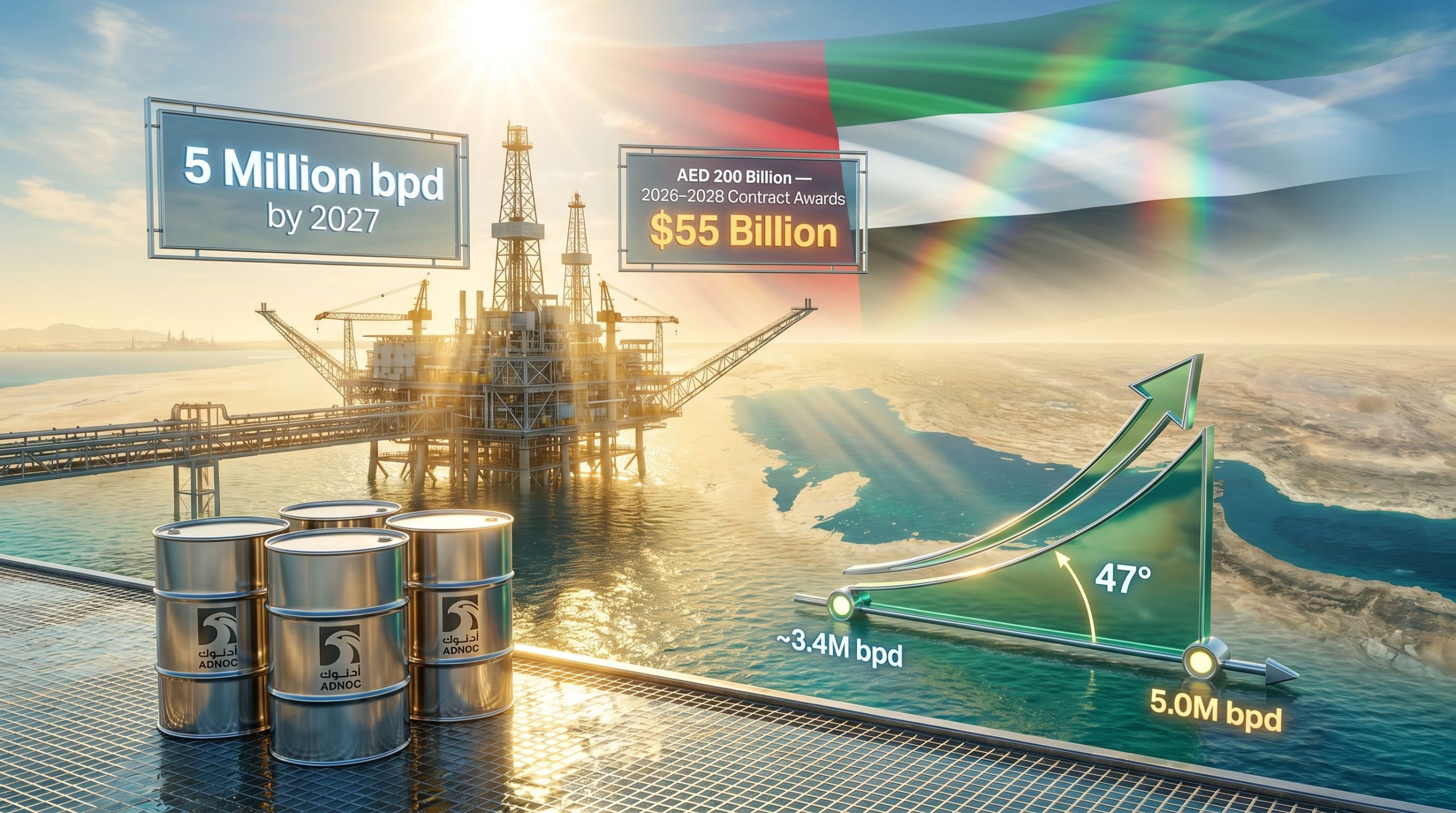
Sovereign wealth funds are poised to play a pivotal role in navigating this environment. The conflict will accelerate the demand for robust cybersecurity frameworks across the MENA region, crucial for protecting critical infrastructure and mitigating the risk of cyberattacks escalating from regional instability. Furthermore, increased focus on energy security, a core priority for many nations, presents investment avenues in renewable energy projects, smart grids, and energy storage solutions – all underpinned by the need for resilient and diversified energy supplies. The reconstruction of infrastructure damaged by the conflict will also trigger substantial spending, demanding investment in construction, urban planning, and digital connectivity to support long-term economic recovery.
The venture capital community is actively assessing the impact on innovation and technology. While short-term disruptions may exist, the conflict is catalyzing a shift toward more resilient and adaptable technological solutions. Investing in sectors like fintech, digital health, and AI, designed to enhance operational efficiency and resilience in the face of disruptions, is gaining traction. The heightened geopolitical risk is prompting businesses to prioritize data security and privacy, fueling demand for advanced cybersecurity technologies and data analytics platforms. Collaboration between regional governments and private sector innovators will be vital to fostering a stable and predictable investment climate conducive to sustainable growth.
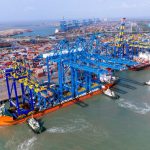
The long-term implications extend decisively to regional infrastructure. The conflict highlights the urgent need for enhanced logistical networks, particularly for humanitarian aid and the movement of goods. This underscores the importance of investing in port modernization, transportation infrastructure, and digital logistics platforms. Furthermore, leveraging technological advancements in smart city initiatives and digital governance will be essential for rebuilding and revitalizing affected areas. However, successful long-term strategic investment will require a nuanced approach, balancing geopolitical risk mitigation with the potential for significant economic returns and contributing towards a more stable and prosperous future for the Middle East and North Africa.