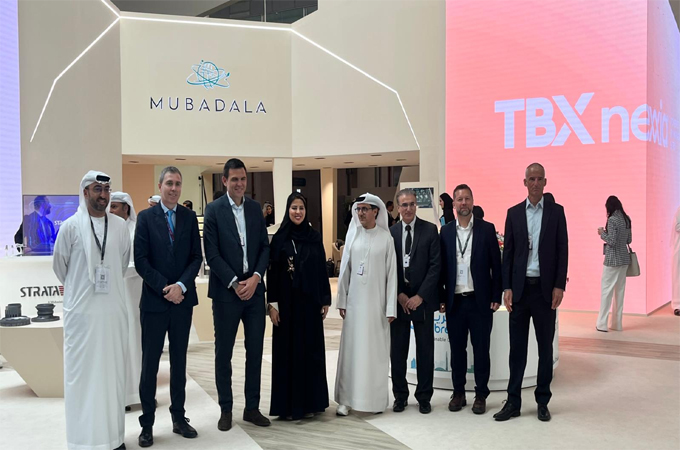

The current wave of AI-driven workforce optimization across major U.S. technology firms—exemplified by Atlassian’s 10% cut to self-fund AI initiatives and InvestCloud’s restructuring—signals a pivotal strategic reallocation of capital and talent. For the Middle East and North Africa (MENA), this is not merely a spectator event but a direct opportunity to accelerate sovereign-led digital transformation. Gulf sovereign wealth funds, notably the Saudi Public Investment Fund (PIF) and Mubadala Investment Company, are strategically redirecting allocations from mature Western tech equities toward high-growth regional AI and digital infrastructure plays, viewing this market correction as a chance to acquire both assets and specialized human capital at favorable terms.
This capital flight from Western discretionary AI spending to MENA’s long-term infrastructure bets is evident in the divergent paths of robotics investment. While Amazon discontinues its Blue Jay multitasking robot project, entities like Abu Dhabi’s G42 and Saudi Arabia’s Advanced Services Company are deploying billions into region-specific logistics and smart city automation, directly tied to sovereign megaprojects including NEOM and Qatar’s Lusail. The venture capital landscape is similarly bifurcated; as U.S. startup funding tightens, MENA-focused VCs such as STV and BECO Capital are increasingly co-investing with sovereign entities to back regional AI SaaS and fintech ventures that address localization and regulatory compliance gaps left by Western platforms.
The sectoral layoffs, including Compass’s post-acquisition reduction, underscore a broader consolidation that MENA’s real estate technology firms—propelled by state-backed housing initiatives and tourism giga-projects—are positioned to exploit. Unlike their Western counterparts, MENA proptech companies are not in a defensive cost-cutting mode but are in an aggressive expansion phase, with sovereign capital providing the runway to integrate AI for asset management and customer platforms. This creates a unique arbitrage opportunity: the outflow of experienced AI engineers and product managers from U.S. firms can be channeled, via targeted acquisition sprees or immigration incentives, to bolster the regional talent pool required for these national infrastructure mandates.
Ultimately, the MENA region’s response to the West’s AI pivot will be defined by its ability to convert this cyclical workforce adjustment into a structural advantage. The critical factor is whether sovereign capital can de-risk private VC participation at scale, transforming temporary talent inflows into permanent innovation ecosystems anchored in regional data sovereignty and infrastructure. The business impact will be measured not in job losses elsewhere, but in the velocity of AI adoption across MENA’s sovereign portfolio companies—from sovereign cloud projects to national AI research institutes—turning a global retrenchment into a localized leap forward.