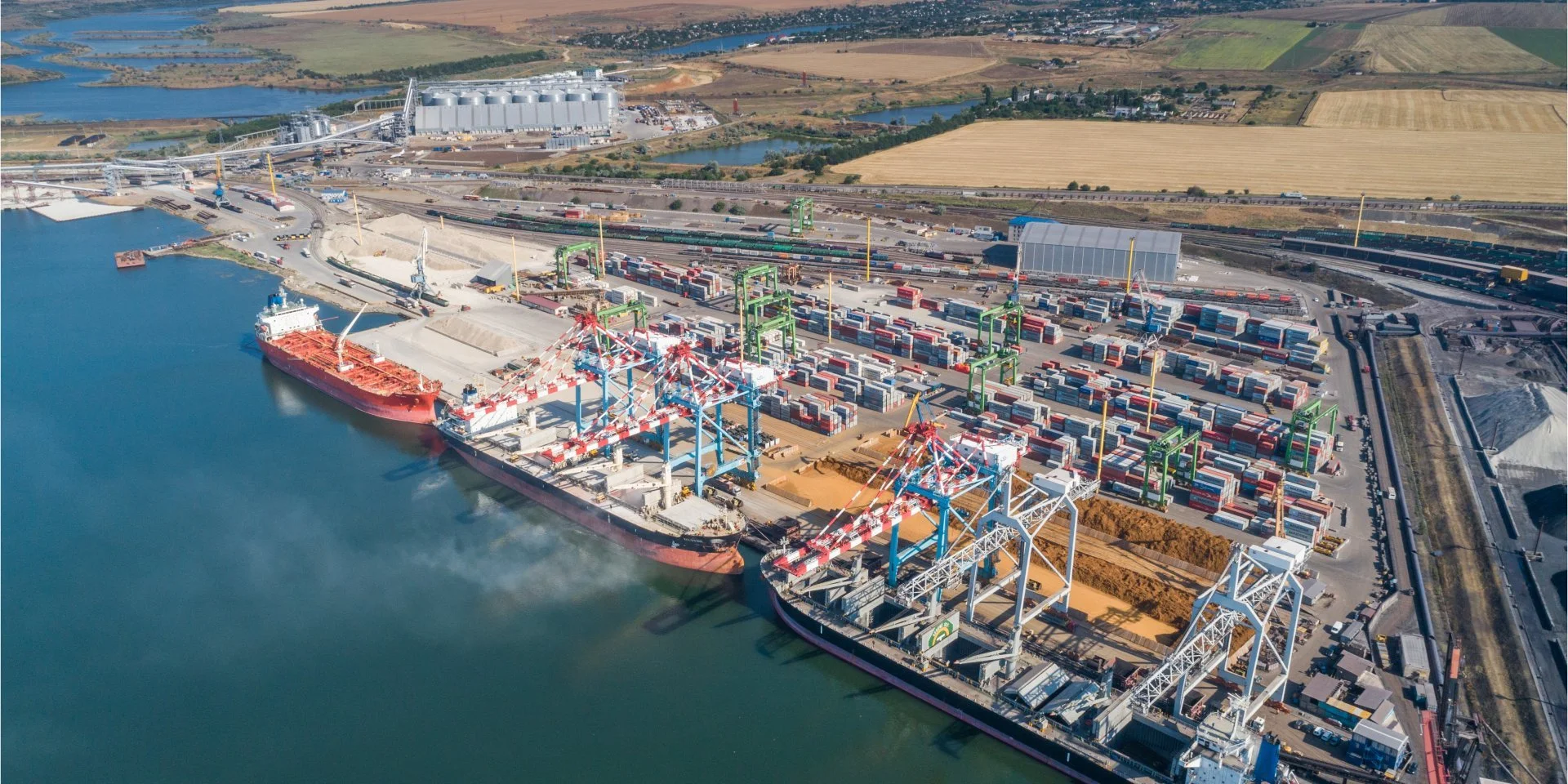

The sale of DP World’s 51% stake in Ukraine’s Pivdennyi container terminal to TIS Group marks a strategic recalibration by a key UAE-based sovereign capital entity, reflecting broader trends in the reallocation of global logistics assets amid geopolitical volatility. For the Middle East and North Africa (MENA), this transaction underscores the region’s growing role as a custodian of sovereign capitalが confronting the risks inherent in overreliance on Eastern European supply chains. DP World’s exit—despite its Dubai World parentage—signals a potential shift in how Middle Eastern sovereign funds and private equity ventures assess long-term stability in contested regions. With UAE leadership increasingly prioritizing economic sovereignty and diversification, such moves may catalyze a reassessment of cross-border investments, favoring MENA’s own ports and infrastructure projects over exposure to conflict-ridden markets. This could redirect sovereign and venture capital flows toward regional hubs like Djibouti, Egypt, or the Arabian Peninsula, where alternative trade corridors and digital infrastructure investments are gaining traction.
The business implications for MENA are profound, particularly as global supply chain reconfiguration accelerates in response to the Ukraine conflict. DP World’s pact to explore further opportunities in Ukraine—while divesting from a terminal now under TIS control—highlights the fragility of dependencies on unstable regions. For MENA, which serves as a critical logistics nexus between Europe, Asia, and Africa, this underscores the urgency of bolstering regional infrastructure resilience. The transaction may spur increased private investment in peninsula ports, smart logistics hubs, and digital customs solutions, as sovereign entities and venture capitalists seek to insulate global trade routes from geopolitical shocks. Notably, the influx of capital into MENA’s port infrastructure could attract venture-backed tech firms specializing in blockchain, AI-driven supply chain optimization, and renewable energy integration, areas where the region already exhibits competitive advantages.
From a sovereign capital perspective, the deal reflects a nuanced strategy by Gulf states to balance international partnerships with domestic resource mobilization. While DP World’s stake in TIS was initially backed by Dubai’s sovereign wallet, its eventual exit may prompt MENA governments to deepen state-supported infrastructure ventures, leveraging public-private partnerships to mitigate risks. This aligns with broader regional initiatives, such as Saudi Arabia’s NEOM or the UAE’s Global Gateway program, which aim to position MENA as a linchpin of global trade. Concurrently, venture capital engagement in the region is likely to intensify, with funds increasingly eyeing infrastructure-as-a-service models and climate-resilient logistics startups. The Pivdennyi sale serves as a case study in how sovereign capital must adapt to avoid overcommitment to volatile markets—a lesson that could shape future MENA policy and investment frameworks.
Regionally, the transaction highlights infrastructure diversification as a strategic imperative. For MENA, the downturn in Eastern European logistics offers an opportunity to strengthen intraregional connectivity and reduce reliance on single corridors. This could catalyze investments in transnational infrastructure, from rail networks linking the Levant to the Black Sea to fiber-optic expansions enhancing digital trade capacities. Sovereign capital, in particular, may play a pivotal role in underwriting such projects, particularly in countries like Egypt or Morocco, where public asset monetization is gaining momentum. Additionally, the shift in ownership dynamics at Pivdennyi may inspire MENA stakeholders to adopt similar models—blending public oversight with private efficiency—ensuring that infrastructure projects are both resilient and sustainable. For venture capital, this environment could spur innovation in asset-light logistics models or green infrastructure solutions, aligning with global ESG imperatives while addressing regional priorities.