
Alcazar Energy Partners’ and Daniel Calderon’s strategic positioning within the Middle East and North Africa’s (MENA) energy landscape underscores a pivotal shift in sovereign capital allocation and venture-driven infrastructure development. The reported windfall, likely tied to renewable energy or hydrocarbon-driven fiscal surpluses, signals a recalibration of regional economic priorities. Sovereign wealth funds in the MENA region, long constrained by volatile oil revenues, are now leveraging these windfalls to diversify portfolios, reduce fiscal dependency on commodity markets, and fund transformative infrastructure projects. This capital infusion is not merely cyclical; it represents a systemic effort to anchor long-term stability in economies increasingly vulnerable to global price shocks. Such moves will accelerate private sector participation, particularly in energy transition technologies, while compelling governments to adopt more transparent and structured fiscal frameworks to manage inflows responsibly.
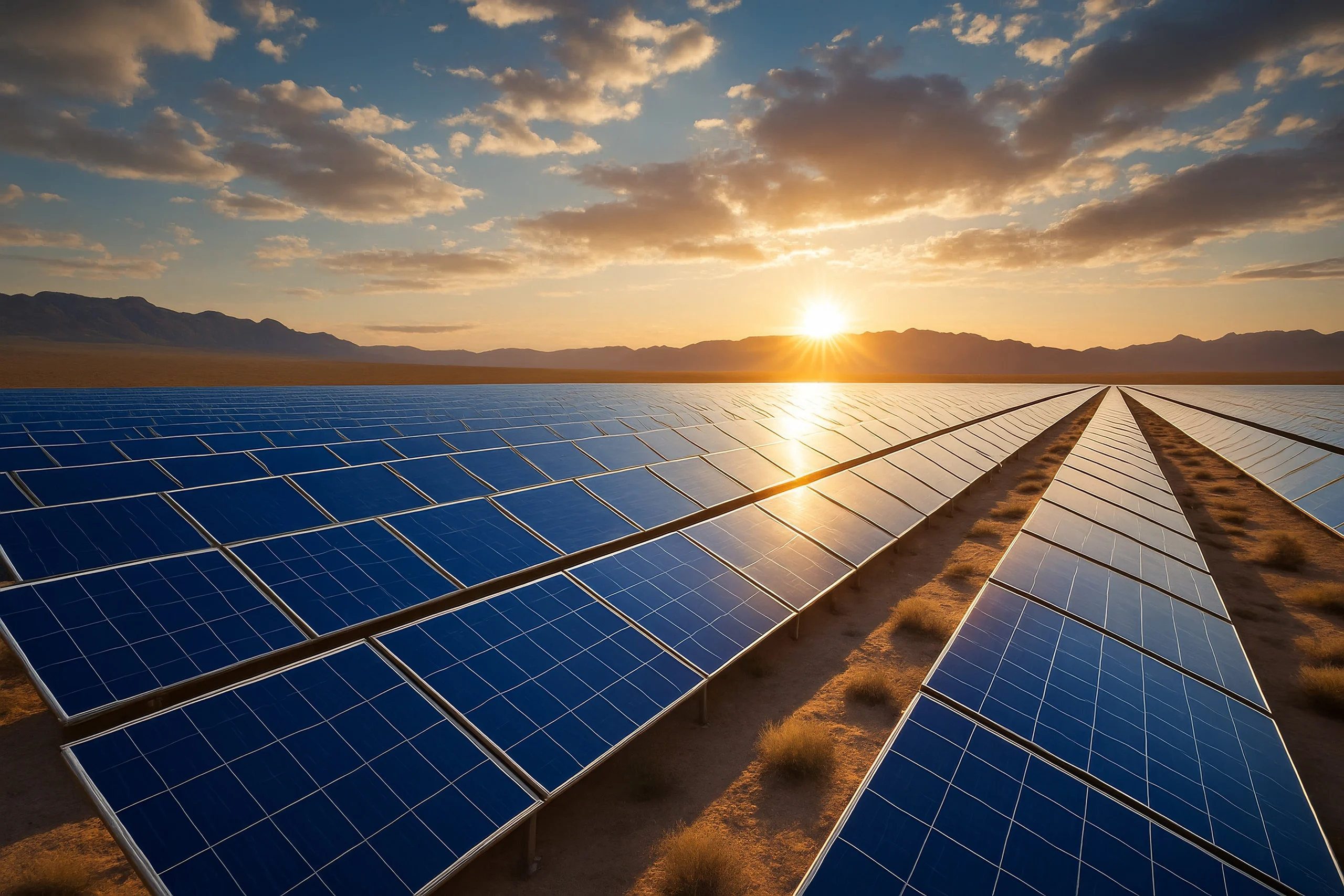
The implications for venture capital in the region are profound, as Alcazar Energy’s activities suggest a convergence of traditional energy expertise with emerging technological innovation. Venture capital firms are likely to pivot toward hybrid models that bridge oil-and-gas legacy with clean-tech disruption, particularly in solar, hydrogen, and carbon capture sectors. This trend will intensify competition for capital, compelling VC investors to adopt more agile strategies to capitalize on first-mover advantages. Furthermore, the influx of sovereign-backed funds could create a dual flow of capital—state and private—that may reshape deal-making dynamics, favoring scalable, regional-focused ventures over global players. However, this shift also risks diluting liquidity pools unless regulatory environments are strengthened to ensure compliance and mitigate risks associated with opaque financial instruments.
The regional infrastructure implications are equally critical. Executing on large-scale windfall-driven projects—whether in energy, digital, or industrial sectors—will require unprecedented coordination across public and private stakeholders. Current MENA infrastructure deficits, particularly in grid modernization and logistics, pose significant barriers. Sovereign capital, when directed strategically, could catalyze public-private partnerships to overhaul these systems. For instance, windfall revenues might fund smart-grid deployments or cross-border energy corridors, thereby unlocking broader economic synergies. However, without concomitant investments in policy reform and institutional capacity, these initiatives risk becoming isolated indicators of short-term gain rather than engines of sustainable growth. The success of such projects will hinge on the region’s ability to harmonize capital flows with long-term strategic planning, a challenge that demands both technical rigor and political cohesion.