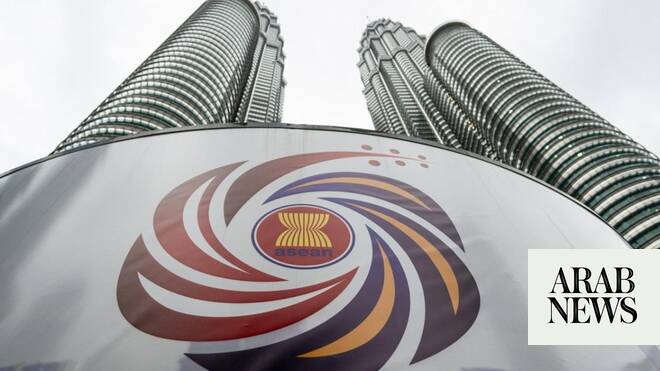

ASEAN foreign ministers’ call for a permanent resolution to the Iran-West conflict underscores the critical nexus between geopolitical stability and economic resilience in the Middle East and North Africa (MENA). The Strait of Hormuz, a linchpin for global energy flows, remains a flashpoint with far-reaching implications for sovereign capital. Persistent volatility in this region threatens to deter foreign direct investment (FDI) into MENA’s energy-dependent economies, as risk premiums escalate uncertainties around hydrocarbon exports and maritime trade routes. Gulf Cooperation Council (GCC) states, already navigating demographic and fiscal transitions, face mounting pressure to diversify revenue streams amid heightened risks to their strategic economic assets. Miscalculations in sovereign capital allocation, particularly in infrastructure and defense sectors, could exacerbate long-term vulnerabilities, diverting resources from high-impact modernization initiatives to short-term crisis mitigation.
The stagnation of U.S.-Iran negotiations indirectly dampens venture capital flows into MENA’s nascent tech ecosystems. While the region’s startups have historically thrived on cross-border collaboration, protracted conflicts amplify operational costs and deter talent mobility—a linchpin for innovation. However, the current impasse may inadvertently catalyze niche opportunities. Cybersecurity firms and satellite-based logistics providers, for instance, stand to benefit from escalating demand for risk-mitigation technologies in response to maritime and airspace uncertainties. Moreover, the conflict’s economic ripple effects could spur sovereign-backed venture initiatives targeting regional resilience, such as sovereign wealth funds leveraging idle capital to stake claims in post-conflict reconstruction contracts. Yet, without sustained diplomatic engagement, these opportunities risk being overshadowed by systemic instability.
Regional infrastructure, already strained by population growth and climate shocks, demands immediate recalibration in light of the Hormuz crisis. The Strait’s disruption highlights the fragility of centralized energy dependency models, incentivizing MENA governments to prioritize infrastructure diversification. Investments in alternative transit corridors, such as the UAE’s HubZero project or Morocco’s trans-Saharan renewable energy grid, may gain traction as states seek to insulate their economies from external shocks. Concurrently, the crisis reinforces the need for regional cooperation in digital infrastructure, with blockchain-based trade finance solutions and decentralized energy networks emerging as strategic priorities. These shifts signal a bifurcation in MENA’s infrastructure trajectory—toward either fragmented, ad-hoc solutions or cohesive, state-led frameworks capable of underpinning long-term economic sovereignty.
The ASEAN ministers’ appeal thus transcends immediate geopolitical concerns, reflecting a broader imperative for MENA to align its economic architecture with the realities of a multipolar world. Failure to address the interdependencies between conflict resolution, capital allocation, and infrastructure modernization will entrench the region’s vulnerability to external shocks. Policymakers must therefore prioritize institutionalizing de-escalation protocols, fortifying sovereign creditworthiness, and unlocking private capital through confidence-building measures. Only through such systemic reforms can MENA transition from a region defined by episodic crises to one characterized by resilient, self-sustaining growth—where energy security, technological innovation, and infrastructure sovereignty coalesce to redefine its geopolitical and economic agency.