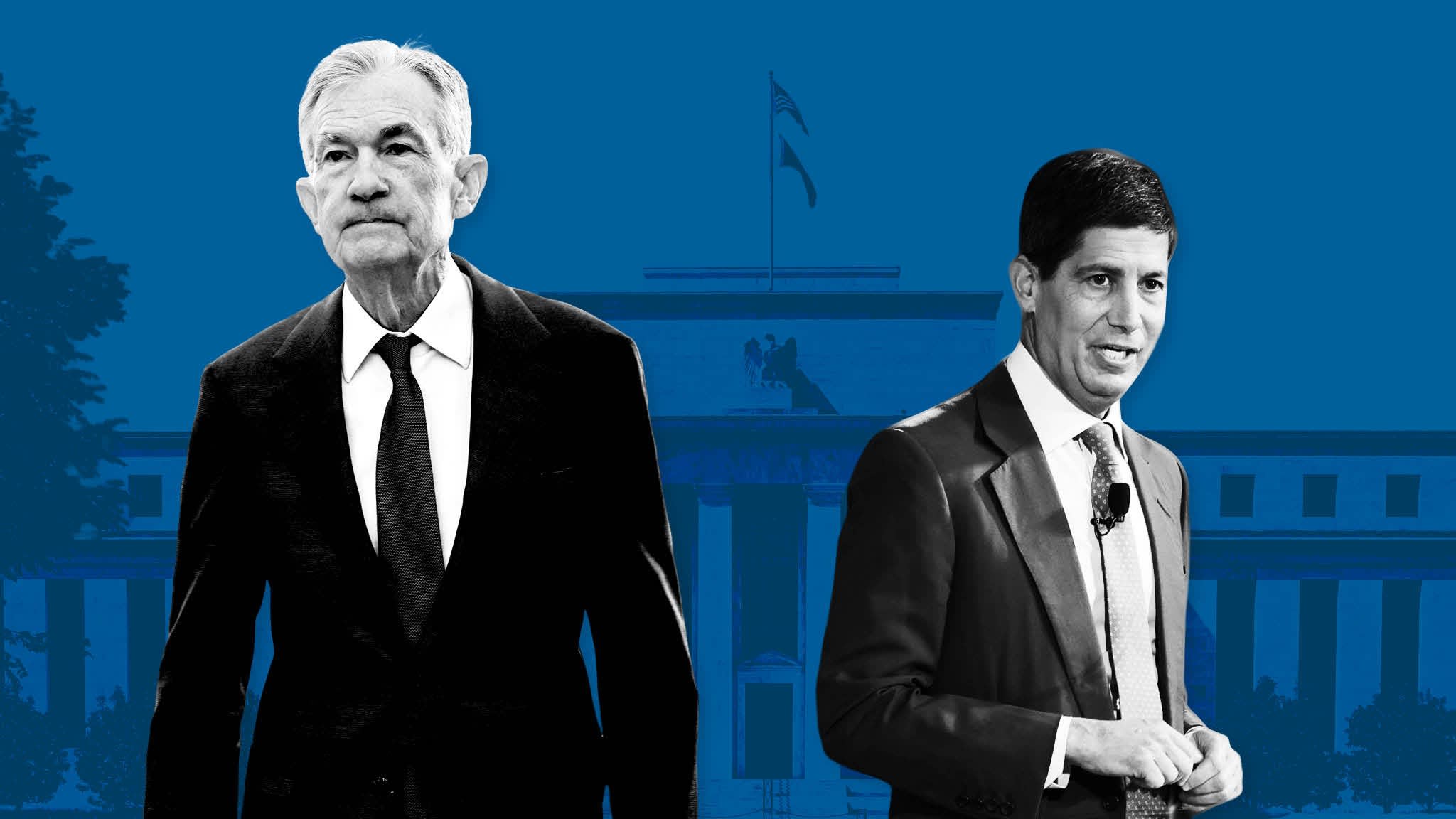

President’s public ultimatum to dismiss the central bank governor if Kevin Warsh’s confirmation is not secured by May 15 injects a high‑stakes political dimension into monetary policy deliberations across the MENA region. The threat underscores the growing entanglement of political patronage with institutional independence, a factor that sovereign wealth funds and regional development banks will monitor closely as they recalibrate asset‑allocation strategies. Market participants anticipate heightened volatility in sovereign bond spreads, prompting a cautious stance toward fixed‑income securities linked to fiscal support for infrastructure mega‑projects.
From a sovereign capital perspective, the prospect of an early leadership change raises questions about the continuity of monetary tightening cycles that have been a cornerstone of fiscal prudence in the Gulf. If succession results in a more accommodative stance, inflation‑linked subsidies could swell, eroding real returns on public‑pension funds and pressuring the fiscal breakeven of sovereign issuers. Investors in GCC‑linked ETFs are likely to reassess exposure to the region, weighting the risk of policy reversal against the backdrop of resilient non‑oil growth drivers.
Venture capital ecosystems, particularly in hubs such as Riyadh, Dubai and Cairo, stand to feel the ripple effects of perceived governance uncertainty. International VCs, already navigating geopolitical headwinds, may dial back early‑stage allocations until the central bank’s credibility is restored, potentially compressing fund lifecycles and slowing the pipeline of high‑growth technology deals. This risk premium could dampen the momentum of fintech, health‑tech and clean‑tech startups that rely on deep‑pocketed regional limited partners for follow‑on financing.
Infrastructure projects—ranging from Saudi Vision 2030 megaprogrammes to North African smart‑city initiatives—are contingent on stable financing conditions and predictable policy environments. A disruption in central bank leadership threatens to stall pending EPC contracts, delay sovereign‑guaranteed bond issuances, and force a reassessment of public‑private partnership (PPP) frameworks. The ensuing uncertainty could compress the execution timeline for rail, logistics and renewable‑energy roll‑outs, ultimately curbing the region’s long‑term competitive advantage in global supply‑chain integration.