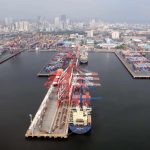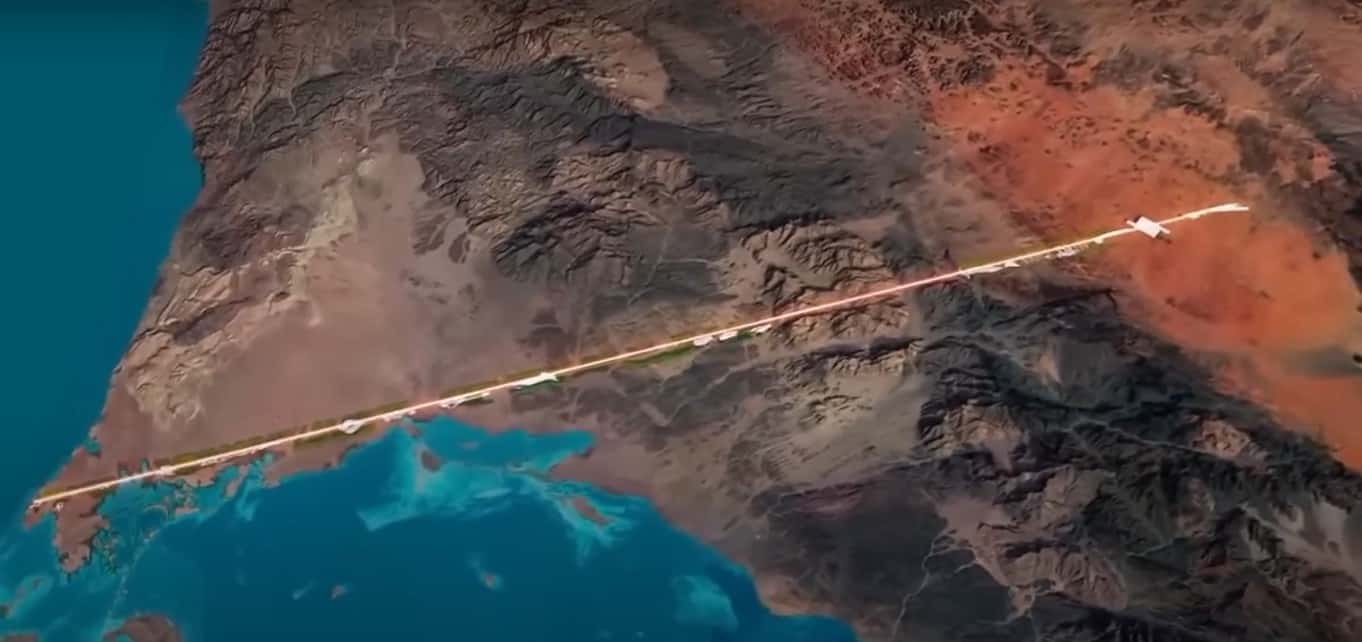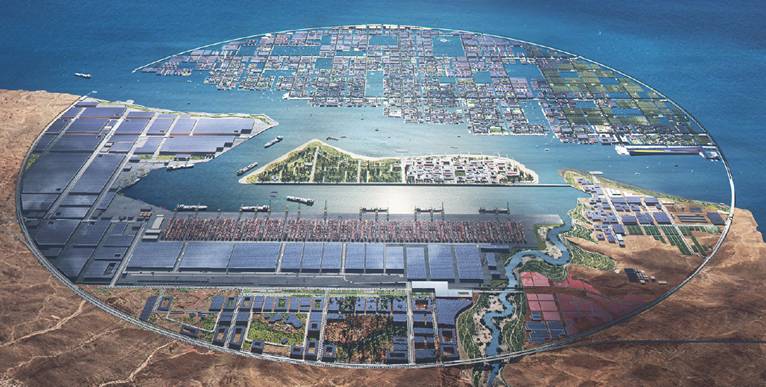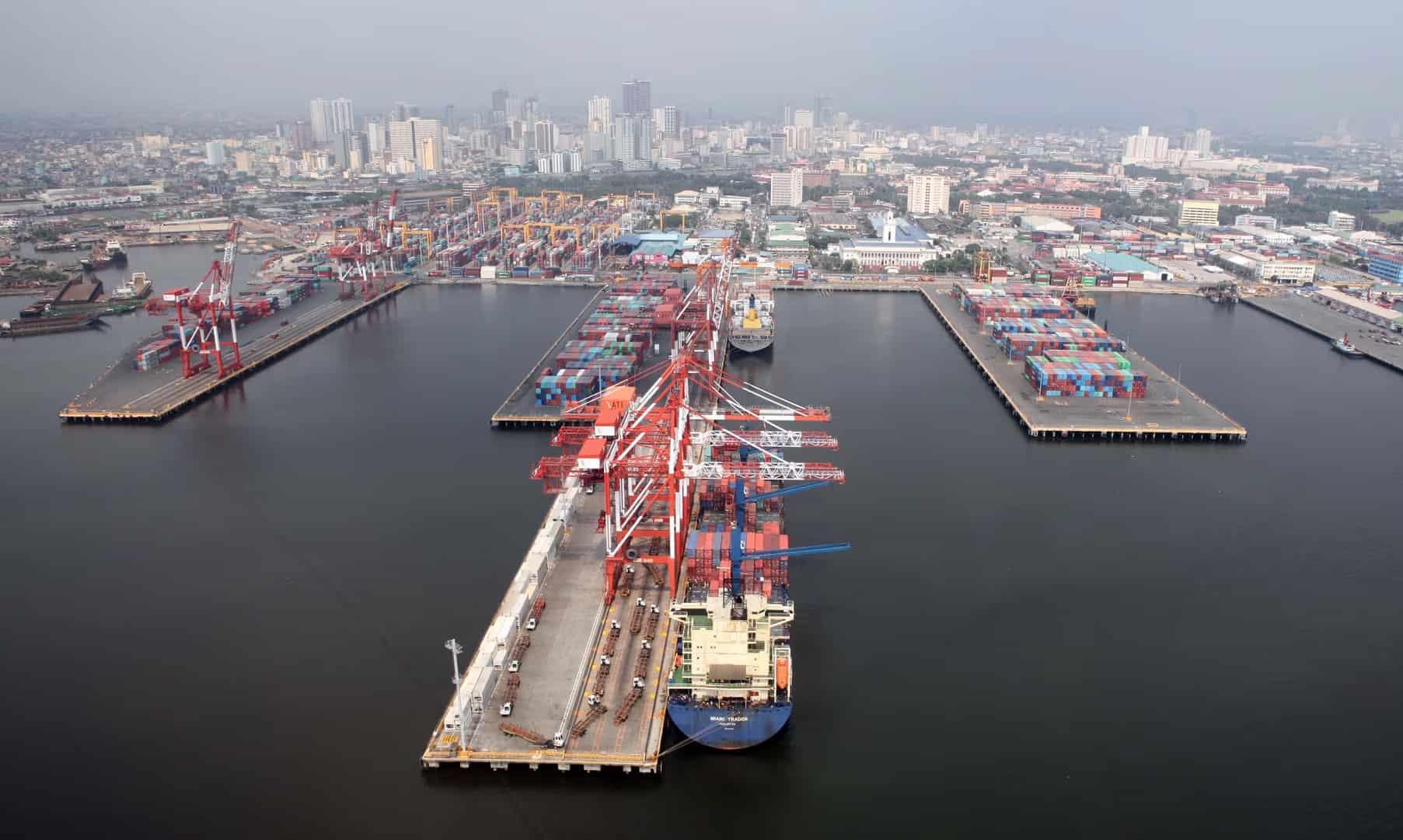

The recent Oxford Economics study quantifying the economic impact of DP World’s Batangas Integrated Port (BIP) in the Philippines, while geographically specific, offers valuable insights applicable to broader infrastructure investment strategies across the Middle East and North Africa (MENA) region. The port’s generation of 2,340 jobs and $27.8 million in economic activity underscores the multiplier effect of strategic port development, particularly in regions grappling with unemployment and limited economic diversification. This resonates strongly with ongoing sovereign-led initiatives in the GCC, where ambitious port expansions – such as those in Saudi Arabia’s Red Sea Project and Oman’s Duqm – are explicitly designed to catalyze downstream industries and attract foreign direct investment. The BIP case highlights the importance of not just raw throughput capacity, but also the ancillary ecosystem development – logistics, transportation, and local services – that maximizes the return on infrastructure spend.
The success of local entrepreneurs like Reche Feliciano, whose business benefited directly from the port’s upgrades, reinforces the critical role of infrastructure in fostering small and medium-sized enterprises (SMEs). This is a key consideration for MENA nations seeking to broaden their economic base beyond reliance on hydrocarbons. Sovereign wealth funds, increasingly focused on domestic value creation, should prioritize investments that demonstrably support SME growth alongside large-scale infrastructure projects. Furthermore, the BIP’s contribution to a 0.8% increase in Philippine exports and a projected $1 billion GDP boost by 2035 demonstrates the potential for improved trade connectivity to drive regional competitiveness. This aligns with the broader regional push for enhanced logistics networks, exemplified by the Saudi Vision 2030’s focus on developing a global logistics hub.
However, the report’s acknowledgement of challenges – rising poverty rates and limited access to skilled labor in Calabarzon – serves as a cautionary note. While infrastructure investment is a necessary condition for economic growth, it is not sufficient. MENA nations must concurrently address human capital development and social equity to ensure that the benefits of these projects are broadly distributed. The vulnerability of the region to climate-related disruptions, as evidenced by Typhoon Trami’s impact on connectivity, also necessitates resilient infrastructure design and robust disaster preparedness planning. This requires incorporating climate risk assessments into project feasibility studies and prioritizing investments in adaptive infrastructure solutions.
Finally, the relatively high gross value added per employee at BIP ($23,900 compared to $4,000 in the broader sector) suggests a premium on skilled labor and efficient operations. This underscores the importance of attracting and retaining qualified personnel, and leveraging technology to optimize port performance. Venture capital firms operating in the MENA region should consider opportunities in logistics technology, automation, and supply chain management, particularly those that can enhance the efficiency and resilience of port operations. The BIP experience provides a tangible example of how strategic infrastructure investment, coupled with targeted human capital development and technological innovation, can unlock significant economic potential within emerging markets.