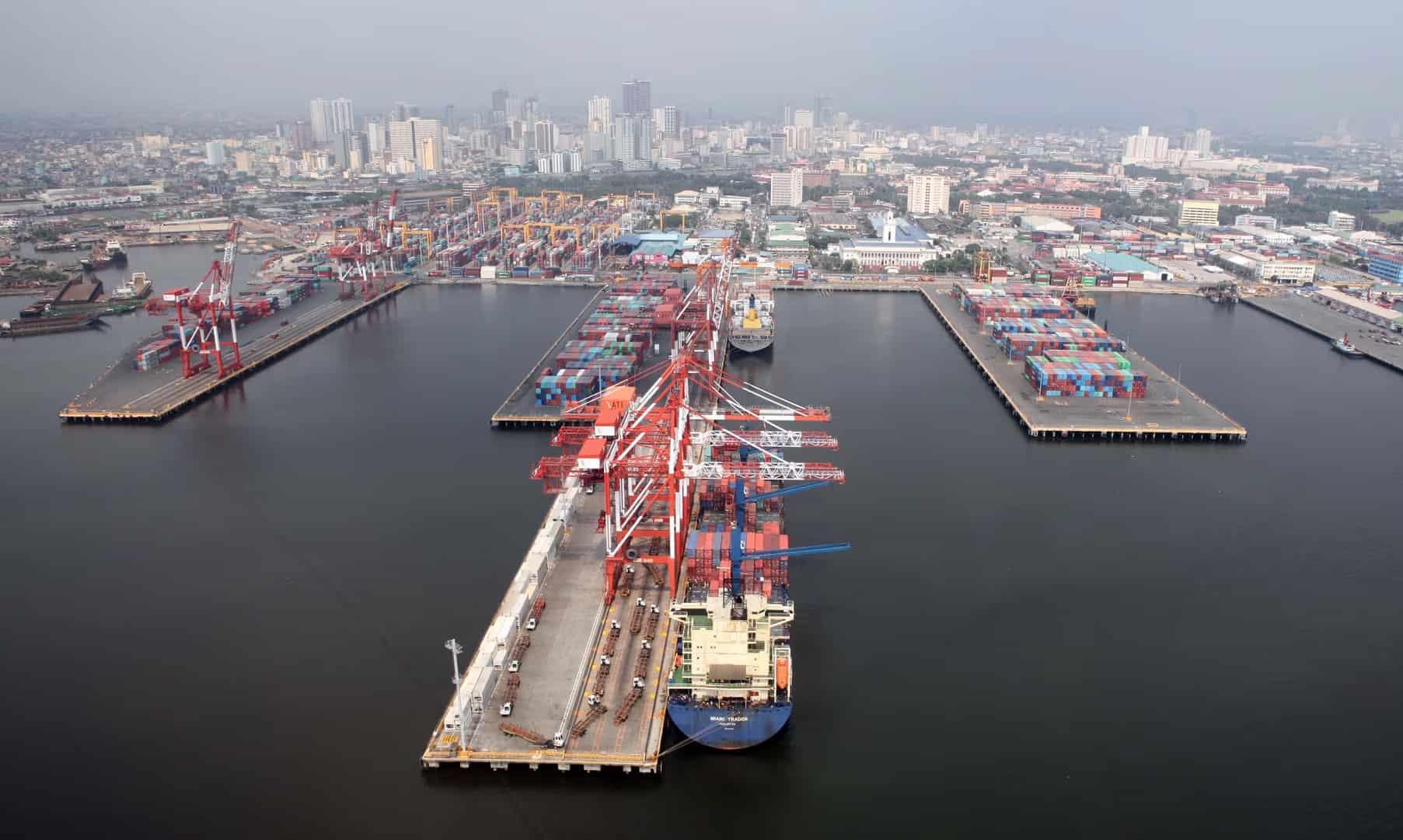

DP World’s Batangas Integrated Port, inaugurated in April 2024, stands as a compelling case study for sovereign wealth funds and infrastructure investors seeking measurable returns on strategic port investments. Independent analysis by Oxford Economics quantifies the port’s economic footprint at $27.8 million in 2024 alone, with $18.5 million concentrated in the Calabarzon region—the Philippines’ second-largest GDP contributor. This level of economic activity, generated through a single logistics node, underscores the multiplier effects achievable through disciplined infrastructure capital deployment in high-growth emerging markets.
The employment metrics further validate the investment thesis. The port has directly and indirectly generated 2,340 jobs nationwide, with 1,320 positions concentrated in Calabarzon. Critically, on-site employment stands at 839 workers, with each DP World employee supporting approximately $23,900 in annual gross value added—substantially above the $4,000 per worker average in the broader transport and storage sector. This productivity differential illustrates how modern, efficiently operated port infrastructure can command significant productivity premiums, a consideration increasingly relevant for sovereign capital evaluating logistics assets across the MENA and Asia-Pacific corridors.
From a trade facilitation perspective, the Batangas facility has already elevated Philippine exports by 0.8 percent, with projections indicating an additional $1 billion in GDP contribution by 2035. The port has emerged as a critical gateway for containerised trade, strengthening the country’s connectivity to global supply chains. For regional infrastructure operators and sovereign investors, the Batangas model—combining international operational expertise through partnerships such as DP World and Asian Terminals Inc. with strategic location advantages—offers a replicable framework for unlocking trade potential in coastal economies. The demonstrated capacity to catalyse small business development, as evidenced by expanded commercial activity within passenger terminals, further amplifies the social returns on such capital-intensive projects.
However, the operational environment presents challenges warranting careful due diligence. Calabarzon has experienced rising poverty rates, climbing to 4.9 percent in 2023 from 4.3 percent in 2021, while youth access to skilled employment remains constrained. Additionally, vulnerability to climate-related disruptions—exemplified by Typhoon Trami in 2024—underscores the necessity of robust resilience frameworks in maritime infrastructure investments. For sovereign capital and institutional investors evaluating similar assets, the Batangas case demonstrates that while substantial economic and employment returns are achievable, comprehensive risk mitigation strategies addressing socioeconomic gaps and environmental exposure remain essential to sustaining long-term value creation.