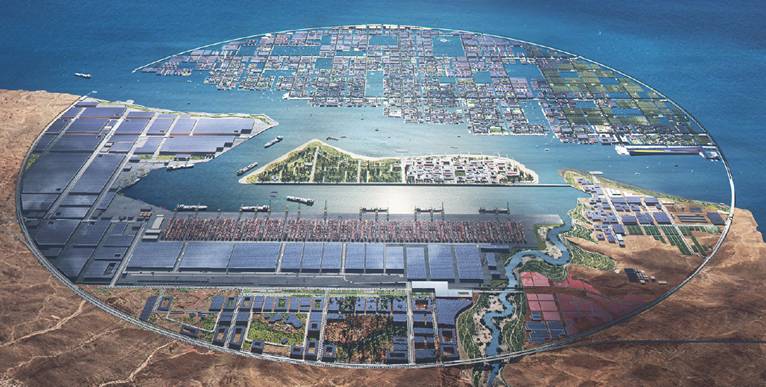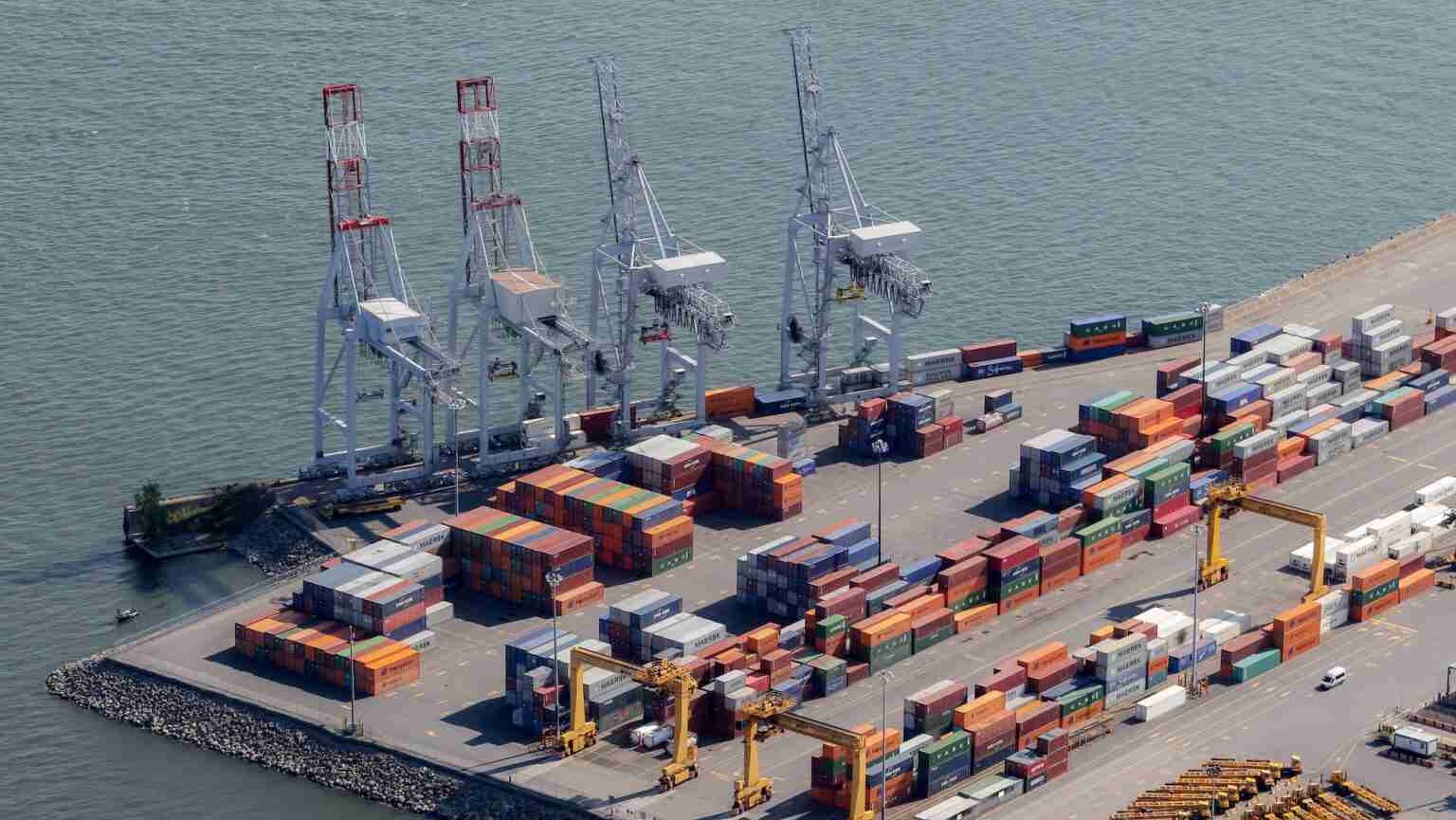

The commencement of construction at DP World’s Contrecoeur terminal at the Port of Montreal represents a strategically significant development with far-reaching implications for the MENA region’s financial landscape and burgeoning technology sector. While ostensibly a Canadian infrastructure project, the enhanced capacity – projected to add 1.15 million TEUs and bolster the port’s handling capabilities by 60% – directly impacts the efficiency of global supply chains, particularly those involving perishable goods. This expansion will invariably accelerate the movement of commodities like pulses, spices, and frozen foods, critical components of many MENA economies, towards North American markets, creating both opportunities and challenges for regional trade partners.
The selection of DP World, leveraging its established global expertise in port operations and digital infrastructure, underscores a broader trend within the region: the increasing reliance on sovereign wealth funds and institutional capital for large-scale infrastructure projects. MENA nations are actively seeking to diversify their economies beyond traditional hydrocarbons, and investments in logistical hubs like Montreal are viewed as vital components of this strategy. Furthermore, the project’s emphasis on sustainable infrastructure – encompassing land-based utilities and an on-site rail connection – aligns with the growing pressure for environmentally conscious trade practices, a key consideration for attracting international investment and meeting evolving consumer demands. The potential for technology integration within the terminal’s operations, as evidenced by DP World’s selection, will be a crucial factor in determining its long-term competitiveness.
The enhanced connectivity facilitated by the Contrecoeur terminal has profound implications for venture capital activity within the MENA food and logistics technology space. Increased predictability and reduced transit times will incentivize further investment in digital platforms optimizing cold chain management, traceability, and last-mile delivery – areas ripe for disruption. We anticipate a surge in demand for solutions enabling real-time monitoring of perishable goods, automated inventory management, and predictive analytics for supply chain optimization. Regional fintech firms specializing in trade finance and supply chain financing will also benefit from the increased volume of trade flowing through this corridor, creating a virtuous cycle of investment and innovation.
Finally, the project’s timeline – commissioning expected by 2030 – necessitates a proactive assessment of regional infrastructure readiness. MENA nations must prioritize investments in port modernization, rail network expansion, and digital connectivity to effectively capitalize on the opportunities presented by this enhanced North American gateway. Sovereign capital allocation towards these strategic upgrades, coupled with targeted venture capital support for technology solutions, will be paramount to ensuring the region’s sustained competitiveness in the global food trade and solidifying its position as a key player in the evolving international supply chain ecosystem.