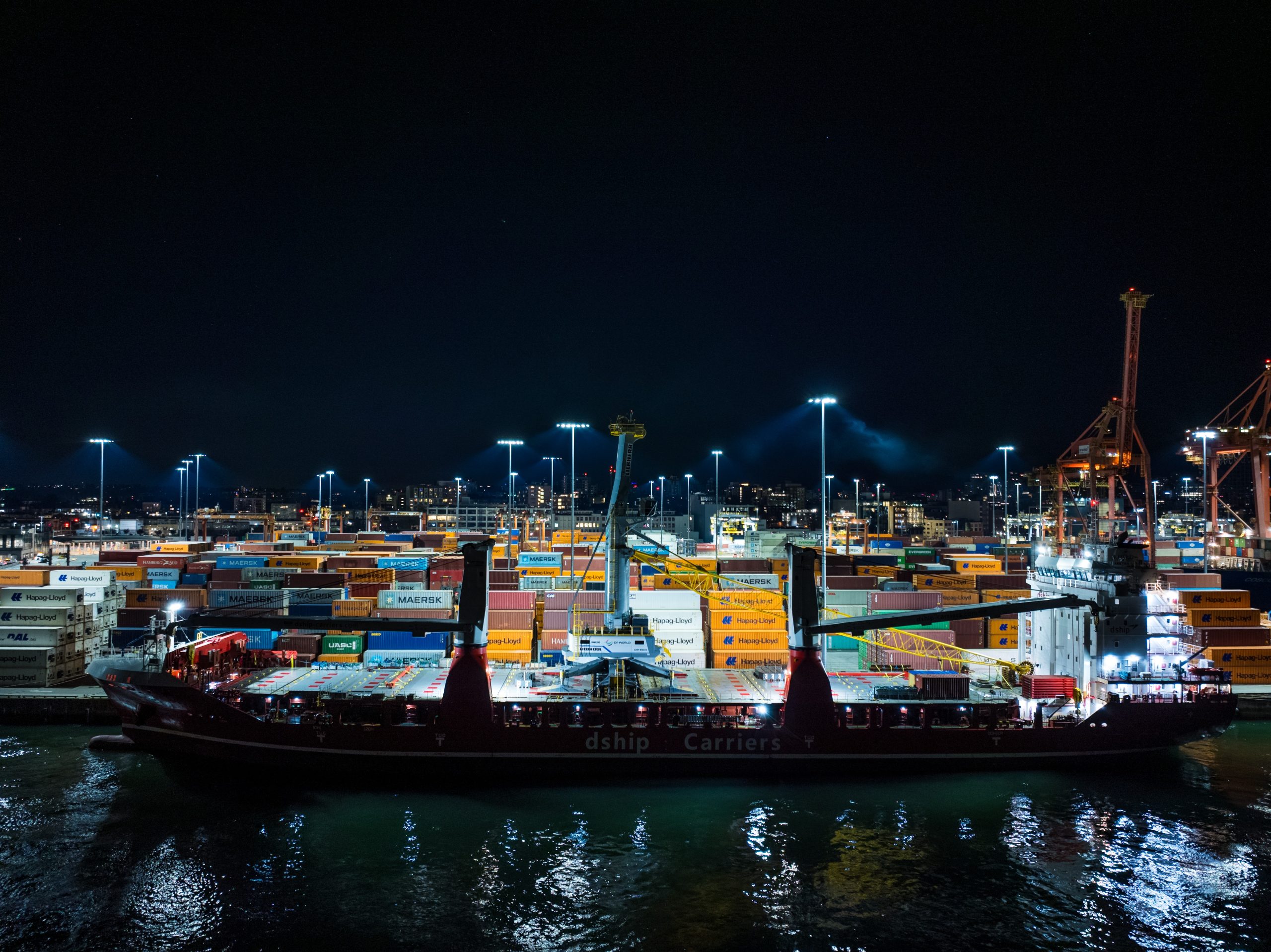

In the Middle East and North Africa (MENA), the urgent decarbonization of trade logistics is reshaping sovereign capital allocation and venture capital dynamics, with DP World’s hydrogen RTG pilot at Vancouver’s port serving as a harbinger of broader regional imperatives. MENA’s geopolitical and economic reliance on fossil fuel revenues necessitates a strategic pivot toward sustainable infrastructure to diversify economies and align with global climate agreements. The deployment of hydrogen fuel cell technologies and electric cargo handling equipment in MENA’s hyper-scale ports—such as Jebel Ali in Dubai or the Port Said in Egypt—could unlock sovereign capital flows channeled through public-private partnerships (PPPs) to offset upfront costs. These initiatives, while mirroring Latin American electrification successes, must be tailored to MENA’s arid conditions and energy security priorities, leveraging solar-powered desalination-integrated port systems to mitigate water scarcity risks while cutting carbon footprints.
Venture capital is increasingly targeting MENA’s logistics tech ecosystem, with hydrogen infrastructure and AI-driven energy optimization platforms emerging as high-potential sectors. The recent $200 million VC fund launched by a Abu Dhabi-based sovereign wealth entity to incubate green logistics startups underscores a growing intersection of sovereign strategy and private innovation. However, regulatory frameworks in jurisdictions like Saudi Arabia and Morocco lag behind global peers, creating bottlenecks for scaling ventures. For instance, while DP World’s Latin American solar projects benefited from streamlined permitting, MENA’s bureaucratic complexities risk sidelining critical investments. Sovereign-backed VC mechanisms—such as Qatar’s Ministry of Energy partnerships with fintech firms—could bridge this gap, accelerating circular economy models like waste-to-energy systems that address both environmental and fiscal imperatives.
The infrastructure implications are profound: Replicating DP World’s multi-modal electrification strategies in MENA would require massive grid modernization and regional energy interconnectivity. The proposed $1.2 trillion NEOM Green Hydrogen mega-complex in Saudi Arabia, coupled with DP World’s terminal operations, exemplifies how sovereign capital and private-sector collaboration can build resilient supply chains. However, contrasting this with the Dominican Republic’s solar initiatives reveals governance disparities—a UAE-led solar park venture benefits from centralized policymaking, whereas disjointed MENA state mandates often fragment project execution. Furthermore, ecosystem protection efforts, such as mangrove restoration in the Red Sea or coral reef preservation in Tunisia, are vital for safeguarding coastal infrastructure against climate volatility, directly impacting trade continuity and insurance liabilities.
Ultimately, MENA’s transformation hinges on harmonizing sovereign capital with venture-ready innovation to create self-sustaining green logistics ecosystems. While DP World’s Latin American model offers a blueprint, the region must prioritize localized decarbonization zones, workforce reskilling for high-tech port operations, and diaspora-driven capital mobilization to compete in a climate-constrained global trade order. Without such integration, MENA risks ceding its competitive edge in trade route optimization to rivals prioritizing ESG-aligned growth.