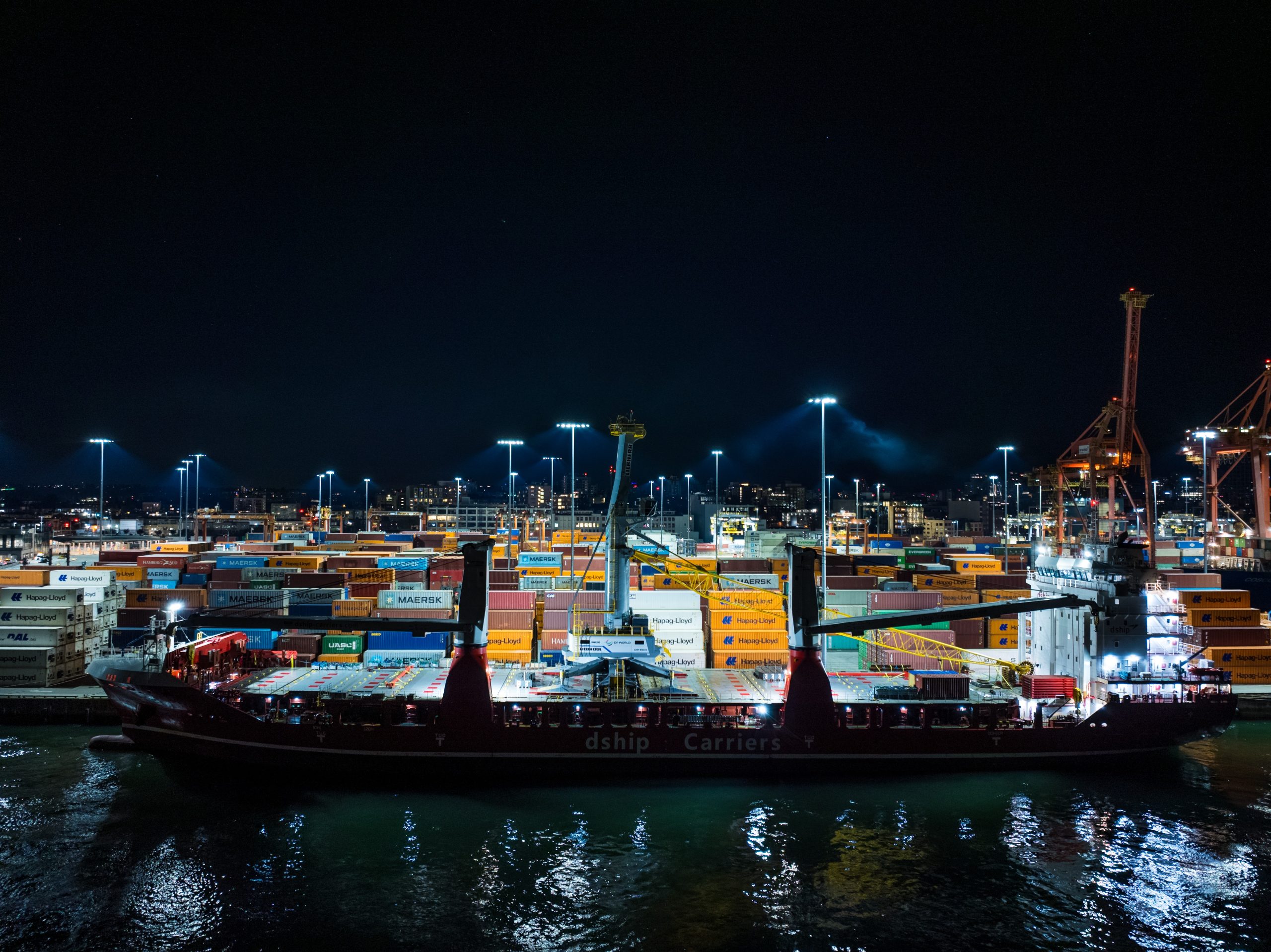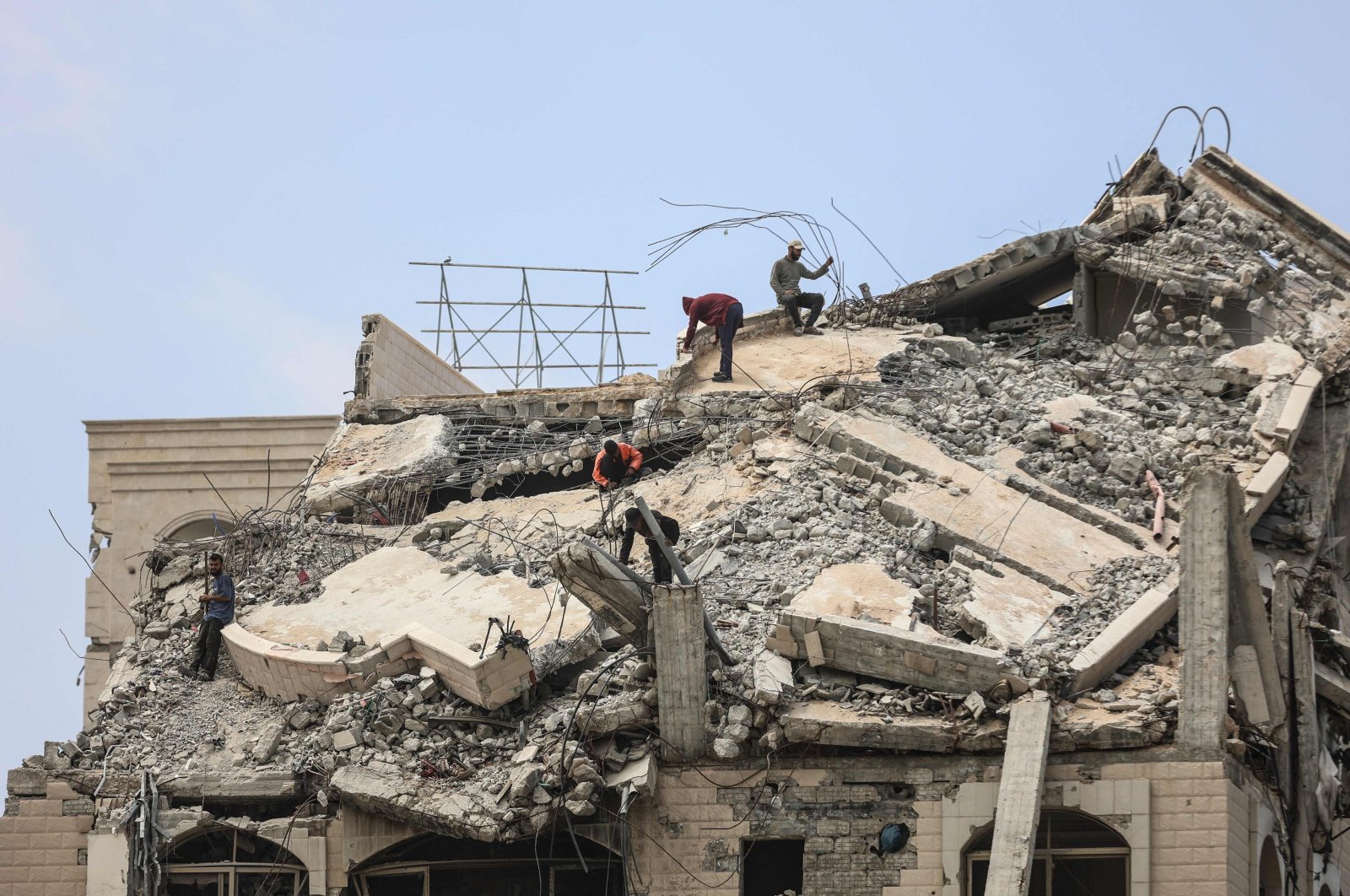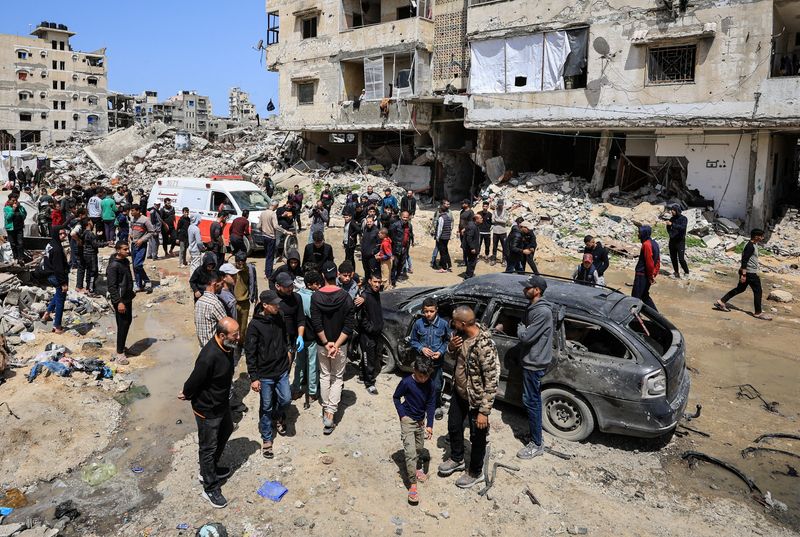

The potential involvement of DP World, a leading global logistics operator headquartered in Dubai, in the reconstruction of Gaza represents a significant, albeit nascent, shift in regional geopolitical strategy and carries substantial implications for the Middle East and North Africa. Recent reports indicate discussions between representatives of the Trump-led “Board of Peace” and DP World regarding the management of supply chains and infrastructure projects within the besieged territory. This development underscores a growing recognition of the immense financial burden – estimated at approximately $70 billion by international institutions – associated with rebuilding Gaza following extensive devastation. The scale of the undertaking necessitates a coordinated, multi-faceted approach, and DP World’s expertise in port operations, warehousing, and security systems positions it as a potentially crucial partner.
From a sovereign capital perspective, this initiative could catalyze a new wave of investment into the region. While direct sovereign investment in Gaza remains politically sensitive, the prospect of a large-scale infrastructure project, potentially involving a new port or free-trade zone as suggested by the discussions, could attract interest from Gulf state funds and other regional investors. Furthermore, the involvement of venture capital firms focused on logistics and technology – particularly those with established operations in the UAE – could accelerate the development of digital infrastructure vital for efficient supply chain management within Gaza. The success of this endeavor will hinge on establishing a stable and secure operating environment, a challenge given the ongoing political complexities.
The infrastructure implications are particularly noteworthy. Beyond the proposed port, DP World’s involvement could encompass the development of advanced tracking systems and warehousing facilities, critical for ensuring the effective delivery of humanitarian aid and reconstruction materials. This would necessitate significant upgrades to existing regional logistics networks and potentially require investment in new transportation corridors. Moreover, the feasibility of a coastal port in Egypt, or a Gaza-based alternative, will depend heavily on navigating complex border regulations and security considerations. The project’s success will be intrinsically linked to the broader regional effort to improve connectivity and trade facilitation across the MENA region.
Ultimately, the extent to which DP World’s participation translates into tangible progress within Gaza remains uncertain. However, the discussions themselves represent a pivotal moment, signaling a potential shift towards a more pragmatic, business-oriented approach to conflict resolution and reconstruction. The success of this initiative will be contingent on a sustained commitment from all stakeholders – including the Israeli government, the Palestinian Authority, and international donors – alongside the effective implementation of a robust governance framework. Continued monitoring of this evolving situation is crucial for assessing its long-term impact on regional stability and economic development.