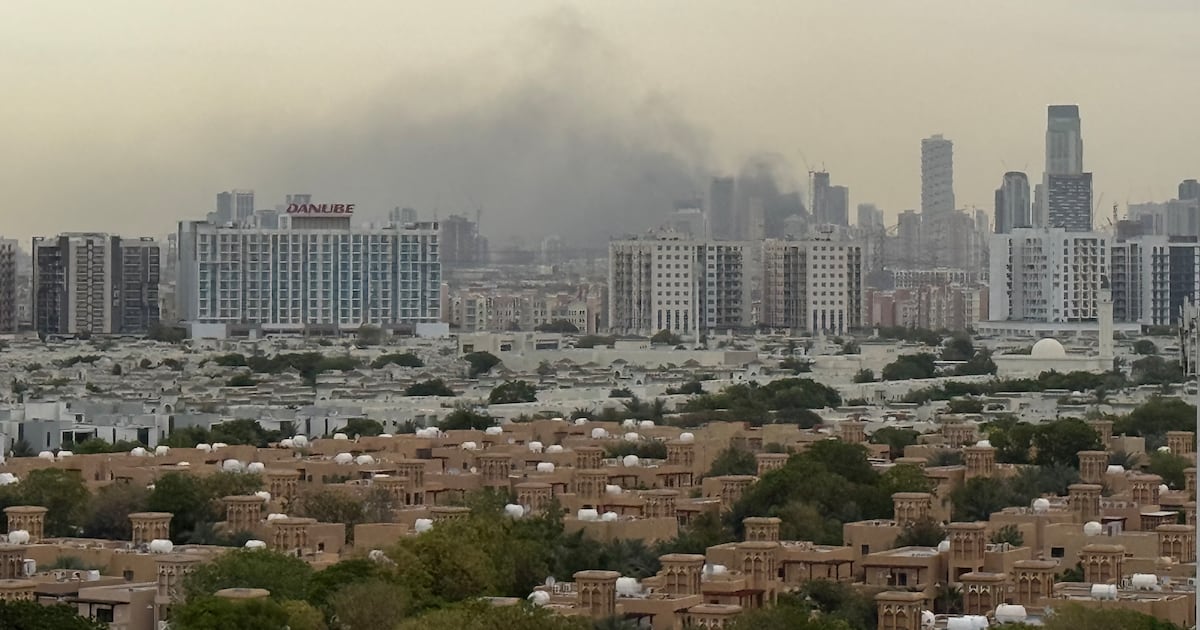

The containment of the Jumeirah Village Circle fire within minutes underscores Dubai’s formidable operational resilience, a critical factor attracting sovereign wealth capital across the Gulf Cooperation Council (GCC). Such swift mitigation capabilities are not merely fire prevention protocols; they represent a sophisticated infrastructure framework that safeguards multi-billion dollar development portfolios, particularly high-value constructions funded by entities like Abu Dhabi Investment Authority or Saudi Public Investment Fund. This incident reinforces the emirate’s reputation as a managed risk environment, signaling to institutional investors that large-scale assets benefit from superior emergency response systems embedded within its built environment.
For venture capital flowing into the MENA region’s burgeoning tech and industrial sectors, the efficient emergency response reflects the maturity of regional infrastructure beyond just soft services. It demonstrates that operational safeguards are integral to the value proposition, directly impacting risk assessments for startups and growth-stage companies reliant on physical assets. This infrastructure maturity, combining digital command centers with rapid deployment teams, reduces operational volatility and enhances the attractiveness of hubs like Dubai for VC-backed ventures requiring secure, scalable environments, thereby catalyzing further diversification of regional investment portfolios.
The broader regional implication lies in the validation of GCC strategies focused on transforming infrastructure assets into enduring pillars of economic diversification and long-term sovereign wealth generation. This event serves as tangible proof of concept that significant sovereign capital allocated to urban development yields tangible returns not just through construction, but through the creation of resilient, high-value ecosystems. Such resilience strengthens the case for accelerated infrastructure investment across MENA, solidifying the region’s capacity to attract and retain global capital beyond traditional energy sectors, while underpinning the ambitious visions outlined in national development plans like Saudi Vision 2030.