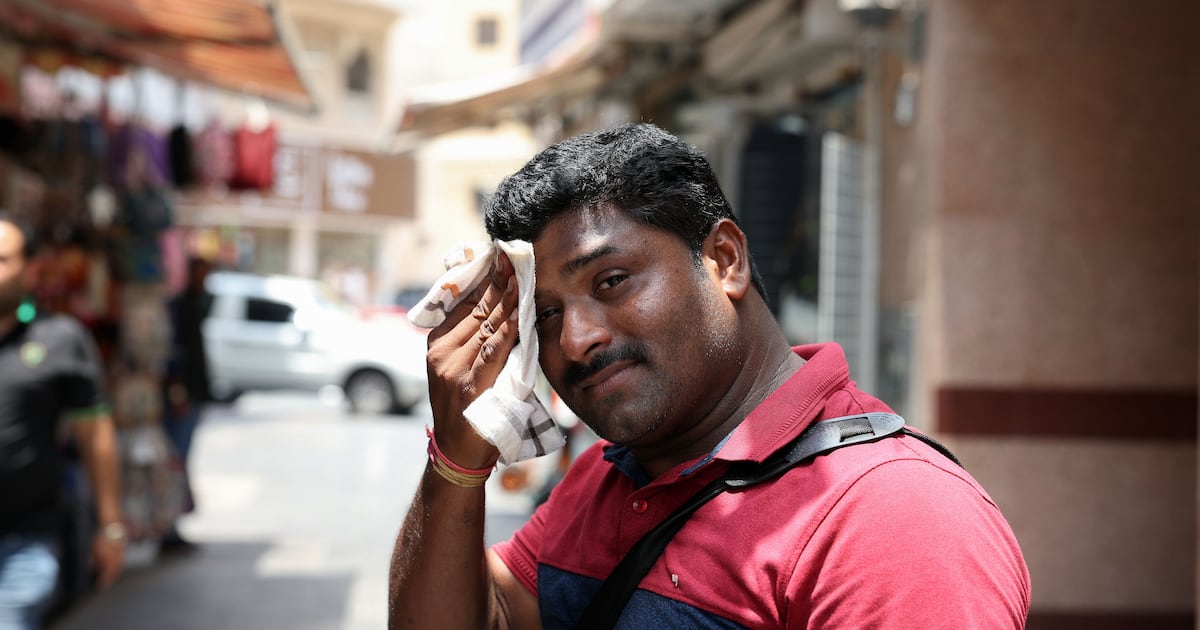

The escalating heatwave gripping the UAE, with temperatures projected to exceed 46ºC on the east coast by mid-week, poses acute operational and financial risks for businesses across the Gulf. Prolonged exposure to extreme temperatures disrupts labor-intensive sectors such as construction and logistics, where productivity declines sharply above 35ºC, per International Labour Organization benchmarks. Additionally, the convergence of high humidity (reaching 90% in coastal zones) and heat amplifies health risks for workers, exacerbating absenteeism and raising insurance liabilities. For energy-intensive industries, this weather pattern intensifies electricity demand for cooling systems, risking grid instability unless supplemented by diversified renewable energy capacity. Companies reliant on outdoor supply chains—particularly in retail and transportation—face amplified costs from delays and refrigeration challenges, compressing profit margins in an already inflation-sensitive environment.
Sovereign entities must urgently reassess capital allocations to mitigate climate-driven fiscal vulnerabilities. The U.A.E.’s status as a global energy hub could be tested by surging demand for desalination and air-conditioning, strains that may divert capital from long-term infrastructure projects. However, this crisis also presents an opportunity to accelerate investments in sovereign green bonds and public-private partnerships for heat-resilient urban planning. For instance, Dubai’s recent $2.7 billion allocation to decentralized solar microgrids exemplifies a proactive approach to reduce reliance on centralized cooling infrastructure. Meanwhile, Gulf Cooperation Council governments face mounting pressure to redirect foreign direct investment toward climate adaptation technologies, as investors increasingly factor environmental risk into capital headers.
Venture capital activity in the region may pivot toward thermal mitigation solutions, with startups developing advanced insulation materials, evaporative cooling systems, and AI-driven energy management tools gaining traction. The Abu Dhabi-based Masdar City’s reported acceleration in R&D funding for such technologies underscores a growing institutional focus on adaptive infrastructure. Notably, traditional oil-and-gas majors are diversifying portfolios into climate tech, as evidenced by Saudi Aramco’s $280 million investment in Boston Valley Recycling—a strategic move to hedge against energy transition risks. However, liquidity constraints in the VC sector, exacerbated by geopolitical volatility, may slow the scaling of localized solutions, necessitating cross-border collaborations to pool resources and share risk.
Regional infrastructure resilience hinges on reimagining urban design and grid management. The persistent fog patches causing visibility issues in coastal areas highlight gaps in drainage and air quality systems, which could trigger costly public health crises if unaddressed. Highways and ports in hotspots like Fujairah demand immediate upgrades to thermal-resistant materials and emergency cooling systems, as outlined in the World Bank’s 2023 MENA climate resilience report. Furthermore, the Middle East’s nascent hydrogen corridors must prioritize heat-tolerant equipment to avoid operational downtime during peak summers. Without systemic upgrades to water management and public transit cooling systems, sovereign and private entities risk facing cascading failures that could stall GDP growth and erode investor confidence in the region’s long-term stability.