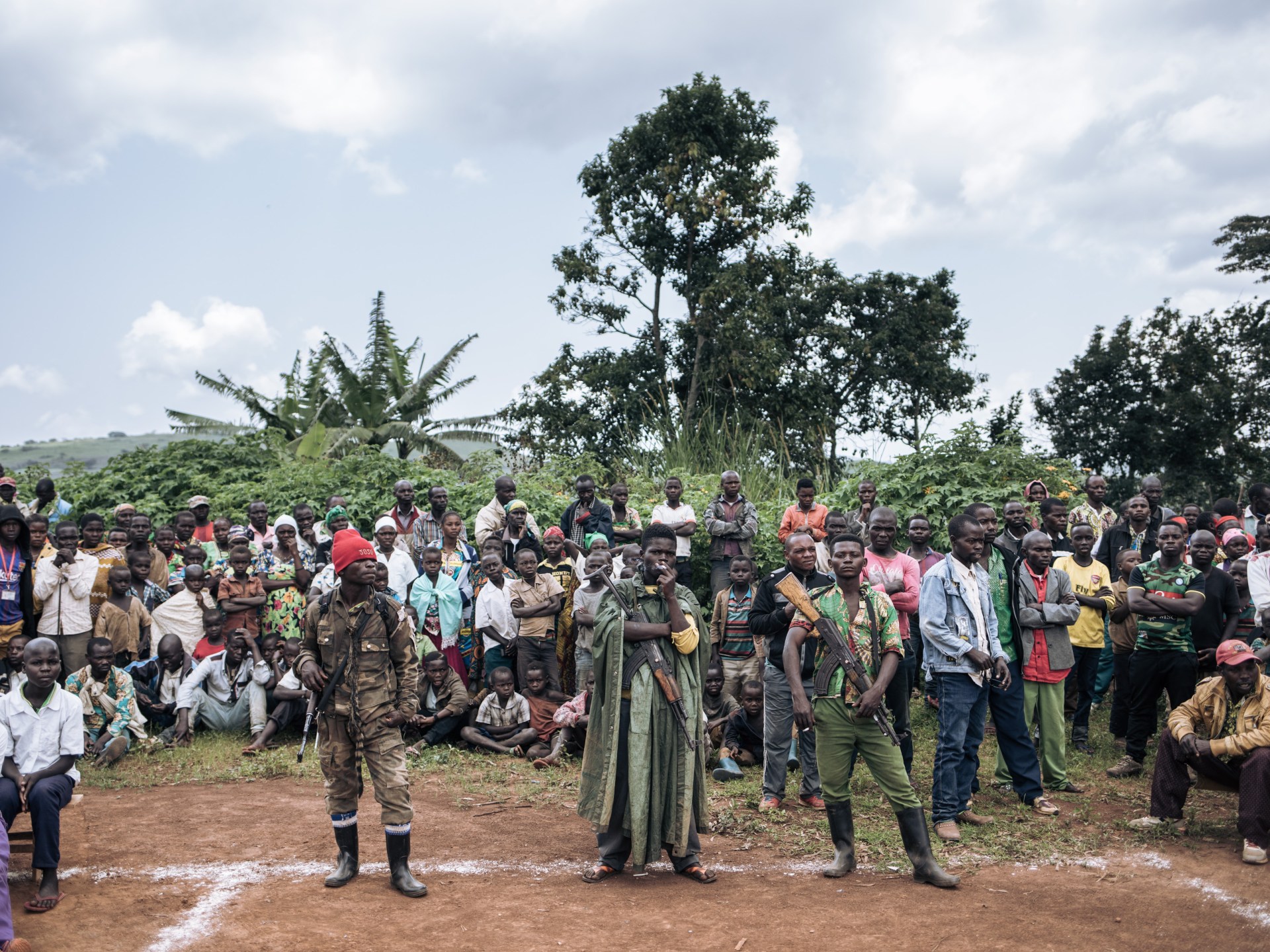

The recentdeadly assault in Ituriprovince, which claimed over 69 lives and disrupted mining operations in the DRC’s gold‑rich east, underscores a heightened security premium embedded in the region’s commodity outlook. For sovereign investors, the episode reinforces the volatility of mineral supply chains that feed critical inputs into global technology and renewable‑energy sectors, compelling a reassessment of exposure to Congolese assets within diversified portfolios.
MENA sovereign wealth funds, notably the Saudi Public Investment Fund and Abu Dhabi’s ADQ, have begun recalibrating allocations toward mining equities and related infrastructure projects. The attack elevates risk‑adjusted returns for alternative financing structures, prompting a shift toward hedged instruments and greater due‑diligence scrutiny of joint‑venture partners operating in politically fragile jurisdictions.
Venture capital firms specializing in security‑tech, logistics analytics, and miner‑automation are witnessing renewed interest as corporations seek to mitigate supply‑chain disruptions. Start‑ups offering satellite‑based monitoring, AI‑driven threat detection, and modular transport solutions are attracting Series A to Series B funding rounds, with a clear pivot toward solutions that can be deployed across the broader African mining belt.
From an infrastructure perspective, the instability in eastern DRC accelerates the strategic importance of regional connectivity corridors linking the Great Lakes to the Indian Ocean. MENA‑backed transport and energy initiatives—such as the East African Railway Expansion and associated power‑grid upgrades—are poised to benefit from increased public‑private financing, as investors look to diversify trade routes that bypass high‑risk zones while reinforcing resilience across the continent’s economic hinterland.