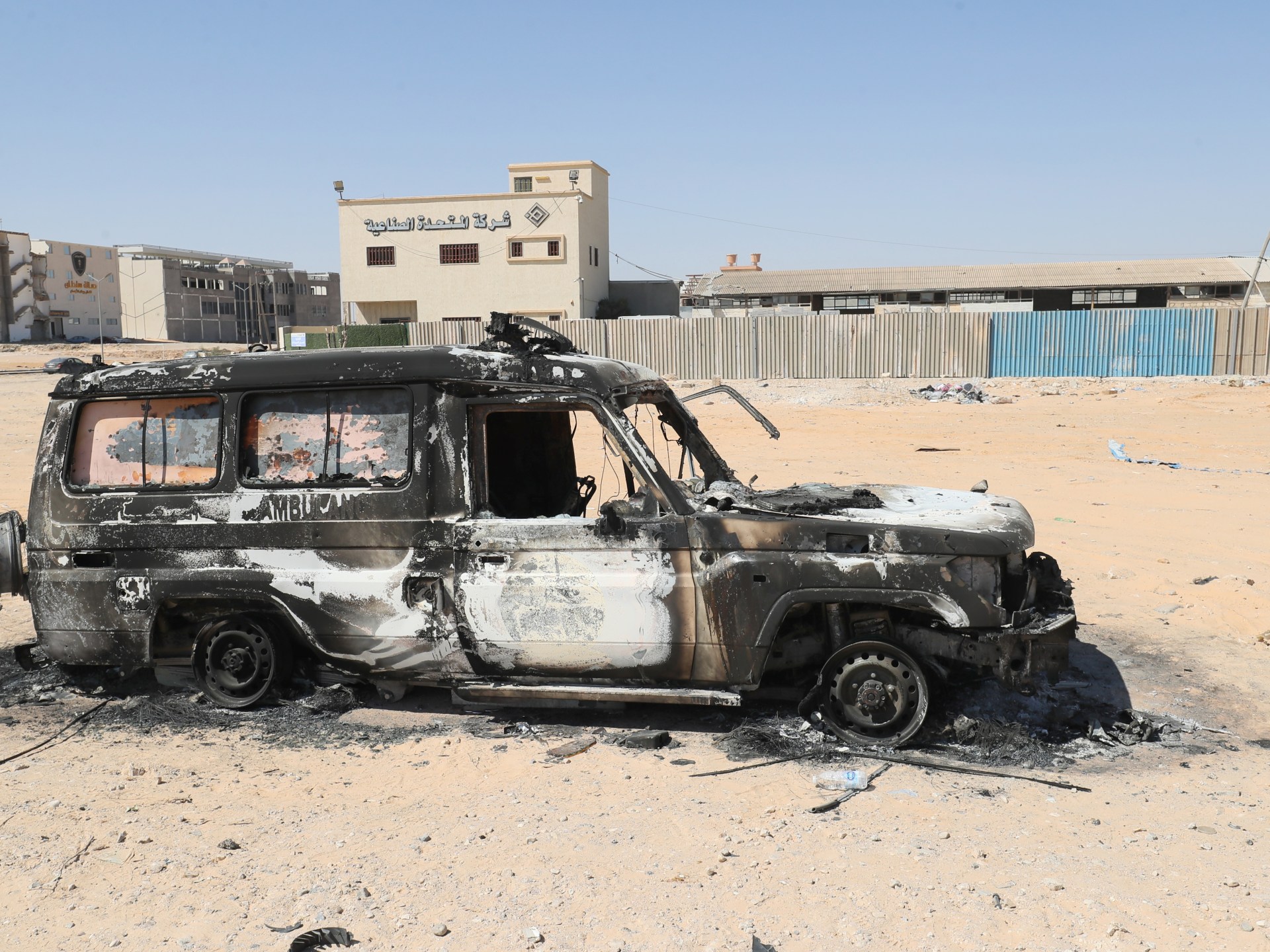

The Libyan energy sector remains in a state of heightened volatility, with the closure of one of its most critical refining assets reverberating across commercial, sovereign, and investment landscape. The recent operational suspension of Libya’s largest oil refinery, stemming from an extended conflict approximately twenty days ago, has sent shockwaves through regional markets and underscored the fragility of the production infrastructure in the MENA region. These disruptions have immediate implications for sovereign capital flows, as geopolitical uncertainty intensifies amid ongoing instability in North Africa, where asset listings and trading volumes are poised to contract unless a swift resolution emerges.
The impact on sovereign capital has been palpable; institutional investors in the energy space have revised risk assessments, with many recalibrating portfolios in response to the specter of prolonged supply interruptions. Foreign direct investment in the energy sector across the Gulf and the broader Middle East has moderated slightly, as higher risk premiums follow from the recent refinery crisis. Furthermore, sovereign wealth funds, particularly those seeking to bolster their reserves, are now scrutinizing the viability of long-term commitments to unreliable regional assets, a shifting calculus in an ecosystem where infrastructure reliability is a non-negotiable commodity.
Venture capital and private equity firms, historically drawn to the region’s hydrocarbon wealth, have also tempered enthusiasm, interpreting the prolonged outages as a signal of structural challenges rather than temporary setbacks. The ripple effects are evident in project pipelines and financing agreements, where delays could inflate costs and erode investor confidence. Regional infrastructure development initiatives, particularly those supported by Dubai and Abu Dhabi, are under renewed pressure to accelerate resilience-building measures—especially considering the increasing threat of logistics nationalism and the need for revised transit routes across maritime chokepoints in Mi’at and Baku.
In summary, the Libya refinery shutdown is emblematic of broader trends shaping the Middle East and North Africa: an overburdened energy infrastructure amplifying market fragility, pushing sovereigns to reassess their energy holdings, and igniting cautious optimism among capital allocators searching for stability in an increasingly volatile landscape.