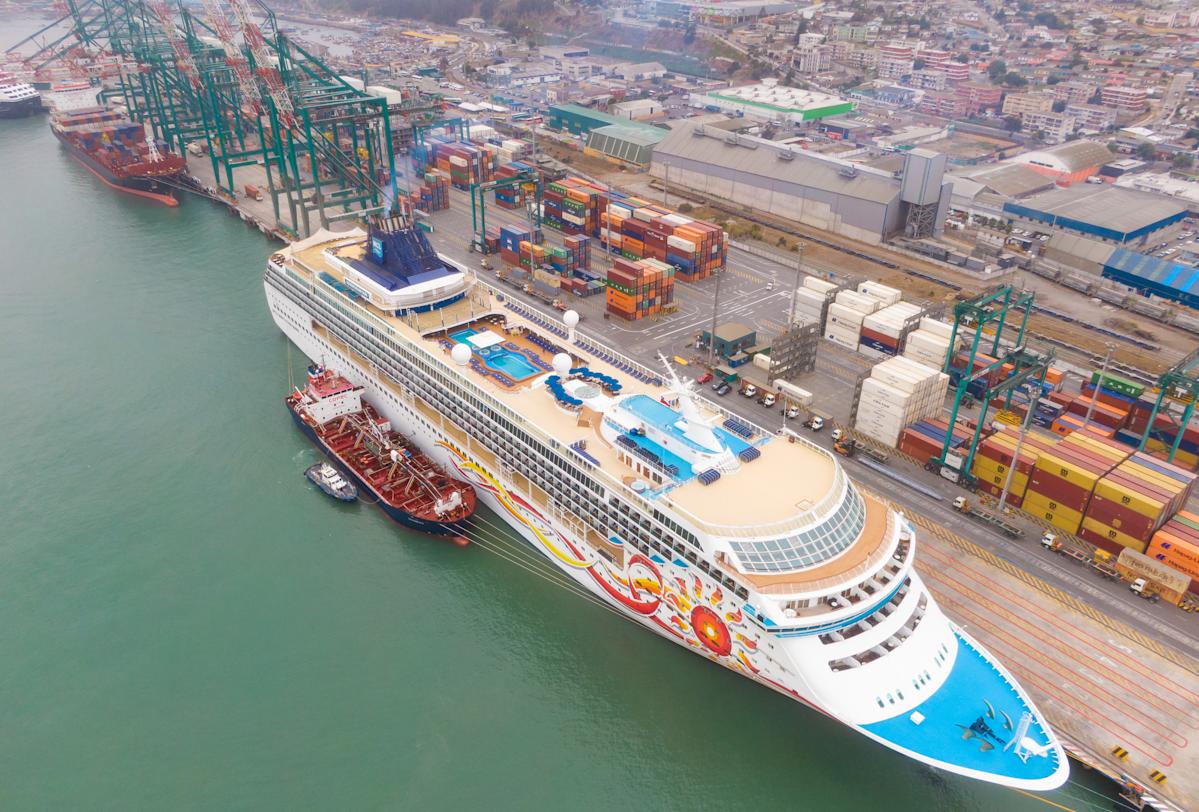

DP World’s San Antonio terminal closed the 2025‑26 cruise season having processed over 58,000 passengers on 14 ship calls, bringing the cumulative total to 491,000 visitors since 2017. For regional investors, the numbers underscore a replicable model for port‑led tourism corridors that can be leveraged across the Middle East and North Africa. Sovereign wealth funds in Saudi Arabia, Qatar and the UAE have earmarked billions for cruise‑centric infrastructure, viewing ports as multi‑modal hubs that feed both hospitality and logistics pipelines. The Chilean experience validates the fiscal multiplier of such projects: tourism contributes US$9.3 billion directly to GDP and sustains 1 million jobs, a scale of impact that MENA policymakers are now targeting through integrated cruise‑terminal‑airport‑free‑zone complexes.
DP World’s ongoing investment in digital berth management, automated passenger processing and hinterland connectivity illustrates the technology stack that venture capital is racing to supply. Start‑ups in the MENA fintech and maritime‑tech ecosystems are already courting DP World’s global network for pilots, while sovereign‑backed incubators in Morocco and Bahrain are positioning themselves as test‑beds for AI‑driven crowd analytics and blockchain‑based ticketing. The convergence of venture funding with state‑driven capital is set to accelerate the rollout of “smart ports” across the Gulf, where the same digital platform that handles a cruise ship’s turn‑round can be repurposed for container throughput, thereby magnifying asset utilization and return on investment.
The San Antonio milestone also highlights the strategic imperative of resilient infrastructure. DP World’s dual‑use terminal—supporting both cruise vessels and container operations—offers a template for MENA ports seeking to diversify revenue streams and mitigate demand shocks. Regional authorities are already allocating sovereign capital to expand berth depth, shore power, and hinterland rail links, recognizing that such upgrades are prerequisites for attracting ultra‑large cruise ships and high‑value logistics contracts alike. The Chilean example demonstrates that coordinated public‑private partnerships can unlock additional fiscal yields without overburdening state budgets.
In sum, the San Antonio cruise success story provides a blueprint for MENA economies to fuse tourism, logistics and technology under a unified sovereign‑backed investment strategy. By channeling venture capital into port‑digitalization and scaling infrastructure through public‑private consortia, the region can replicate Chile’s growth trajectory, turning its ports into engines of diversified economic development and long‑term value creation.