
The United Arab Emirates’ formal exit from OPEC represents a watershed moment in the Middle East’s energy transition, carrying profound implications for regional capital allocation and sovereign investment strategies. With Abu Dhabi’s state-owned entities controlling over $1.5 trillion in sovereign capital through entities like Mubadala and ADQ, the decision to abandon collective production quotas reflects a strategic pivot toward maximizing hydrocarbon revenues while the market window remains favorable. This move fundamentally alters the regional investment calculus, as Gulf sovereign wealth funds increasingly prioritize direct exposure to energy price volatility over cartel-mediated stability. The timing, strategically coinciding with Strait of Hormuz tensions, suggests a calculated effort to minimize immediate market disruption while positioning the UAE’s 4.8-million-barrel-per-day capacity for unconstrained monetization ahead of the 2030 energy transition timeline.
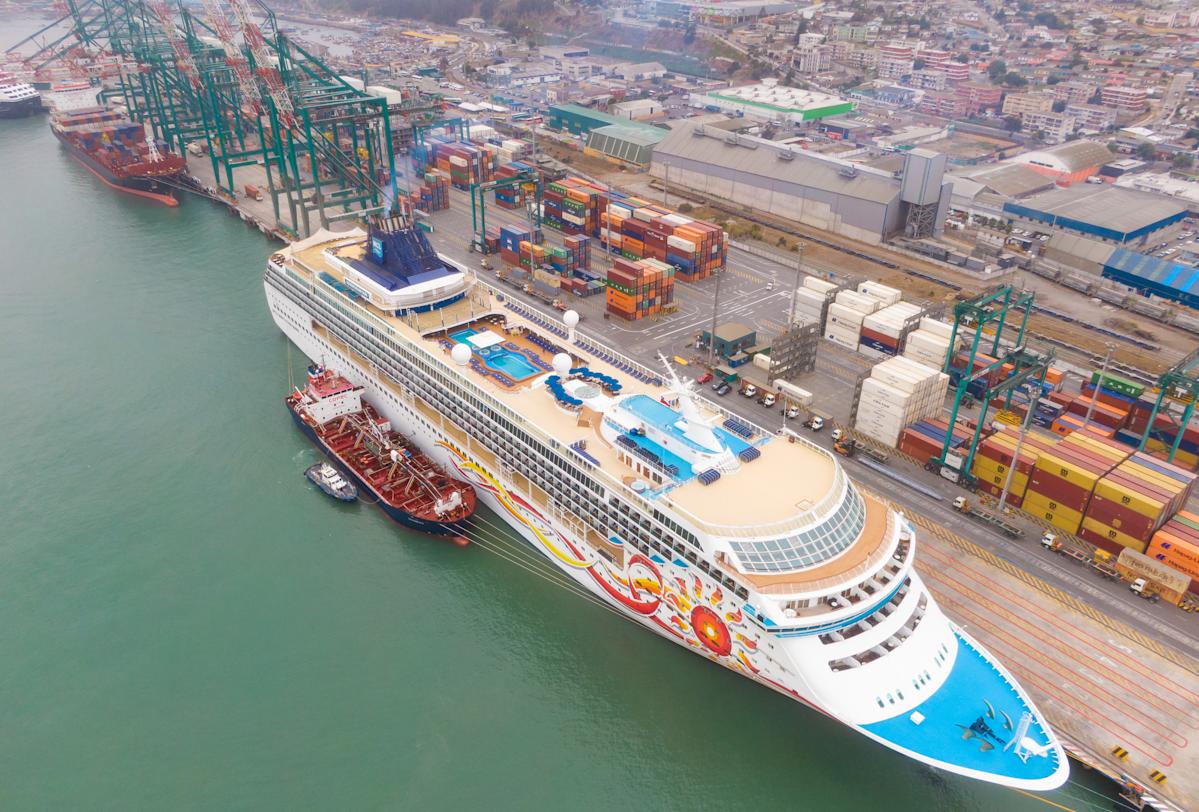
The departure crystallizes a broader reconfiguration of MENA’s energy infrastructure landscape, where pipeline networks and export terminals now assume greater strategic premium than multilateral coordination mechanisms. ADNOC’s $100 billion expansion program, targeting 5 million barrels daily by 2027, operates independently of traditional quota constraints, potentially adding 1.2 million barrels of previously restricted supply to global markets annually. This capacity increase—equivalent to roughly 25% of total OPEC+ constrained volumes—represents a significant supply-side shock that venture capital-backed energy trading platforms and regional commodity exchanges are already positioning to exploit. The emergence of the Habshan-Fujairah pipeline as a critical non-Hormuz route underscores infrastructure’s elevated role in sovereign energy security calculations, attracting billions in private capital toward transportation and storage assets.
Saudi Arabia’s continued centrality within a weakened OPEC framework creates a power vacuum that regional fintech and infrastructure investors are rapidly filling. The kingdom’s Vision 2030 mega-projects, backed by $500 billion in projected sovereign investment, now face competition from UAE capital deployment strategies emphasizing energy sector liquidity and international partnerships. This fragmentation accelerates the MENA region’s evolution from a monolithic oil bloc toward a multipolar energy landscape where state capacity, rather than cartel discipline, determines market influence. Venture capital flows into energy-tech startups across Dubai and Abu Dhabi have surged 340% year-over-year, reflecting investor confidence in the UAE’s post-OPEC commercial strategy and its alignment with Western capital markets.
The long-term implications extend beyond immediate pricing dynamics to reshape sovereign capital deployment patterns across the broader MENA region. As OPEC’s share of global oil supply declines from one-third to approximately 28%, Gulf states face pressure to diversify revenue streams while hydrocarbon profits remain substantial. This paradox drives unprecedented sovereign capital reallocation toward technology infrastructure, renewable energy projects, and regional digital economy initiatives. The UAE’s strategic alignment with U.S. energy markets positions it advantageously for LNG partnerships and hydrogen export corridors, potentially channeling hundreds of billions in future energy transition investments through Abu Dhabi’s financial architecture. The dissolution of OPEC-centered governance accelerates MENA’s integration into global energy finance networks, where market-driven pricing supersedes political coordination.