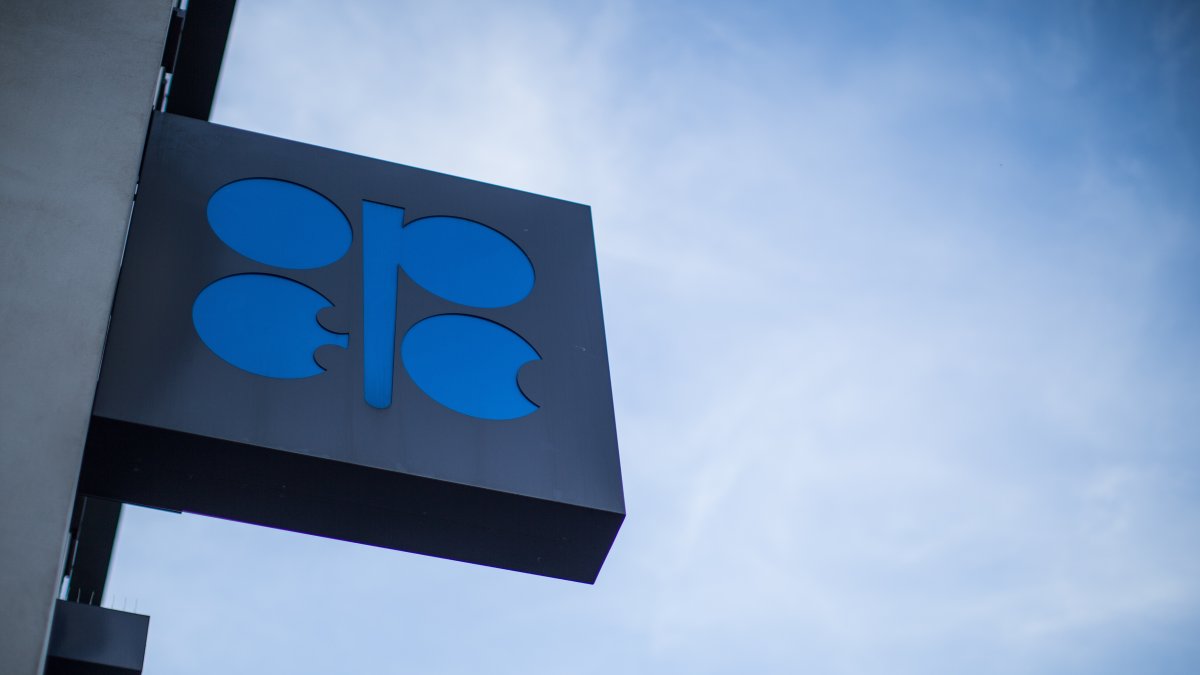

The UAE’s withdrawal from OPEC+ represents a pivotal recalibration of its energy strategy, liberating Adnoc from the production constraints that have systematically constrained the emirate’s upstream ambitions. Having expanded production capacity from approximately 3 million barrels per day a decade ago to an advertised 4.85 million barrels daily, the UAE was effectively capped at 3.429 million barrels under its April OPEC+ allocation—a restriction that became increasingly untenable as Abu Dhabi’s diversification objectives evolved beyond collective quota compliance toward maximizing hydrocarbon recovery and downstream value capture.
This strategic maneuver carries profound implications for sovereign capital deployment across the MENA region, as the UAE redirects substantial resources toward enhanced oil recovery technologies and mega-project investments that were previously subordinated to OPEC+ coordination. The decision signals a broader reorientation of Gulf sovereign wealth funds toward direct energy sector participation, potentially catalyzing cross-border infrastructure financing deals that bypass traditional multilateral frameworks. With approximately 1.4 million barrels of daily spare capacity now available for deployment—before accounting for operational disruptions—the emirate can accelerate its transition toward energy transition themes while maintaining hydrocarbon dominance.
The business implications extend far beyond immediate production flexibility, fundamentally reshaping regional venture capital flows and infrastructure development patterns throughout the Persian Gulf. Adnoc’s expanded operational autonomy positions it to compete more aggressively for international upstream partnerships, potentially redirecting billions in foreign direct investment that might otherwise flow to less strategically positioned Gulf operators. This shift also intensifies competition among regional sovereign wealth funds for stakes in global energy transition technologies, as the UAE simultaneously advances its clean energy portfolio while maximizing conventional hydrocarbon value.
From a regional infrastructure perspective, the UAE’s OPEC+ exit establishes a new paradigm for energy sector capital allocation that could influence neighboring states’ own strategic positioning. The decision underscores mounting tensions between collective cartel management and individual national interests, particularly as global energy security concerns intensify amid geopolitical volatility in the Strait of Hormuz region. This realignment may accelerate the formation of alternative energy partnerships across the MENA region, fostering bilateral infrastructure agreements that prioritize commercial optimization over multilateral coordination.