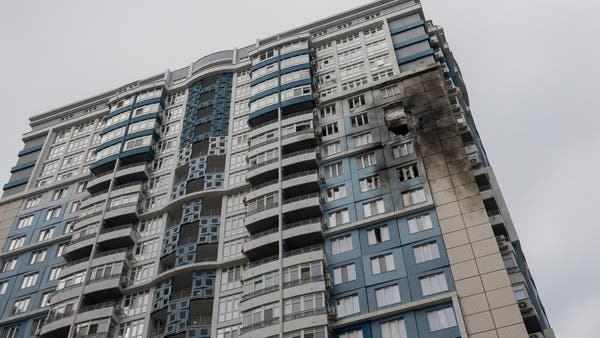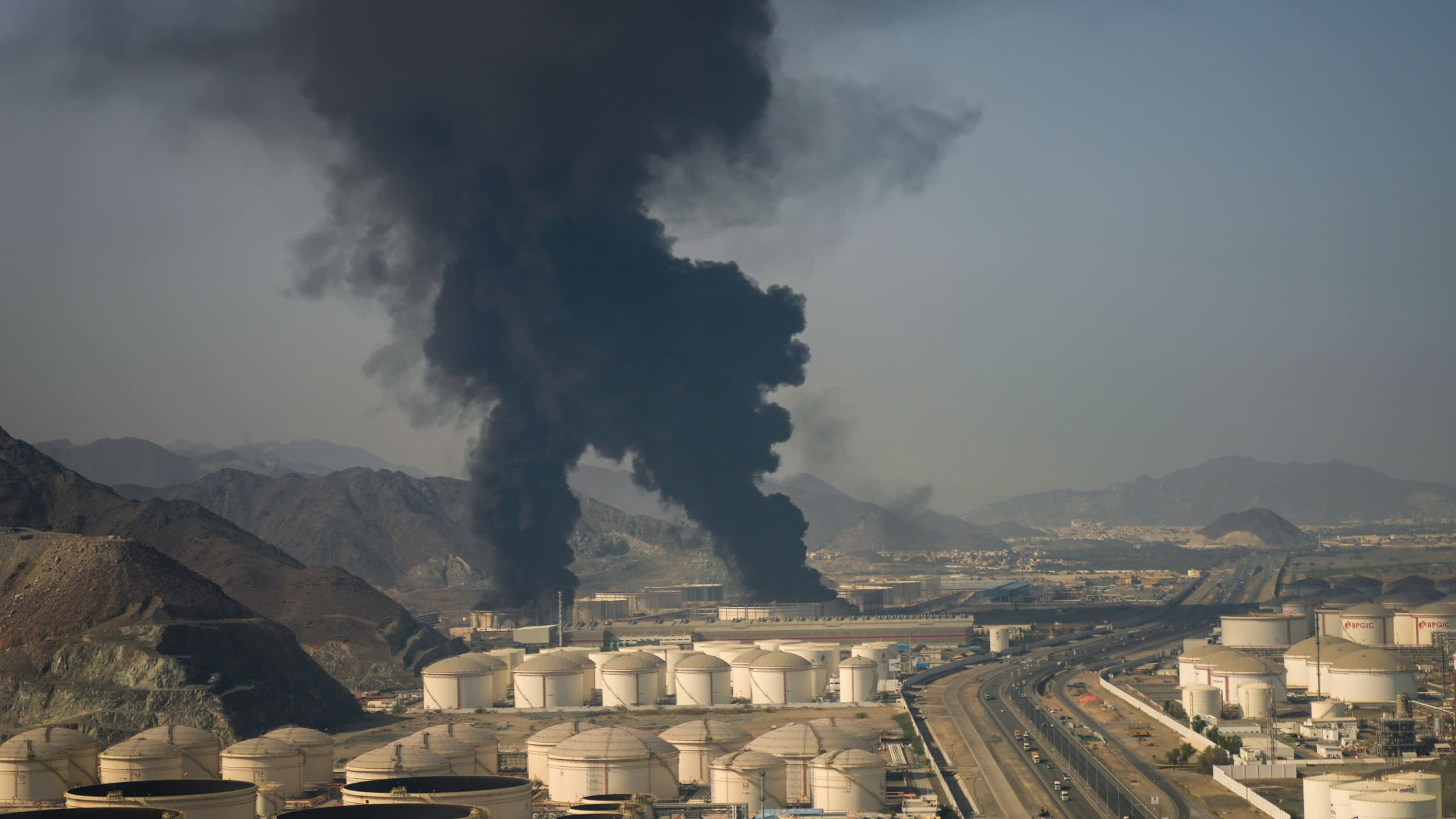

The recent strikes on critical energy infrastructure across the Middle East underscore a rapidly escalating risk landscape for sovereign capital allocation and foreign direct investment in the region. Damage to oil, gas, and associated logistics hubs threatens to degrade operational baselines for state-owned enterprises and their strategic partners, forcing a recalibration of capital deployment strategies. Such disruptions can accelerate sovereign wealth fund diversification into defensive sectors while simultaneously deterring venture capital participation in energy-adjacent tech ventures, particularly in the Gulf Cooperation Council (GCC), where next-generation infrastructure innovation has been a key growth vector. Investors are monitoring repair timelines as a proxy for governance resilience, with extended disruptions likely to compress valuations and deter opportunistic entrant syndication.
The immediate operational toll on hydrocarbon flows may strain national budgets—especially in economies where energy exports remain the fiscal backbone—prompting emergency capital injections into replacement and hardening projects. Regional transport corridors, such as the UAE’s Fujairah pipeline and Saudi Arabia’s interconnect facilities, now enter a re-rating phase in which insurance premiums climb and investor confidence in uninterrupted supply chains erodes. This dynamic nudges sovereign players toward greater integration of redundancy and cybersecurity into infrastructure design, effectively expanding the scope of mega-cap infrastructure projects and inviting renewed investment from US and Asian state-linked capital vehicles focused on strategic resilience.
Over the medium term, the domino effects could reshape regional venture capital allocation, shifting emphasis from frontier digital energy platforms toward security and automation layers that enable continued operations under duress. Areas poised to attract funding include blockchain-based energy tracking, fail-safe control systems, and regional risk-adjusted growth indices for emerging MENA markets. The investment community will demand greater disclosure of contingency reserves and transparent post-incident operational recovery trajectories from sovereign entities to safeguard the flow of capital, amplifying the strategic imperative for both defensive expenditure and innovation in supply chain hardening. The net outcome is likely to be an accelerated but guarded approach to MENA energy infrastructure investment until clarity emerges on geopolitical risk thresholds and their fiscal price tag.