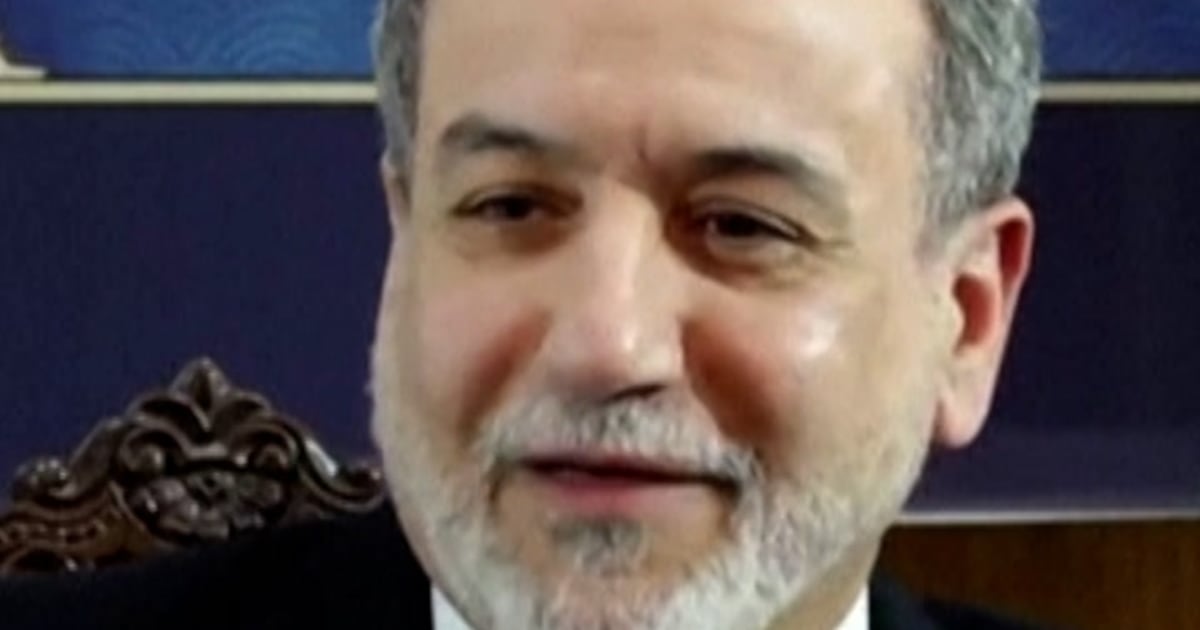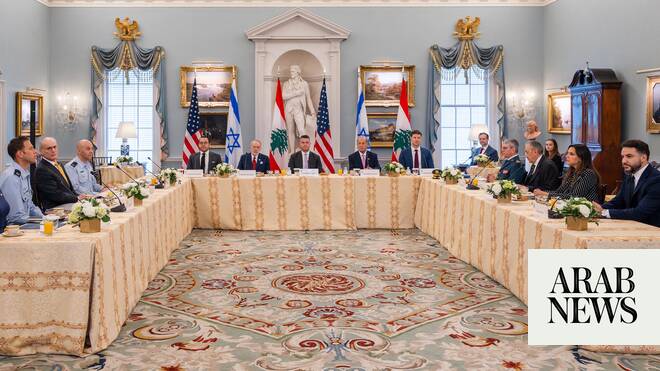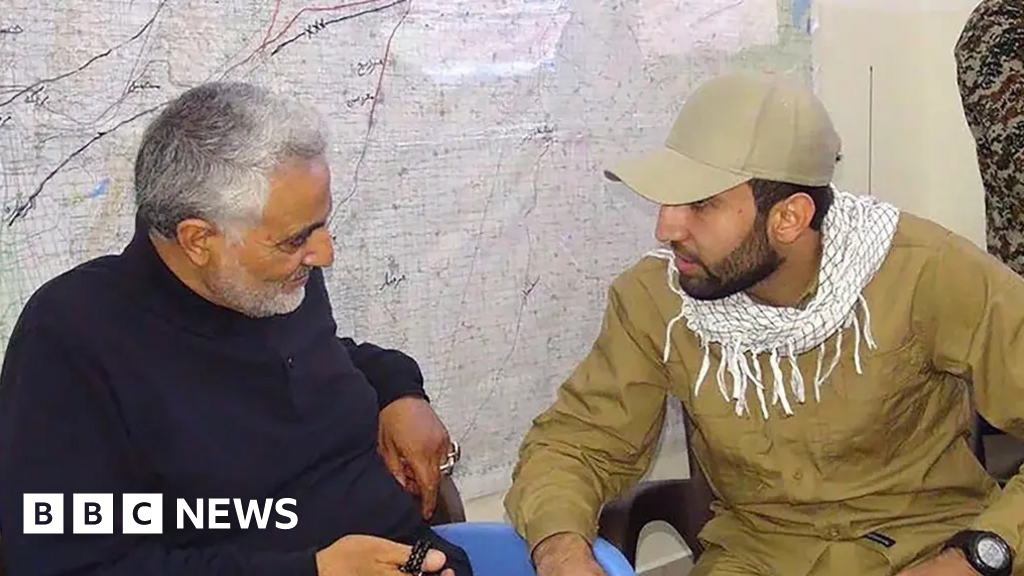

Recent intelligence reports indicate that MohammadBaqer Saad Dawood al‑Saadi is alleged to have orchestrated actions targeting U.S. and Israeli interests as a response to escalating tensions involving Iran. While the veracity of these claims remains subject to verification, the mere suggestion of such coordinated efforts underscores a volatile geopolitical environment that could reverberate across capital markets in the Middle East and North Africa.
The projected fallout threatens to strain sovereign wealth allocations, as regional custodians may reassess exposure to conflict‑prone assets. Investors are likely to channel additional capital toward risk‑mitigated instruments, such as sovereign‑backed sukuk or infrastructure‑linked bonds, thereby reshaping the risk‑return calculus for large‑scale fiscal programmes.
Venture capital ecosystems, particularly those focused on fintech, energy, and logistics, could experience heightened scrutiny, prompting a pivot toward more robust governance frameworks and compliance structures. This shift may deter speculative inflows but could also attract institutional partners seeking to align with regimes that demonstrate political stability and predictable policy trajectories.
From an infrastructure perspective, heightened security concerns may accelerate strategic investments in resilient supply‑chain networks, digital connectivity, and cross‑border logistics corridors. Governments and multilateral development agencies are expected to prioritize projects that not only bolster economic diversification but also embed fail‑safe mechanisms against geopolitical disruptions, thereby reinforcing the region’s long‑term economic resilience.