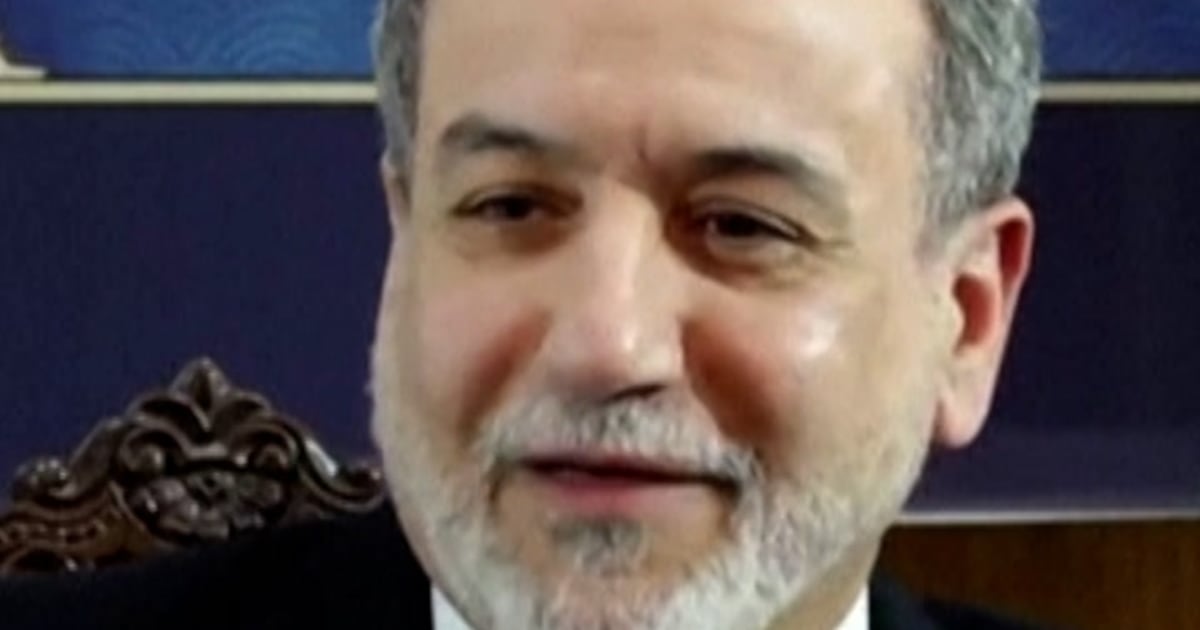

Iranian Foreign Minister Abbas Araghchi’s stark warning that Tehran “has no trust” in the United States underscores a widening geopolitical rift with direct consequences for sovereign financing and cross‑border investment in the MENA region. The remark arrives as Iran seeks to diversify its funding sources away from the US‑linked global financial system, accelerating a shift toward alternative corridors such as the Gulf Cooperation Council (GCC) sovereign wealth funds, Russian and Chinese state‑backed banks, and emerging Islamic finance structures. For Gulf investors, the signal is a double‑edged sword: while new opportunities may arise in Iran’s under‑capitalised energy, petro‑chemical and digital sectors, heightened political risk will demand stricter due‑diligence, higher risk premiums and robust guarantees from multilateral agencies.
Venture‑capital firms across the GCC and North Africa are already positioning themselves to capture the anticipated inflow of “sanction‑resilient” capital. Funds such as Saudi Arabia’s STV and Qatar’s Qatar Investment Authority have announced dedicated pools targeting fintech, clean‑energy and logistics startups that could serve as bridges between Iran and the rest of the region. This influx of venture money is likely to raise the overall VC density in the MENA ecosystem by an estimated 15‑20 % over the next 24 months, fostering a new wave of home‑grown unicorns and potentially reshaping the region’s innovation pipeline.
On the infrastructure front, the erosion of US‑Iran confidence is prompting both sovereign and private players to accelerate the development of alternative trade routes and digital corridors. Projects such as the Qatar‑Iran “Silk‑Route 2.0” digital payments platform, the UAE‑backed Gulf‑Iran railway feasibility study, and Iran’s expanding fiber‑optic network under the “National Broadband” programme are being fast‑tracked to mitigate the risk of future sanctions. These initiatives not only enhance logistical resilience but also create lucrative contracts for engineering, construction and technology firms operating out of the GCC and North Africa.
Overall, Araghchi’s statement is less a diplomatic footnote and more a catalyst for a re‑configuration of capital flows and infrastructural priorities across the Middle East. Investors with exposure to sovereign debt, venture capital and cross‑border infrastructure must now calibrate portfolio strategies to account for heightened political risk while capitalising on the emerging “trust‑deficit” market that could reshape the region’s growth trajectory for the coming decade.