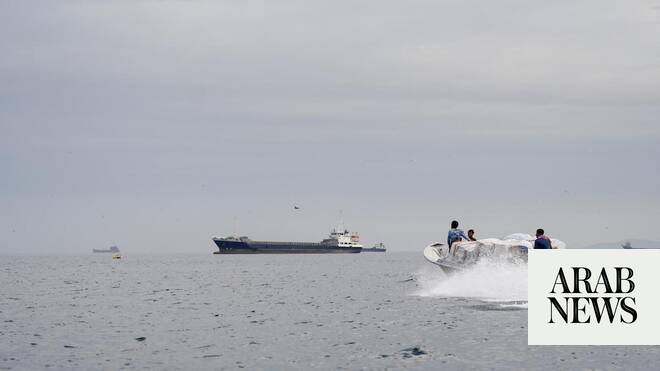

The ongoing closure of the Strait of Hormuz represents a severe threat to global energy security and MENA economic stability. With approximately 230 vessels laden with crude effectively stranded, supply chain disruptions are accelerating, tightening global markets and heightening price volatility. This geopolitical friction directly impacts sovereign capital flows across the region, particularly Gulf Cooperation Council (GCC) states reliant on hydrocarbon exports. National balance sheets face mounting pressure as production constraints and insurance premium surges erode revenues, compelling sovereign wealth funds to potentially divert capital from long-term strategic investments—including the diversification into non-oil sectors—towards immediate crisis management and infrastructure repair.
For venture capital and regional tech ecosystems, the situation introduces significant headwinds. Heightened risk aversion could stifle investment flows into promising MENA startups, particularly those in logistics, supply chain tech, and energy transition sectors dependent on stable regional trade corridors. The recent attacks on critical UAE infrastructure, notably ADNOC’s Habshan gas complex, underscore the acute vulnerability of regional energy logistics. This vulnerability necessitates accelerated investment in hardened infrastructure, cybersecurity for industrial control systems, and redundant supply routes—diverting capital from innovation towards resilience and potentially dampening the region’s emergence as a tech hub.
ADNOC’s assertion of operational continuity despite significant damage signals a resilience but also highlights the immense costs of regional instability. Sovereign capital will inevitably be channelled into fortifying energy infrastructure and potentially expanding domestic refining capacity to reduce export dependency on the strait. The long-term implications extend beyond immediate financial impacts, potentially derailing ambitious regional diversification plans and altering investment patterns within the MENA venture capital landscape. The imperative for de-escalation is therefore not merely a political necessity but a fundamental prerequisite for regional economic coherence and sustainable growth in a post-strait-closure reality.