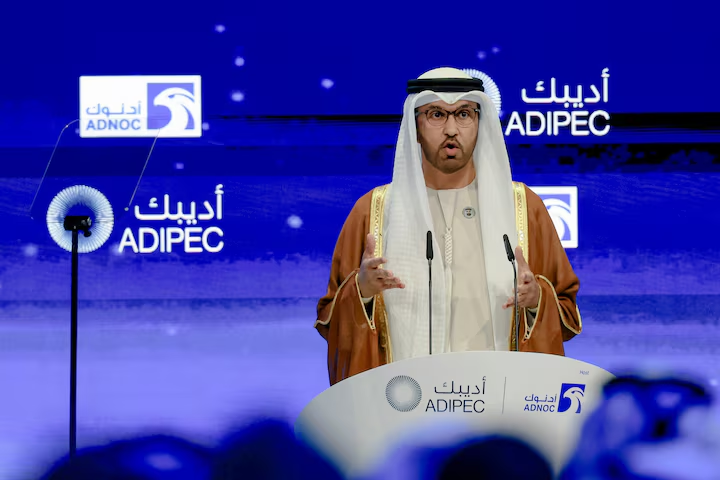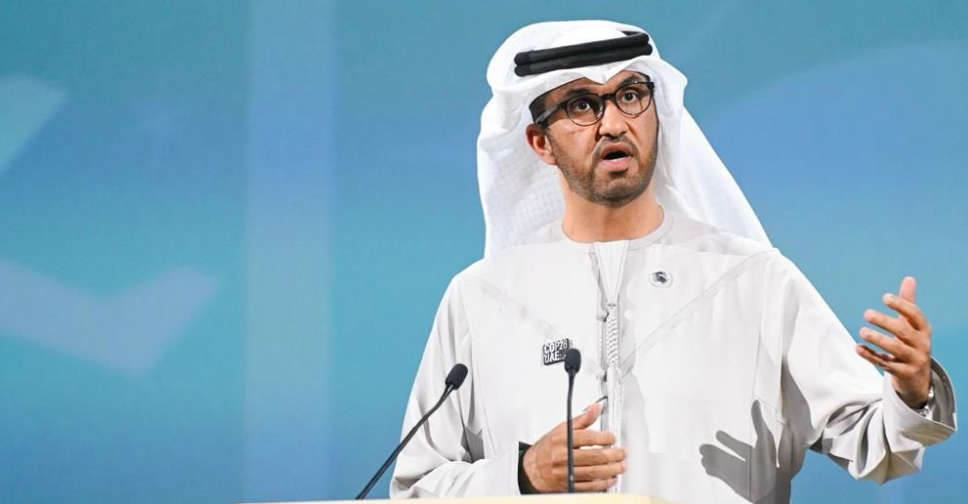

The recent escalation of tensions in the Strait of Hormuz, and the attendant restrictions on maritime traffic, represent a significant and escalating threat to regional and global economic stability, particularly impacting the Middle East and North Africa (MENA) region. Dr. Sultan Al Jaber’s public statement highlighting the obstruction of this vital waterway underscores the severity of the situation, moving beyond mere geopolitical posturing to a demonstrable disruption of energy supply chains. The implications extend far beyond the immediate energy sector, threatening broader industrial activity and consumer price inflation across the globe, with MENA economies, heavily reliant on hydrocarbon exports, facing disproportionate headwinds.
The strategic importance of the Strait of Hormuz necessitates a nuanced assessment of the involved parties and their respective financial postures. Iran’s assertion of control over passage through the strait, coupled with recent attacks on UAE energy infrastructure, directly challenges established international maritime law and risks triggering further escalation. This situation places significant pressure on sovereign wealth funds (SWFs) across the region, particularly those with substantial investments in energy-related assets. Furthermore, the disruption is already impacting venture capital (VC) activity, as investor confidence wanes and the perceived risk premium for MENA-focused funds increases. The UAE, in particular, will need to leverage its substantial sovereign capital reserves to mitigate the economic fallout and bolster its energy production capacity, as evidenced by ADNOC’s commitment to expanded output despite recent damage.
Beyond the immediate crisis, the events highlight the critical need for enhanced regional infrastructure resilience. The vulnerability of the Strait of Hormuz underscores the imperative for diversifying energy export routes and developing alternative transportation corridors. Investments in pipelines, rail networks, and potentially even alternative maritime routes through Oman or Saudi Arabia are now paramount. This will require substantial capital expenditure, potentially drawing in both sovereign and private investment, and will necessitate greater regional cooperation. The development of these alternative infrastructure projects will not only mitigate future disruptions but also contribute to the long-term economic diversification goals of many MENA nations, reducing their reliance on a single chokepoint for global energy flows.
Ultimately, a resolution to the current crisis requires a concerted diplomatic effort to de-escalate tensions and reaffirm the principles of freedom of navigation as enshrined in the UN Convention on the Law of the Sea. Failure to do so will not only exacerbate the immediate economic consequences but also undermine investor confidence in the MENA region, hindering its long-term growth prospects and potentially triggering a broader reassessment of geopolitical risk across global financial markets. The ongoing situation serves as a stark reminder of the fragility of global supply chains and the critical role of stable maritime trade routes in sustaining the world economy.