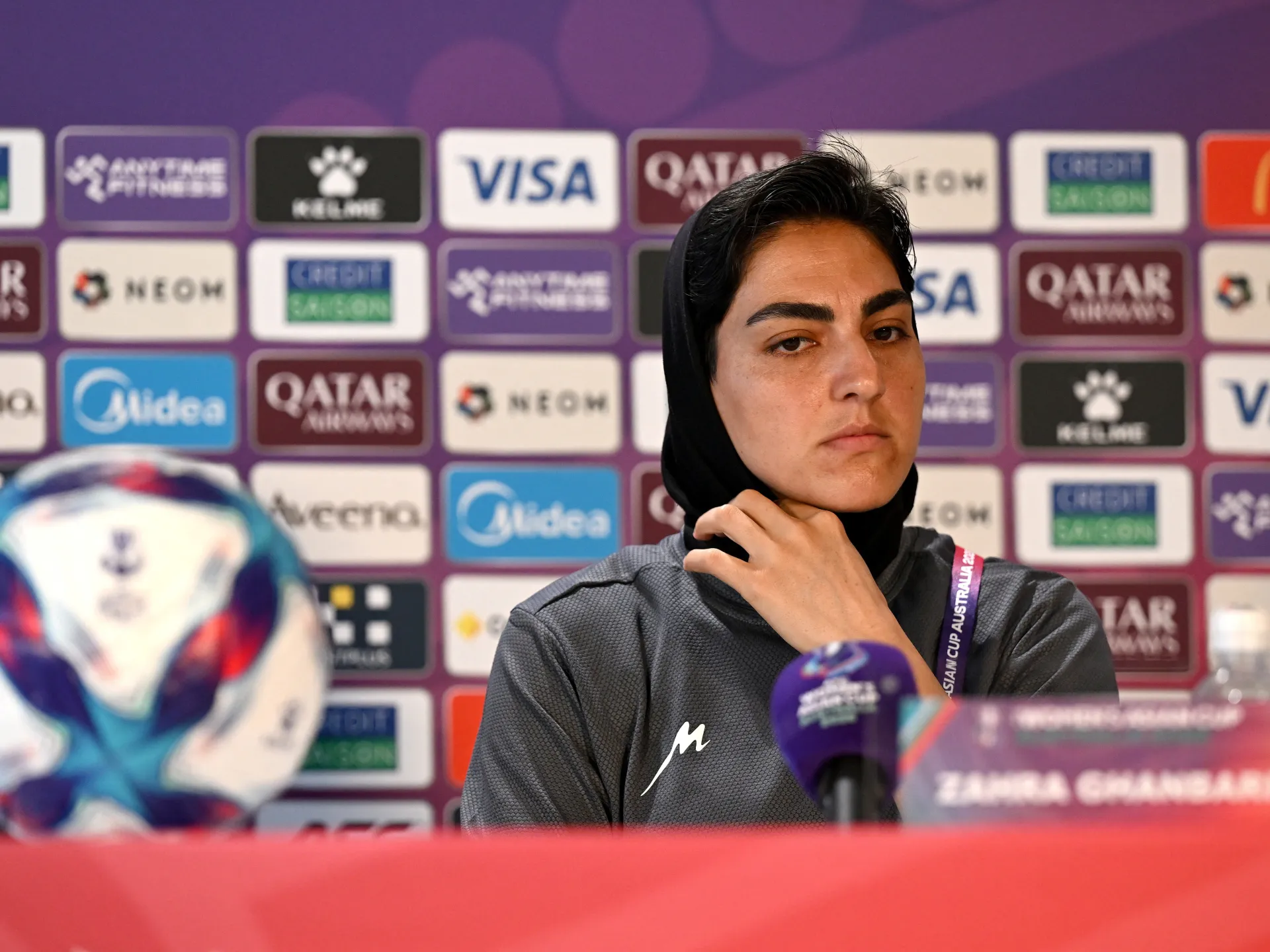

In a move that underscores the interplay between sovereign policy and regional capital flows, the Iranian judiciary has reversed a court order that had seized the assets of Zahra Ghanbari, captain of the national women’s football team. The decision, announced by the Mizan news agency, followed Ghanbari’s abrupt re‑acceptance of Iranian citizenship after a brief stint of asylum consideration in Australia. The reversal signals Tehran’s intent to consolidate control over high‑profile assets while projecting an image of stability to deter further defection, a concern that bears directly on investor sentiment in the region.
The episode arrives against a backdrop of escalating geopolitical tension and a fragile domestic economy that continues to rely heavily on state‑controlled enterprises. By restoring Ghanbari’s assets, the government removes a potential drag on sovereign capital that could have been earmarked for critical infrastructure projects—particularly those linked to the planned expansion of sports facilities, which are increasingly viewed as catalysts for urban regeneration and tourism development. The timing offers a tacit reassurance that the regime remains capable of managing capital mobilisation, a key consideration for multinational private‑equity investors monitoring the stability of MENA markets.
From a venture‑capital perspective, the incident serves as a cautionary tale for emerging‑market funds that have recently found niches in sectors such as e‑sports, sports‑tech, and wellness infrastructure. The swift volte‑voi of Ghanbari’s asylum claim reflects the heightened risk of political backlash that can abruptly alter the risk profile of high‑visibility talent, potentially undermining the expected returns on talent‑centric investment theses. VC firms that have been exploring joint‑venture models with local sponsors, particularly in Tehran’s nascent but increasingly sophisticated sports‑tech ecosystem, will likely recalibrate their due‑diligence frameworks to account for the probability of sudden asset freezes or political re‑percussions.
Regionally, the incident may prompt a reassessment of talent management protocols within state‑backed and privately funded sports franchises. The governments of Gulf Cooperation Council (GCC) states, which are actively courting international sports franchises to diversify sovereign wealth portfolios, may view Iran’s handling of Ghanbari’s assets as a signal to tighten contractual safeguards for foreign athletes. This shift could influence the flow of transnational talent across MENA, thereby shaping the competitive landscape for sports infrastructure development projects and the broader ecosystem of private‑sector partnership models in the region.